My Television PC was running Windows because still, so far as I know, there is no Blu-ray player available for Linux.
Then yesterday, I tried to fire up the Windows Blu-ray player software on the TV… And it won’t. It has decided that my Nvidia video card (or the drivers for same) aren’t compatable, so PFO.
That was literally the only reason not to go Linux on that machine. So how did I watch my Blu-ray? Grab the Linux laptop with MakeMKV installed on it and rip the movie to a Matroska file. (Legality of this may vary by region, but where I am, we are legally entitled to make backups of audio and video content that we have purchased.) So in the end, I needed a linux system to watch my Blu-ray movie.
I will say that for the usual video content coming off of my NAS, I liked the MPC-HC video player software better than VLC (though its definitely somewhat out of date) for its UI. It works more conveniently with my air mouse, but that’s ultimately a small thing. The Blu-ray playback was the big thing, but that isn’t really an issue. (Also, it’s been a long time since I tried, I don’t even know when the software stopped working.)
I do have a couple of games installed on the TV system, but haven’t used those in a while either. I guess I can archive a backup of it and will install Mint on it.
Aren’t there good Linux distros specifically designed for TV use? I know the steamOS (and bazzite and holoISO) are very good at TV interfaces, but focused on games. I would think mint isn’t the ideal choice. But it should be a good one.
I have been enjoying bluefin. So bazzite would be my first rec. It is hard to get off of the “yellow brick road” with it. That is good and bad for you. I’m curious to hear someone else’s opinion on it.
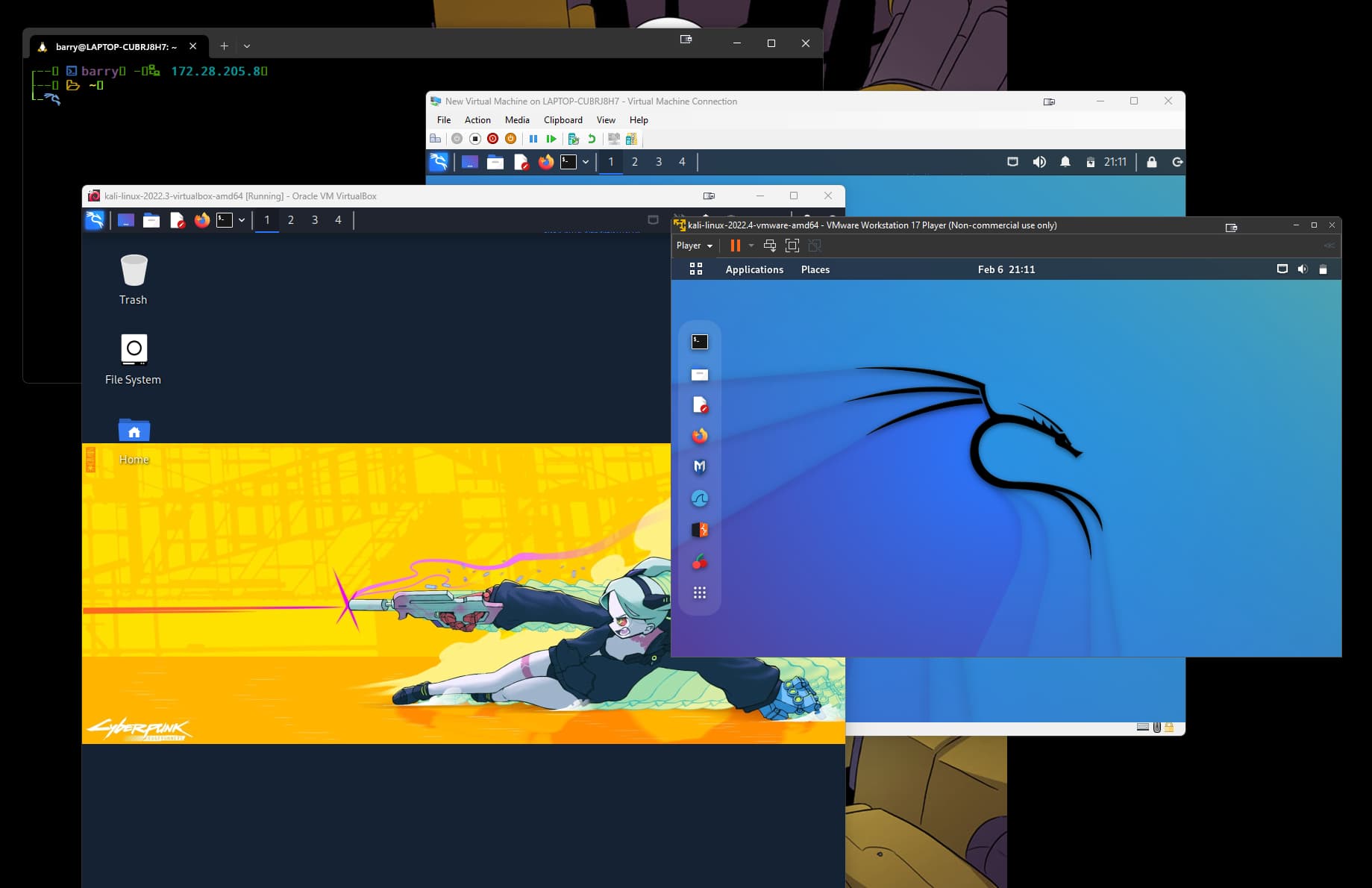
I’m very much a Windows guy but I’ve dabbled in linux. I remember running it off CDs and dual booting my PC. These days I run some Linux containers in Docker. I have WSL installed but haven’t messed with it. I’ve also run it in VMs. I mostly remember using Ubuntu but there have been others.
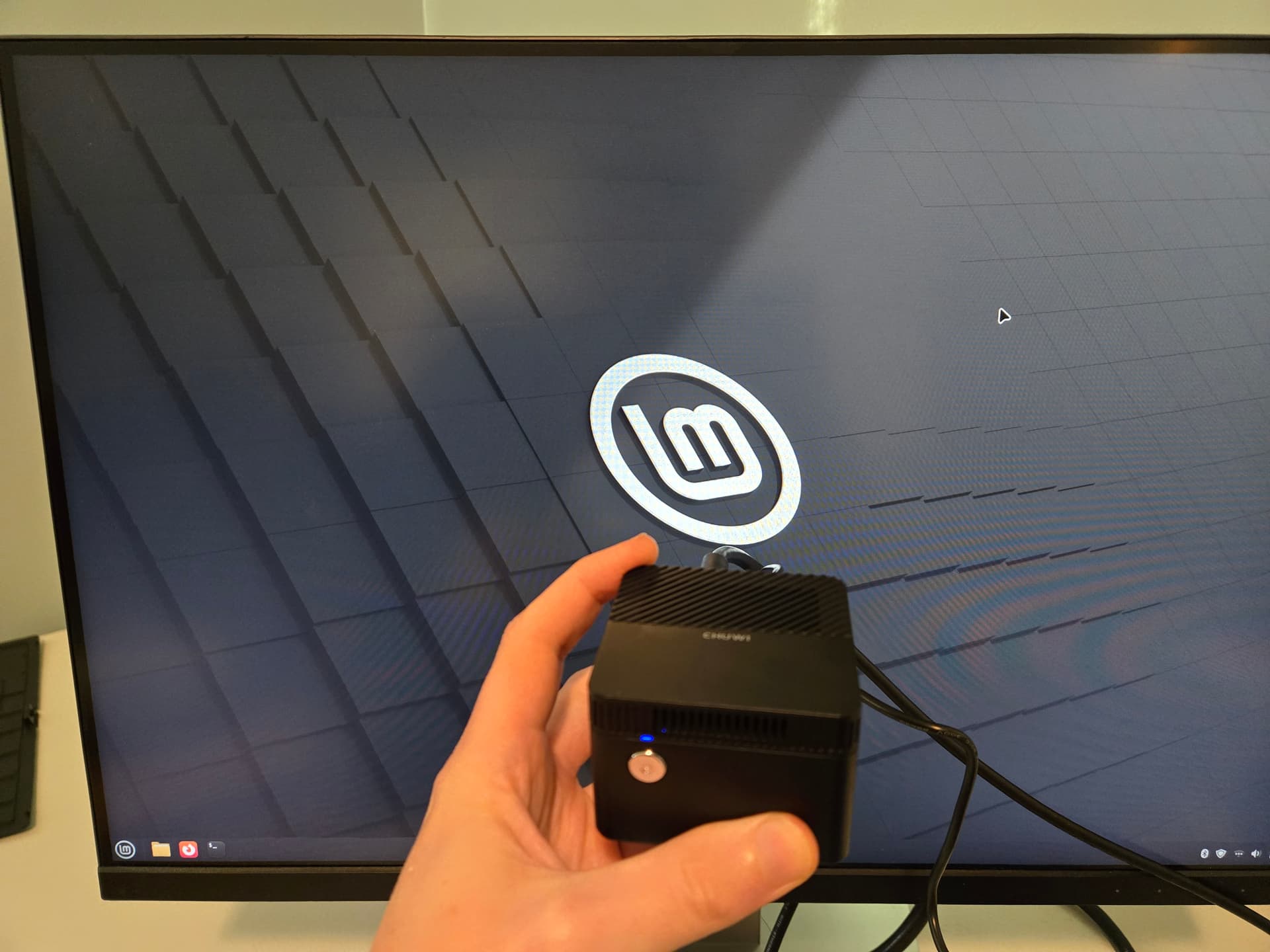
I ordered one of those Larkbox Pro machines to mess around. Seems like I’m due to fiddle in this world a bit more again.
Maybe obvious to those more up-to-date than me, it is my understanding that this is at least in part the reason that LMDE (LinuxMint-DebianEdition) came about. Linux Mint historically had been based on Ubuntu, which in turn was Debian-based… so the LMDE folks made the decision to cut out the “middle-man”, Ubuntu. Like Barry, most all my machines are Debian-based.
I’m sure there are, I’ll look around for a bit, if any have blu-ray support (even if unofficial) that will go a long way towards tipping the scales.
I’m most familiar with Mint Cinnamon for other uses. I’ve used LMDE for some thjngs and like it a lot. I have a couple of BSD boxes too, but those are generally server type roles rather rhan user experience ones.
The vast majority of what my “TV” computer does is access the NAS and play matroska x264/x265 video. It used to do Netflix/Disney+/YouTube etc, but now the TV itself is a Roku, and the built-in apps are fine.
Mostly Mint is a lazy choice as I always have a flash drive with it on hand. The nice thing with Linux is that it isn’t a financial restriction to change distros.
The end of support notices for Windows 10 are also getting on my nerves, particularly since the remedy is “shop for a new PC”. My 8 core Athalon may be older, but has more than enough grunt for what I need. It’s still faster than many of the Wimdows 11 PCs that I have which are much newer.
I dream one day of having a windows VM running on my local proxmox box. That way I can always have a terminal with proper Teams-integration, access estlCAM and other windows only programs. It’s just that I’m having real hard time making RDP work properly. Anyone had any luck with this?
That is a pretty interesting project. I haven’t changed anything on my proxmox for a while. I am not how much disk space I have left for such a storage hungry distro. But it would be a kick to run it in it’s linux box.
I’m running some passive cooled Fujitsu Futro S930 Thin Clients as a Proxmox cluster for my home lab.
I got them from Quant Electronic a German second hand electronic shop. They sell stuff from closed business.
The Futro S930 was 22 €. I added more Ram for another 10 € and a fresh new ssd for 30 €. In total 62 € with more power than a Pi for less money.
There are some newer more capable models, but I didn’t want to spend more money on them.
On my desktop machine, I’m running Nobara Linux for two years now and I do not look back. I have the old windows partition still set up as dual boot, but never bootet that since.
My small pc in the workshop (second hand Dell Optiplex USFF) I would like to switch to Linux, but I’m using Estlcam as Controler and I didn’t try yet to get that working with wine on Linux.