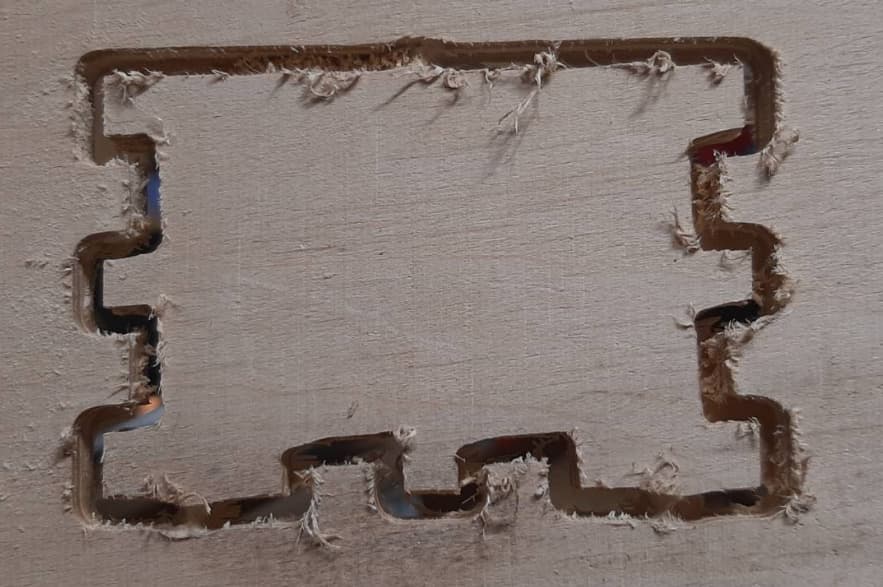
This was 1/8 downcut bit, 3.5mm DOC, 1000mm/min, plywood.
Is plywood tricky?
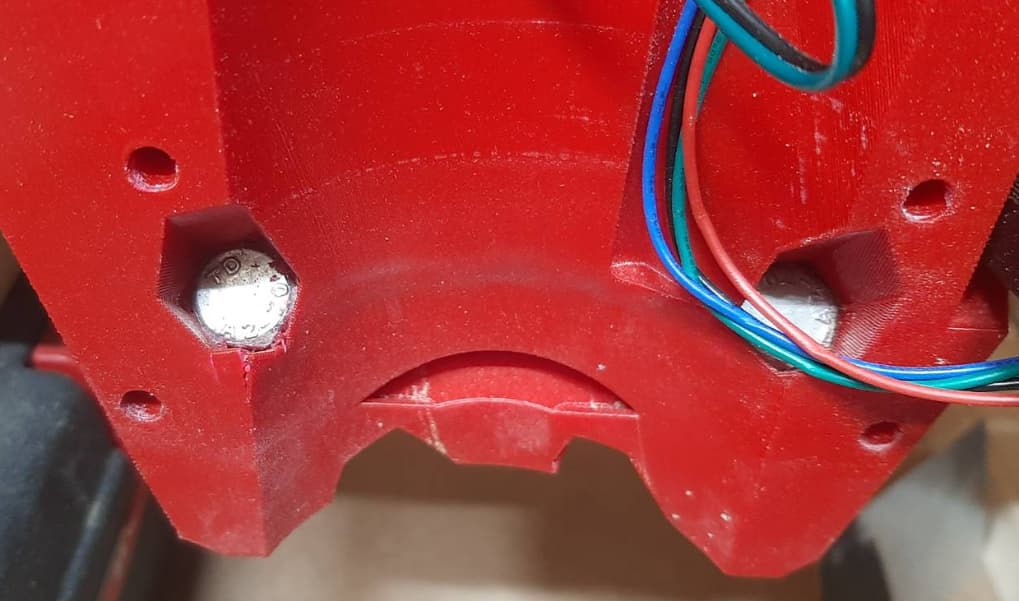
I found some core wiggle, but it must have been there before. While trying to tighten it, one of the screws seem to go round and not tighten at all - like it’s turning in it’s seat on the other side? Possible?
I so hate idea of taking whole machine apart again
Ahh I missed that. You are on LR3 I assume? If so check the back of your core for cracks. Overtightening can cause that for sure. I speak from experience unfortunately. I cracked 2 of them. Once you crack the back it will never get tight and stay tight again.
Are you sure it was ever really tight? Those big screws really need a while until they are snug, maybe yours never was. Check the other side as well.
Plywood is also really hit or miss. I have a whole thread where I was searching for the root of a similar problem (not that bad, but still) and in the end I just took another endmill. It only ever occured with that piece of plywood also.
Additionally: Downcut is always harder to cut with.
How necessary is grub screw loctite? Didn’t include any on my build, but haven’t put the beam together yet so I could if you think I’ll regret not doing it
Issues with loose grub screws are so common that it is a running joke on this forum. If you don’t use loctite, it’s not a question of if but when they become loose.
Regarding Loctite… I never did on my Primo, and have not (yet) had loose grub screws on it. I also do regular inspection of the bearings, gantry surfaces, and of course grub screws.
I did install loctite on the LR2. Then I disassembled the LR2 for the LR3 beta… Ugh. So I did not install Loctite on the LR3. It’s still running, though it has a LR4 sitting on top of it right now, lol. No Loctite on the LR4 either, but again, regular inspections including grub screws, like whenever I start a new project, particularly with expensive material. I’ve caught loose bearings in the core a couple of times on the LR3, and once on the LR4. (LR3 core is still the first beta core I printed, going strong. LR4 core is RC2.)
I did have grub screw problems… On the MP3DP, which I don’t inspect as often. Never did on a CNC It is possible not to have problems, but the price is vigilance. (Kind of like freedom, eh?)
Pretty sure that the entire “troubleshooting” section of the docs when I built the Primo was “Did you check the grub screws? --Seriously, did you?” Maybe a note to ask on the forum.
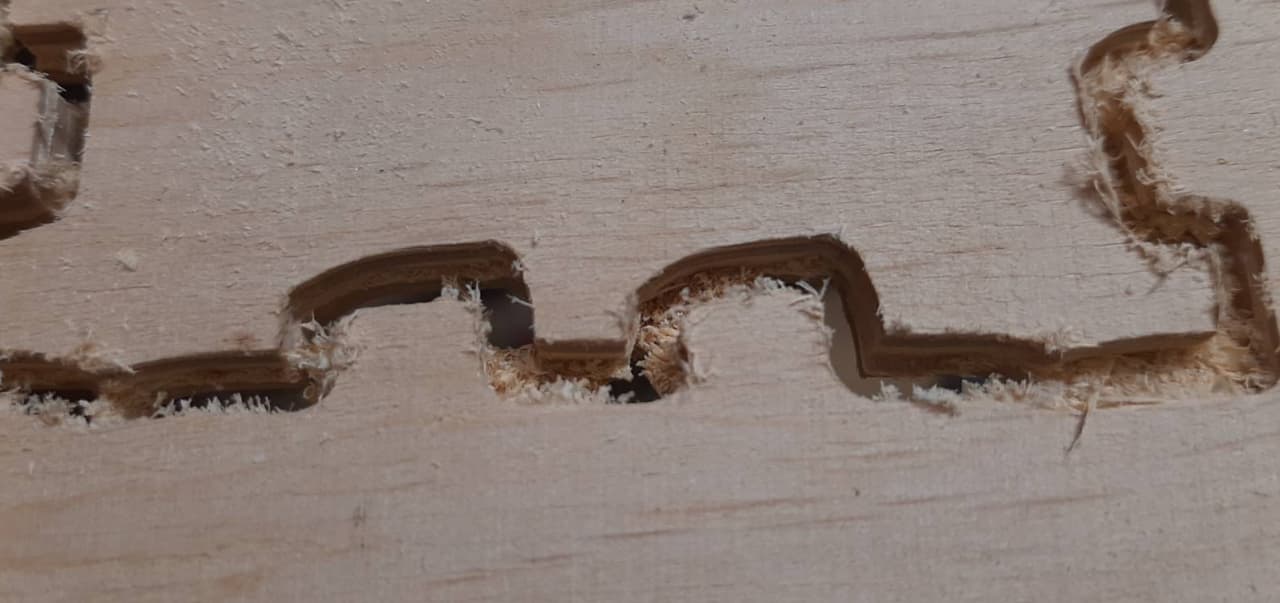
Back to topic though, that doesn’t look like grub screws to me. Grub screws would be more likely in my mind to end up with shapes that aren’t closed, not just sloppy corners like that. That looks like a loose core, or failed material hold-down.
Assuming that the photo is taken where the X axis is horizontal and the Y axis is vertical, the Y axis looks reasonably straight. There aren’t visible deviations where the machine is cutting in pure Y axis direction, but there is a variance when cutting in the X axis, particularly when the tool is making a clockwise turn.
My money is on the core being a bit loose on the rails.
The problem is core wiggle. I don’t know why it was working fine till now - maybe I have been using smaller DOC and it didn’t show? However… both screws are spinning in their seats. I tried sticking something there to stop them, but to no avail. They are also loctited, so it does not help…
Did you print the parts yourself? As far as I can tell, at the crack the wall is only one layer thick. if the wall is several layers thick it is much stonger.
can you put a picture off the bit here? perhaps it is not the best choice to use

 Check the other side as well.