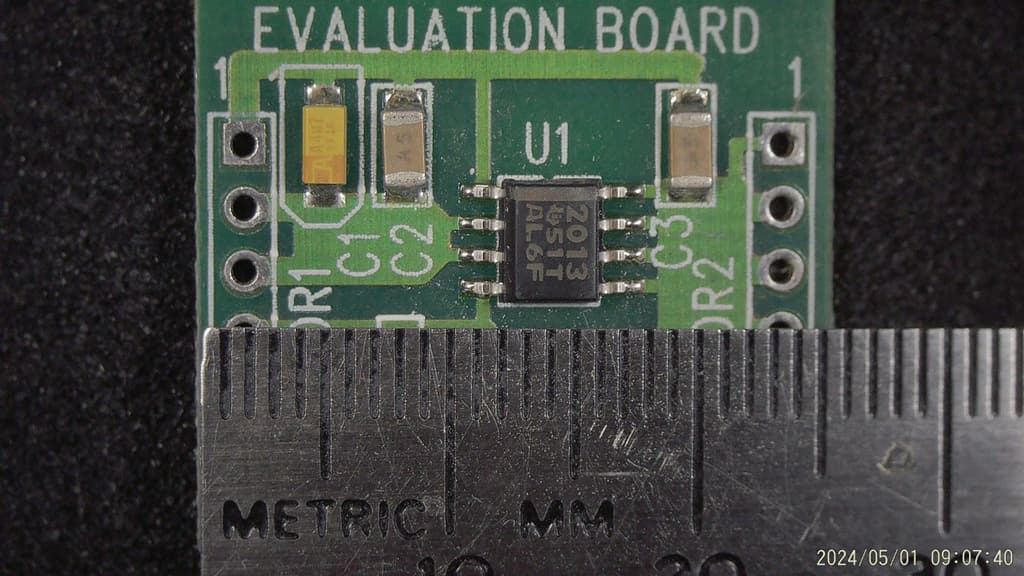
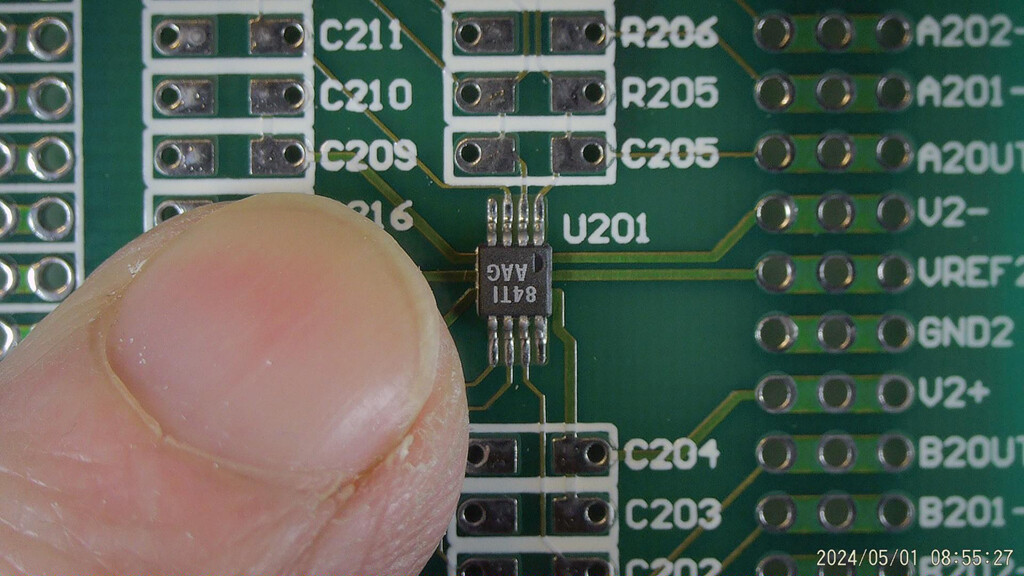
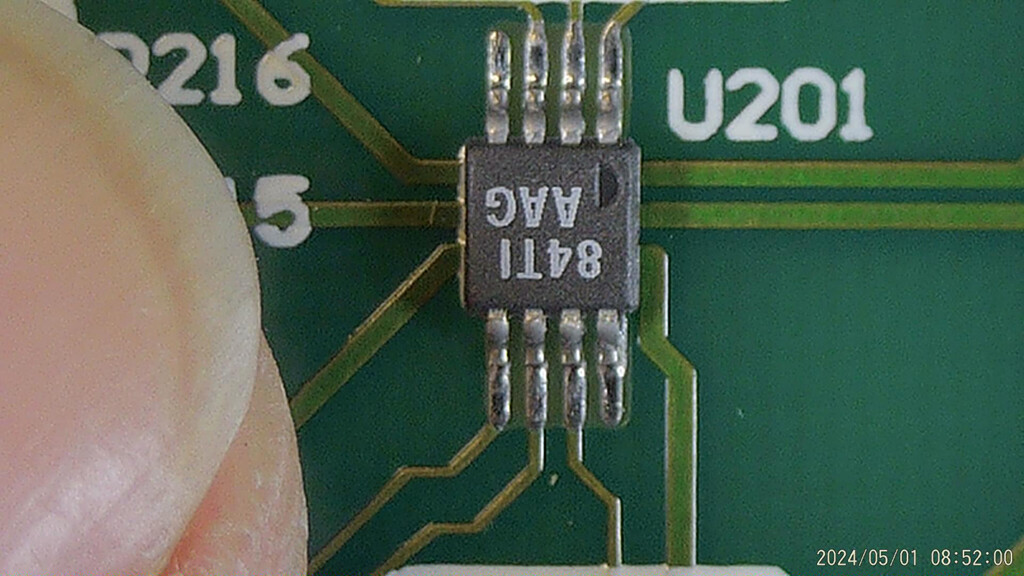
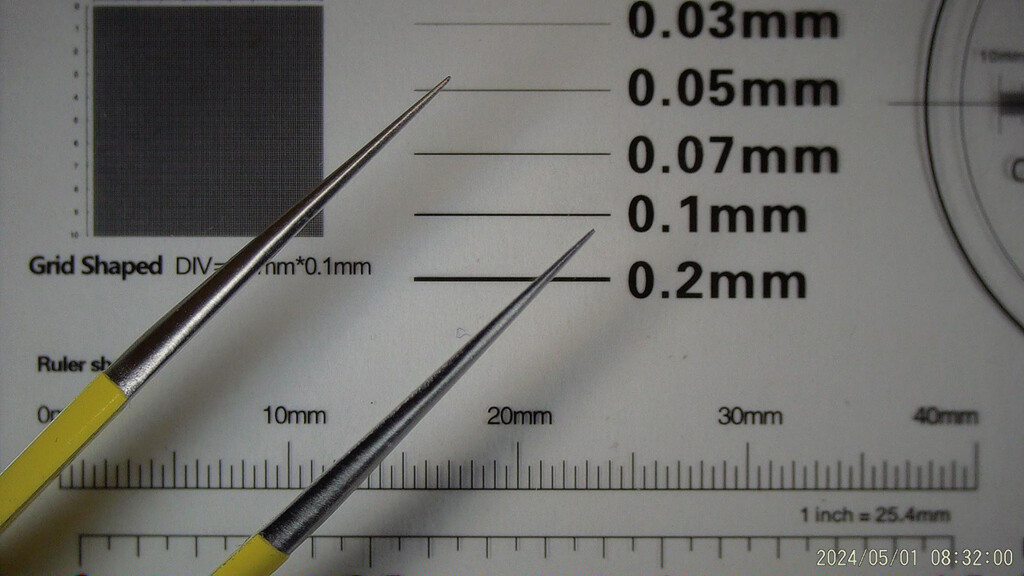
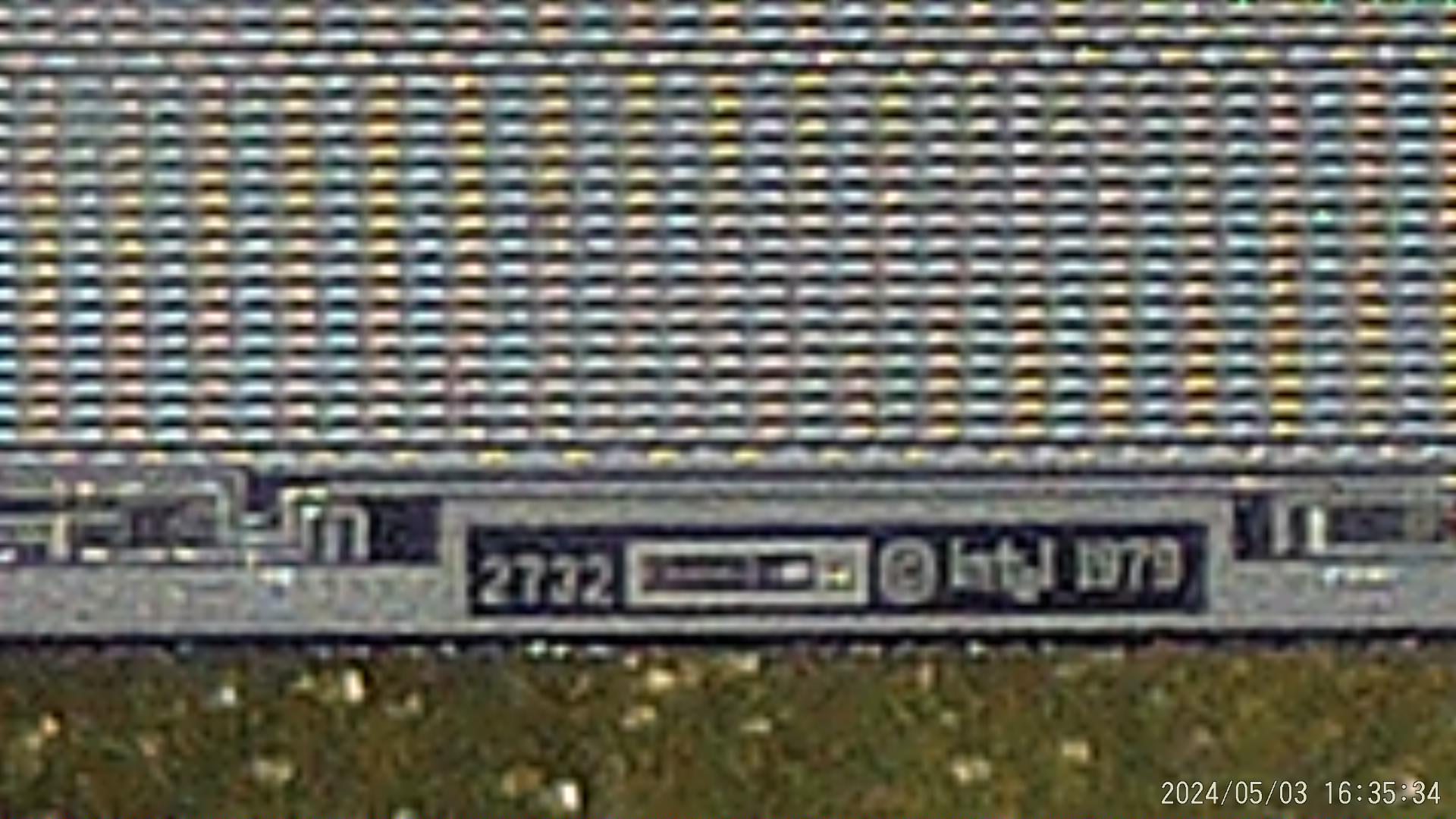
I have the max optical magnification in those images. I’ve only taken the digital to 5x (which is good enough to see the cells in the lettuce, but not inside the cells). At 5x, it starts to get grainy. A lot of “salt and pepper” type noise where the pixel exposure seems a bit random. I think the best is probably around 2x if you won’t tolerate any noise.
$15 seemed like a typo. It was $105 yesterday. But I won’t complain. I honestly would not have spent $150 because I don’t really need that much scope.
Yeah, that’s an interesting one. At $15 it’s a bit of a ‘wtf, how are there not more than $15 of materials in there’, which would make me think that it’s a run-out/clearance kind of situation.
At $150 you’re getting into the range of something like a good deal on a 2nd hand Mantis viewer or binocular microscope, which would make the decision a little more tricky. Edit: Actually, maybe not on the Mantis. Looks like you’d need to at least double that, maybe triple that to get something working with an arm.
Thanks for the heads up on this Doug - best bang for the buck $15 I’ve spent in a while.
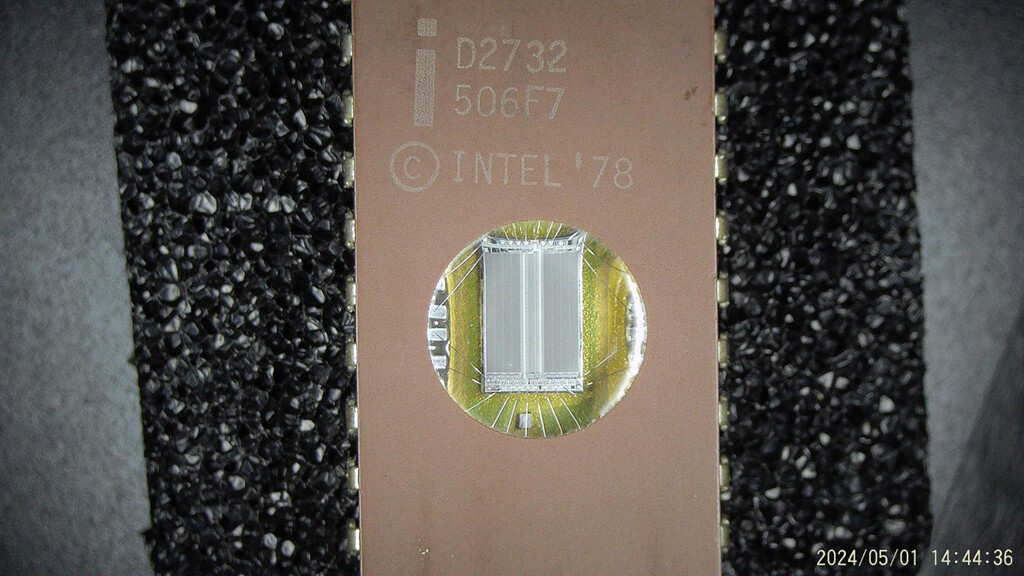
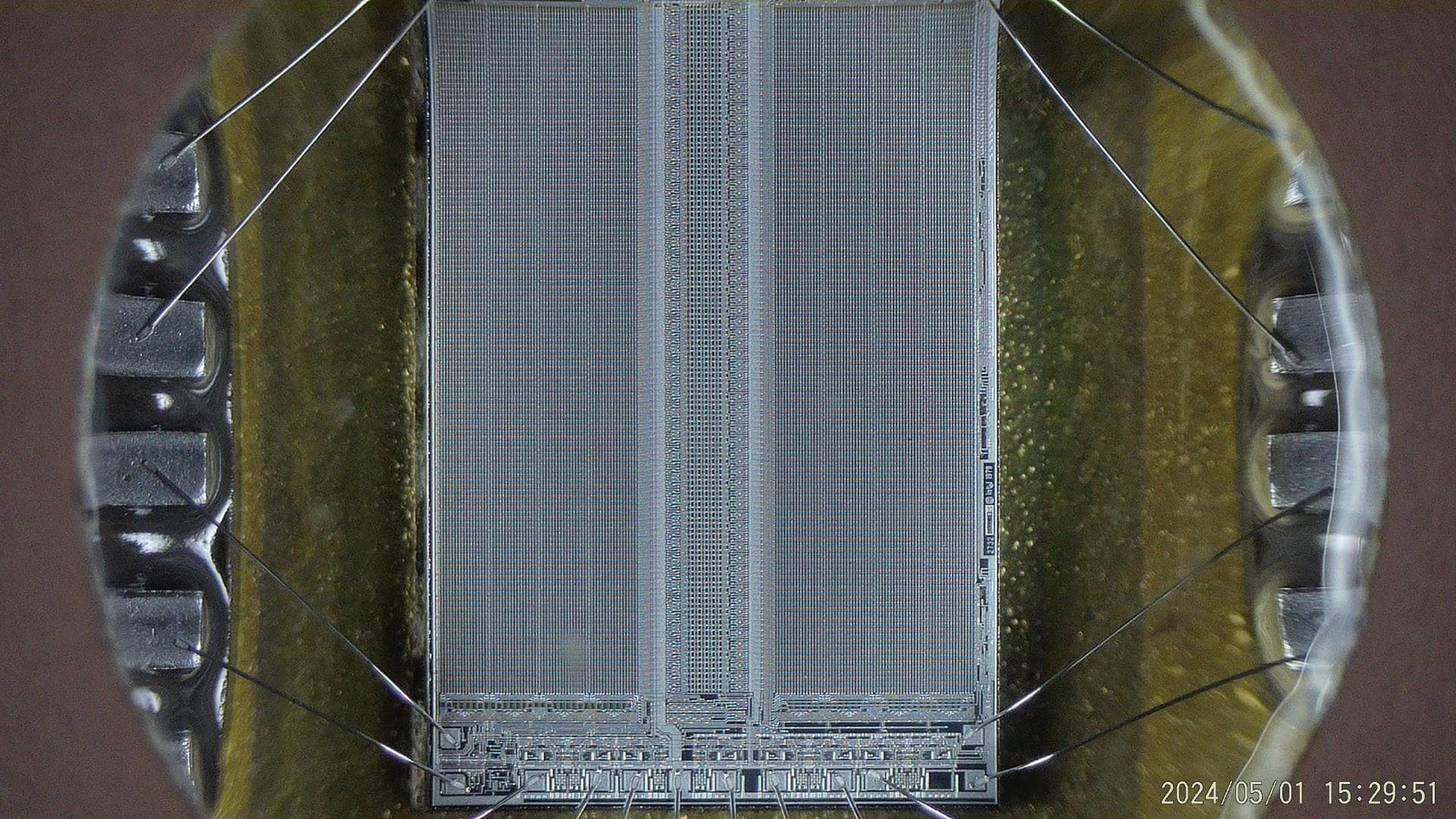
I have experience using stereo microscopes for assembly/repair, but don’t have one at home. This thing’s way better than I thought it would be. My doubt about these inexpensive mono microscopes has always been - is there enough working distance below the lens to actually solder stuff. It has ~3-3/4" max working space, which I think will work for a lot of stuff I do. Aside from that, it’s just fun to play with. Haven’t tried it on a big screen TV yet, but the HDMI output works fine on a monitor. I knew that even if the thing was a POS, there was more than $15 worth of parts I could use. The 32Gb Micro SD card alone is worth $7-$8, and shipping was free (don’t tell bitingmidge - he’s already bummed out). Here’s some test pics:
View of 32K EEPROM memory with camera backed all the way up - no digital zoom. This old type of memory was erased by exposing chip to UV through the quartz window.
Well, I have now used my digital magnifier (“microscope”) for its first really tiny soldering job, and it was a great help, and the repair was a success. I had one ear in a set of really small “in ear” headphones to stop working. The wires were so thin I could barely see them with the unaided eye, and the solder pads were small and close together. Within only about 1.5 minutes the whole repair was done and the headphones work again.