G’day from South Australia, where the weather is just starting to get warm again, meaning the time is finally right for me to build a LowRider! I’m a paramedic by trade but enthusiastic DIYer and shed tinkerer.
I’ve been watching Ryan’s work for years now; I was initially drawn to the MPCNC, but as time went on and I started doing more and more projects around the house, a full-sheet machine seemed like it’d be an awesome thing to have in the shed. Life has got in the way 'till now, but I’m really excited to be diving in.
I burned a huge hole in my “Black Ops” bank account (spending on “toys”) by buying a Bambu H2C to replace/supplement my slightly unreliable Voron V2.4, and it was because of this I made my first mistake on this build: not buying the parts from the V1 shop. It’s not been a massive deal, but between the stuffing around I’ve had to do locally, the wrong bits I’ve ordered online and the frustration of it all, I should have just bought it from the V1 shop in the beginning.
Anyway, the build is underway! The potential second mistake is my immediate straying from the Approved Path™️ by printing the parts from ABS-GF. I bought a bunch of it for some other projects and I’ve just been so impressed with it. I calibrated the shrinkage and haven’t had any early issues with assembly, but time will tell if I’m going to be back printing new parts in an approved filament.
As much as I disapprove of some of Bambu’s business practices, man… The user experience is a quantum leap from what I’ve been used to with my Voron. This is probably an indictment of me and the quality of my build more than anything, but it sure is nice to “point and click” without having to worry about whether it’ll work or not.
I just love the finish that fibre-reinforced filaments give, and the H2C does an amazing job (and it’d bloody want to for the price). The parts came off the printer perfectly first time; I don’t think I had to reprint a single part. I’ve gone with black as the base colour, and orange as the accent. I’m not sure if the orange will be a bit much all told, but, I guess that’s the beauty of having a 3D printer in the workshop – you can change it out pretty easy!
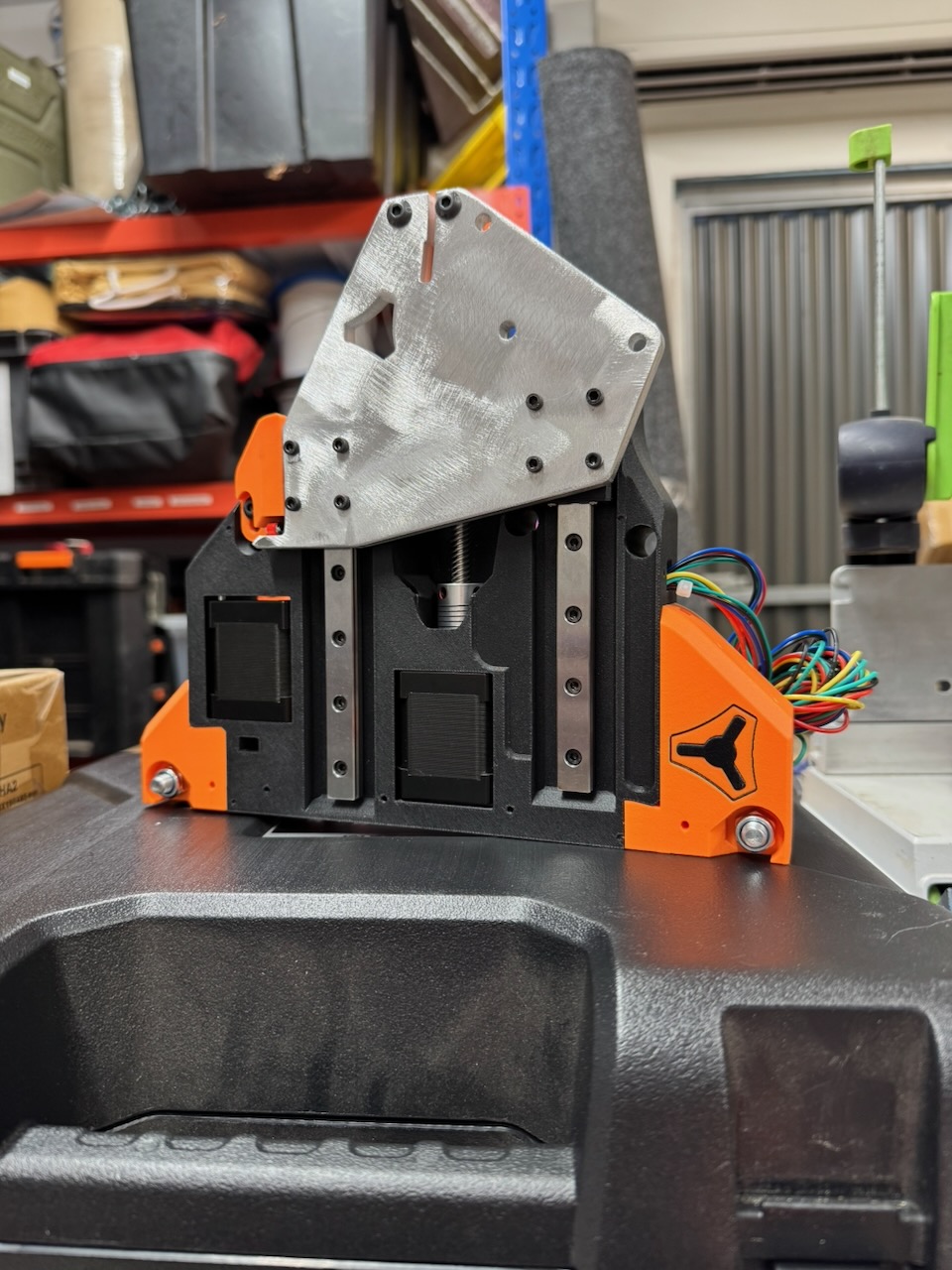
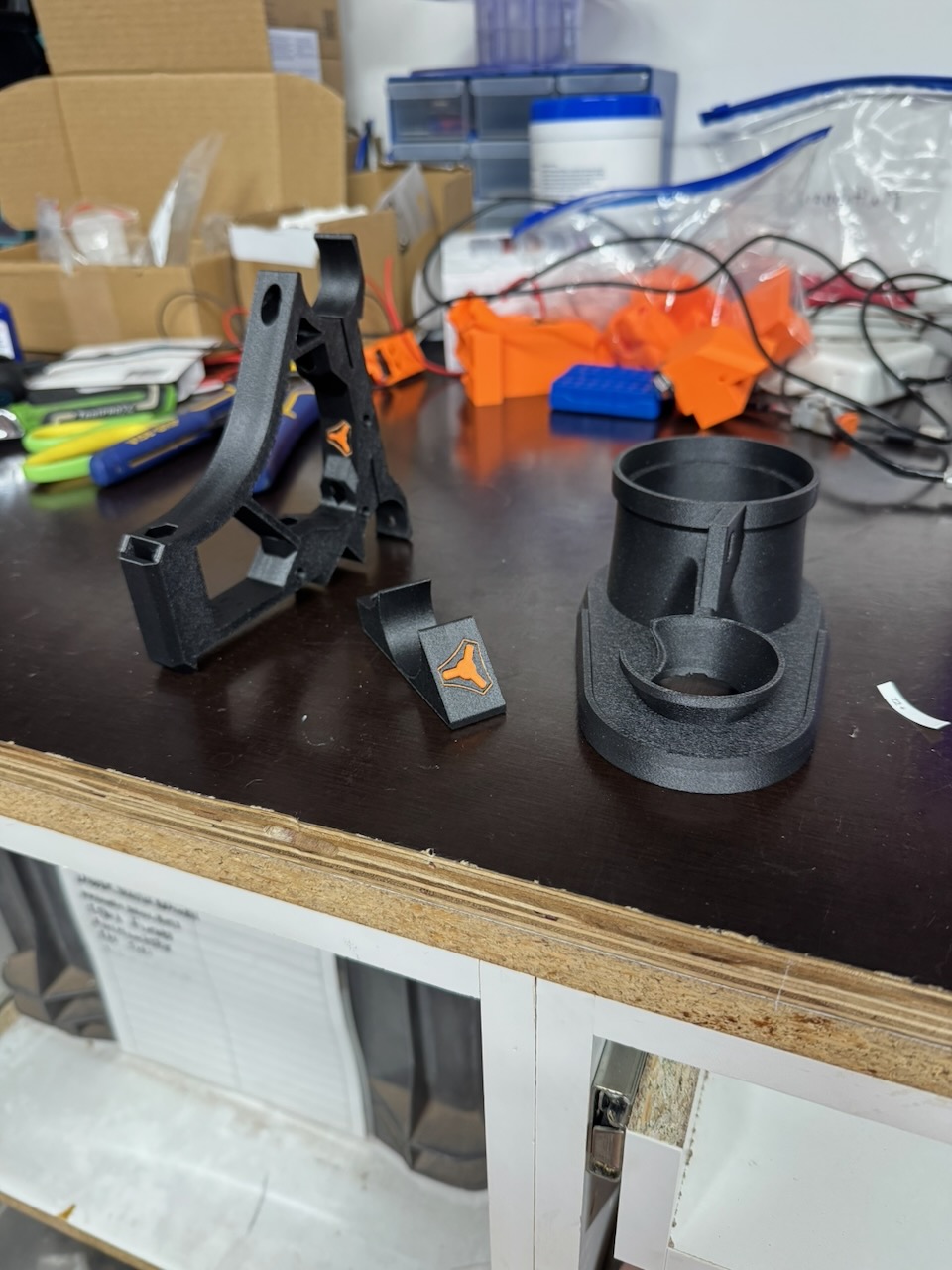
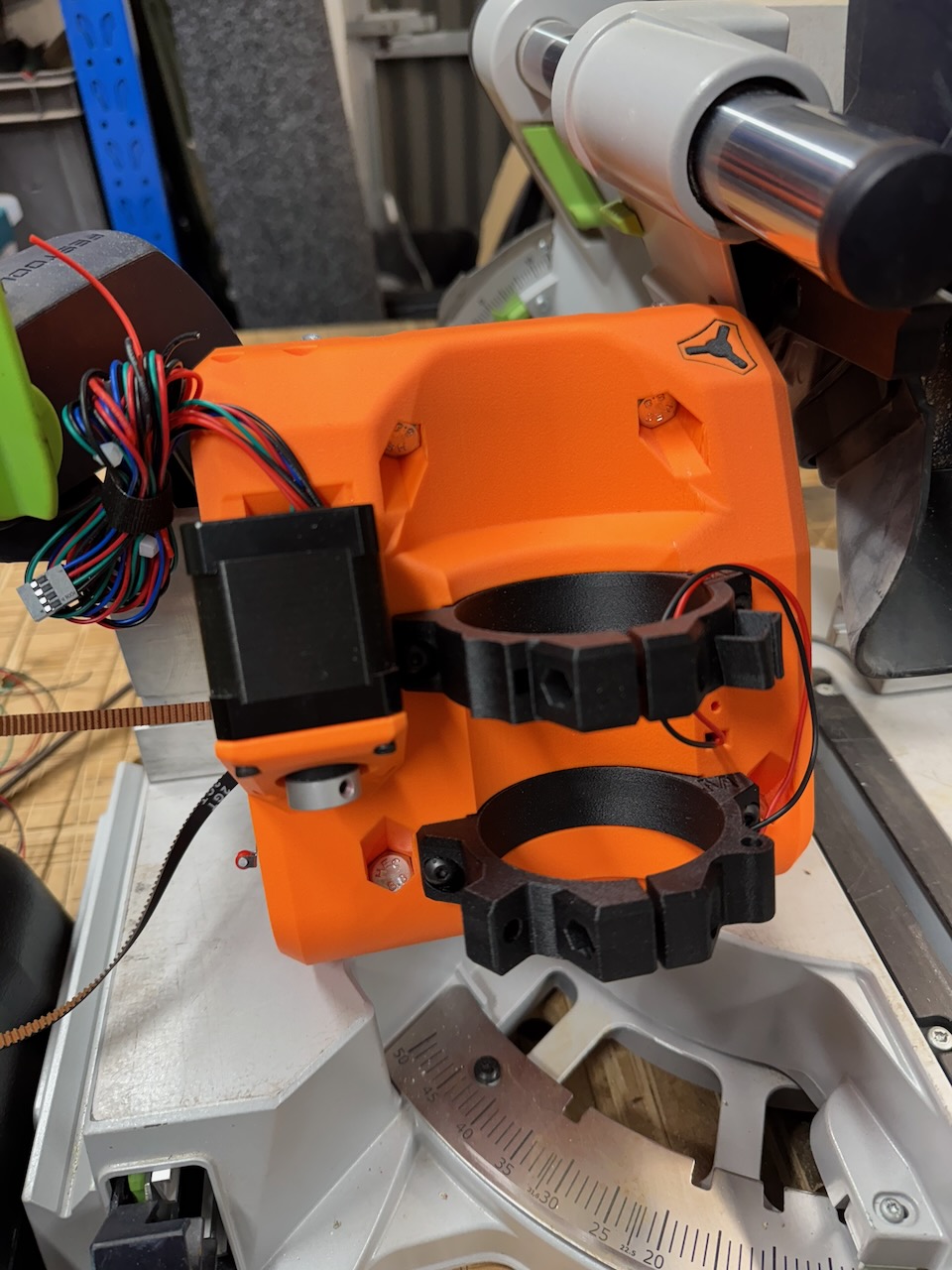
I’ll use a Makita 700 series router to start with, and I’m trying to re-use some of my existing components from the workshop where I can. I had an unopened box of OMC 2A NEMA17s that are being put into service for the LowRider, and I’m intending to run Remora on a BTT Octopus Pro (lying around) and LinuxCNC on a Pi 4. We’ll see how that goes… I may yet raise the white flag and buy a Jackpot 3…
So far, I’m really enjoying the build and the instructions have been exceptional. I’m really looking forward to getting this thing built and making dust (which is the obligatory side-quest – I’m going to have a play with a 3D-printed dust separator too). Thanks, Ryan, for bringing an awesome bit of kit into the world.
Cheers from Adelaide,
Andrew.
 One of the early jobs for the machine will be to build itself a new home.
 I suspect it’s going to be fine for what I’m going to be doing with it, but there’s no doubt that PLA is the superior material for this particular use case. I’ve got ChatGPT to do a little comparison of the various Bambu filaments based on their TDSes and come up with this, using PLA Basic as the baseline: