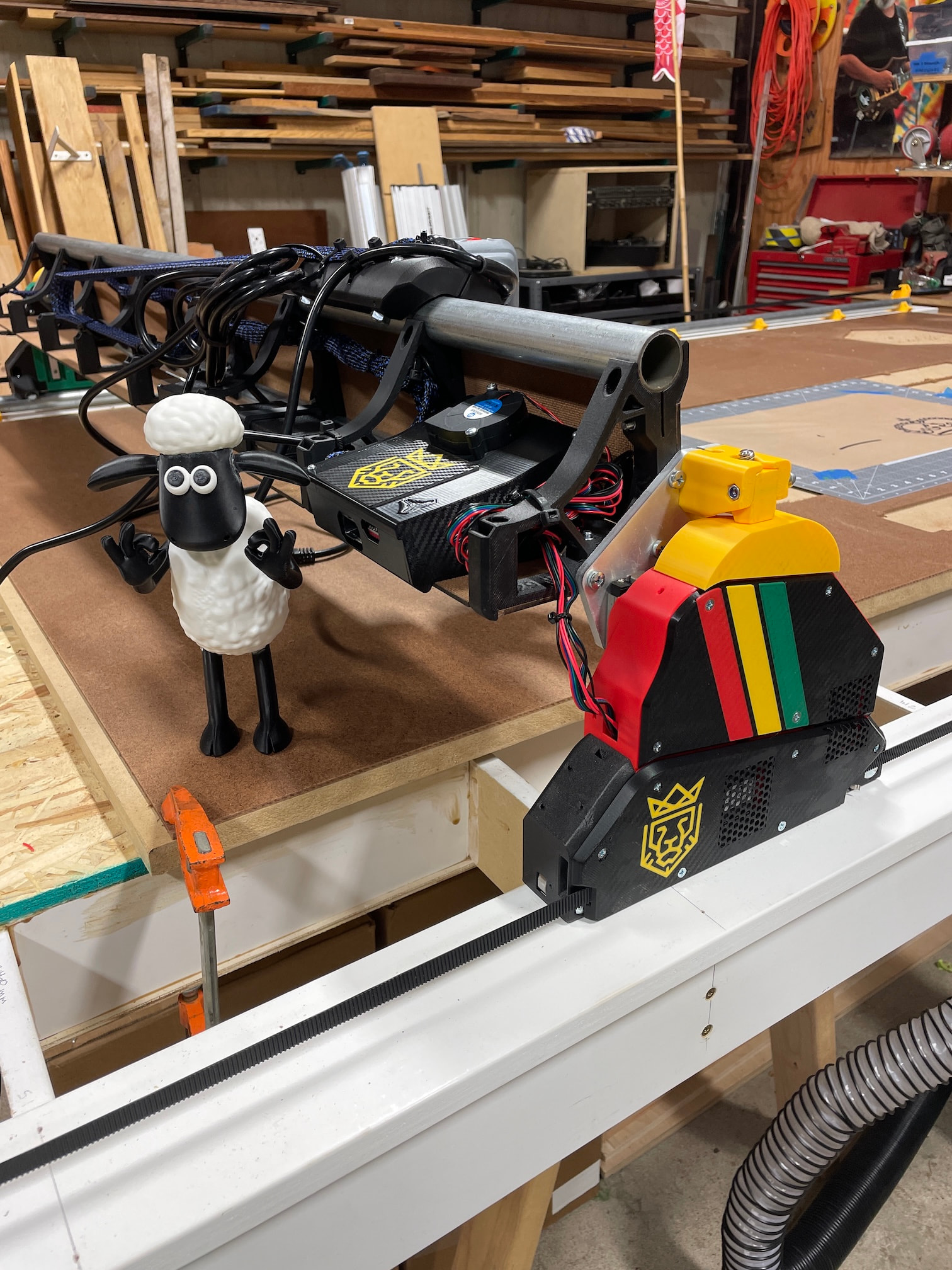
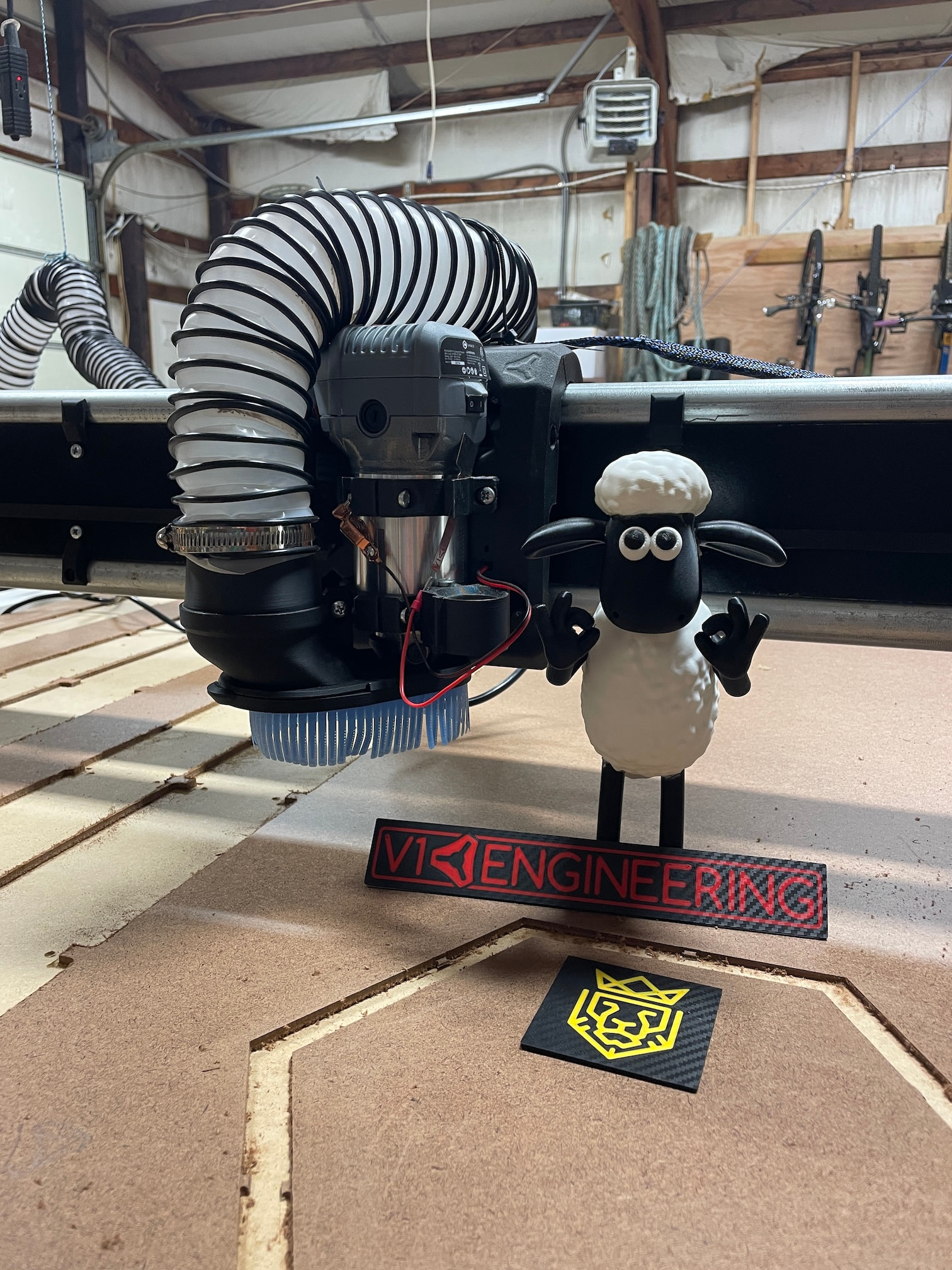
Presenting the Red, Gold & Green Machine! After months of research and weeks of building I’m (mostly) finished with the build and (almost) ready to start cutting some wood for projects.
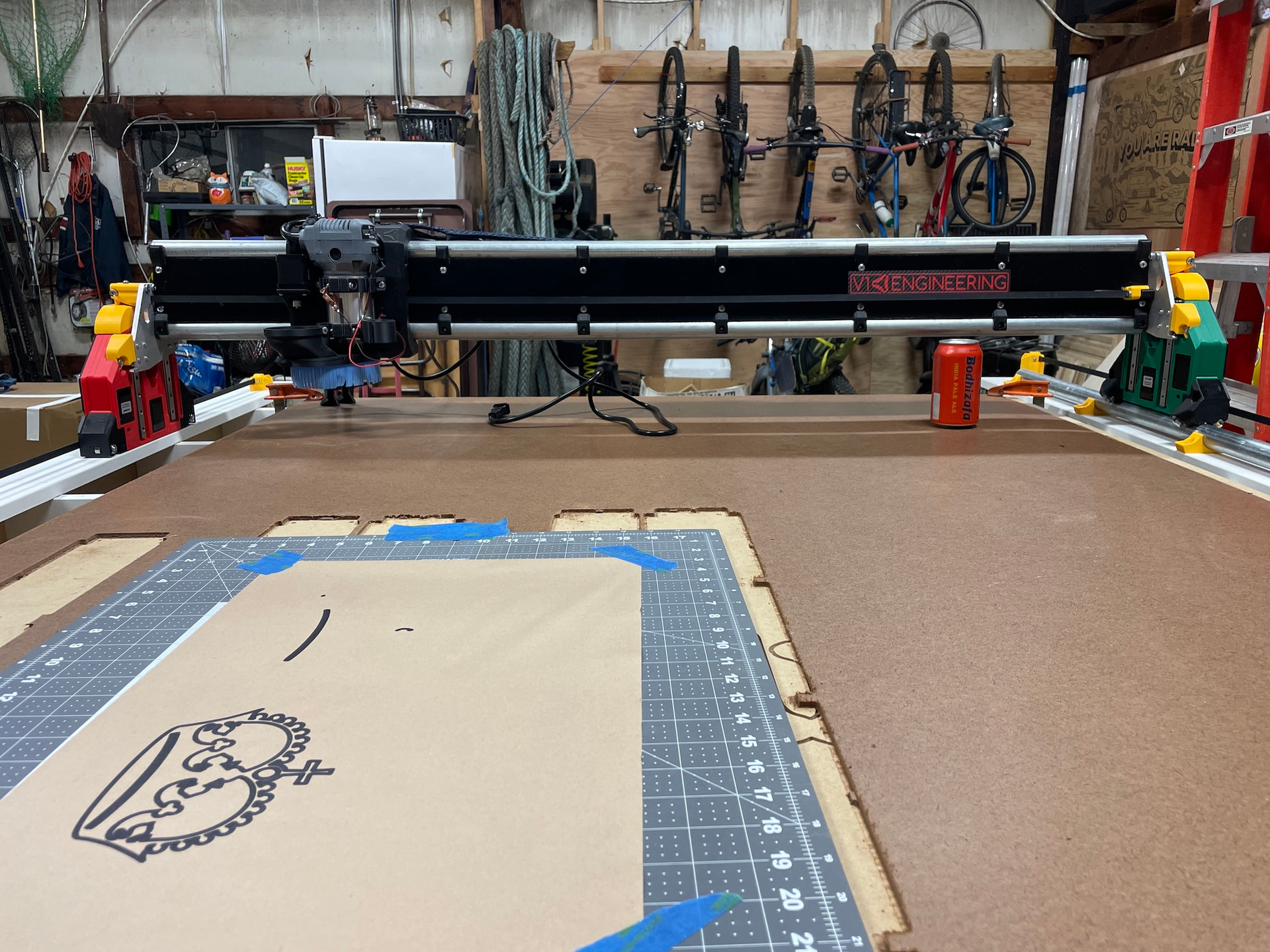
My most sincere thanks to @vicious1 for sharing this amazing project with the world, and designing a quality, affordable and accessible CNC machine that I could build at home. Thanks also to the generous and helpful community here in the forums, without your assistance this project would not have been possible.

Why Red, Gold & Green? My primary motivation to build this machine is to to use it for speaker building- specifically large PA speakers for playing reggae and dance music at events and parties. Red, Gold and Green are the colors of the “Rasta rainbow”. Even though I’m not a true Rastafarian myself, I love reggae music and its usually what’s blasting from the speakers in my shop anytime I’m working on projects. This machine is inspired by, and largely built for, speaker building and my love of music.
My CNC journey started about five years ago when I backed the Maslow 4 project on Kickstarter. My motivations were the same, at the time I was just getting into speaker building and was fascinated by the world of hobby CNC machines. After much trial and error I did successfully build a nice pair of speakers with the help of the Maslow, but in the end I discovered that it wasn’t the best machine for my specific needs.
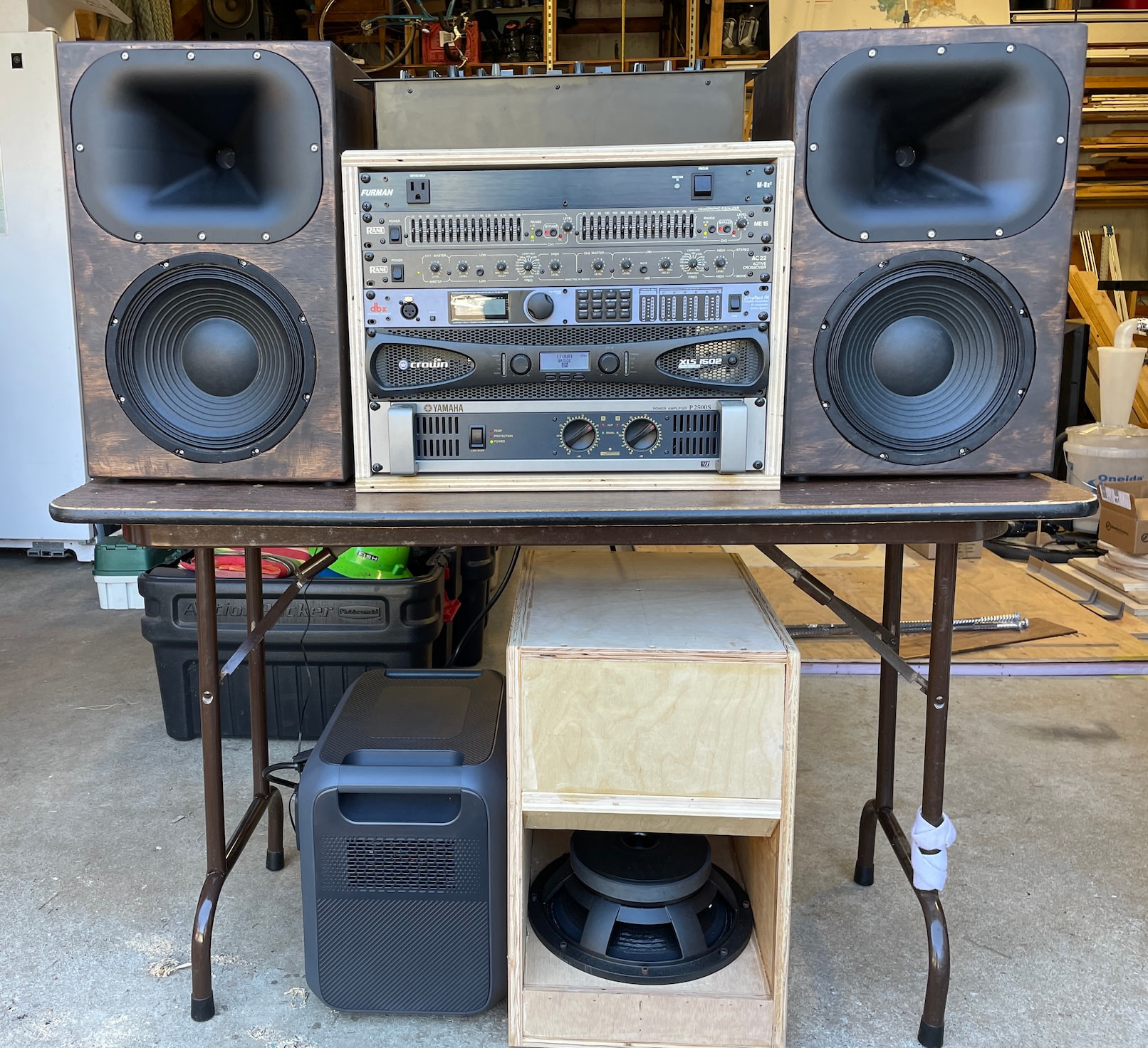
I spent a few months online researching all the available options, lurking around the forums, and getting deep into the Reddit comment sections before deciding on the LR4. I’d always wanted to get into 3D printing and building an LR4 seemed like a good excuse to get a 3D printer and dive down that deep rabbit hole. I ordered a Bambu P1S and spent another month learning how to use it before I ordered the LR4 parts kit from V1E and started this project.
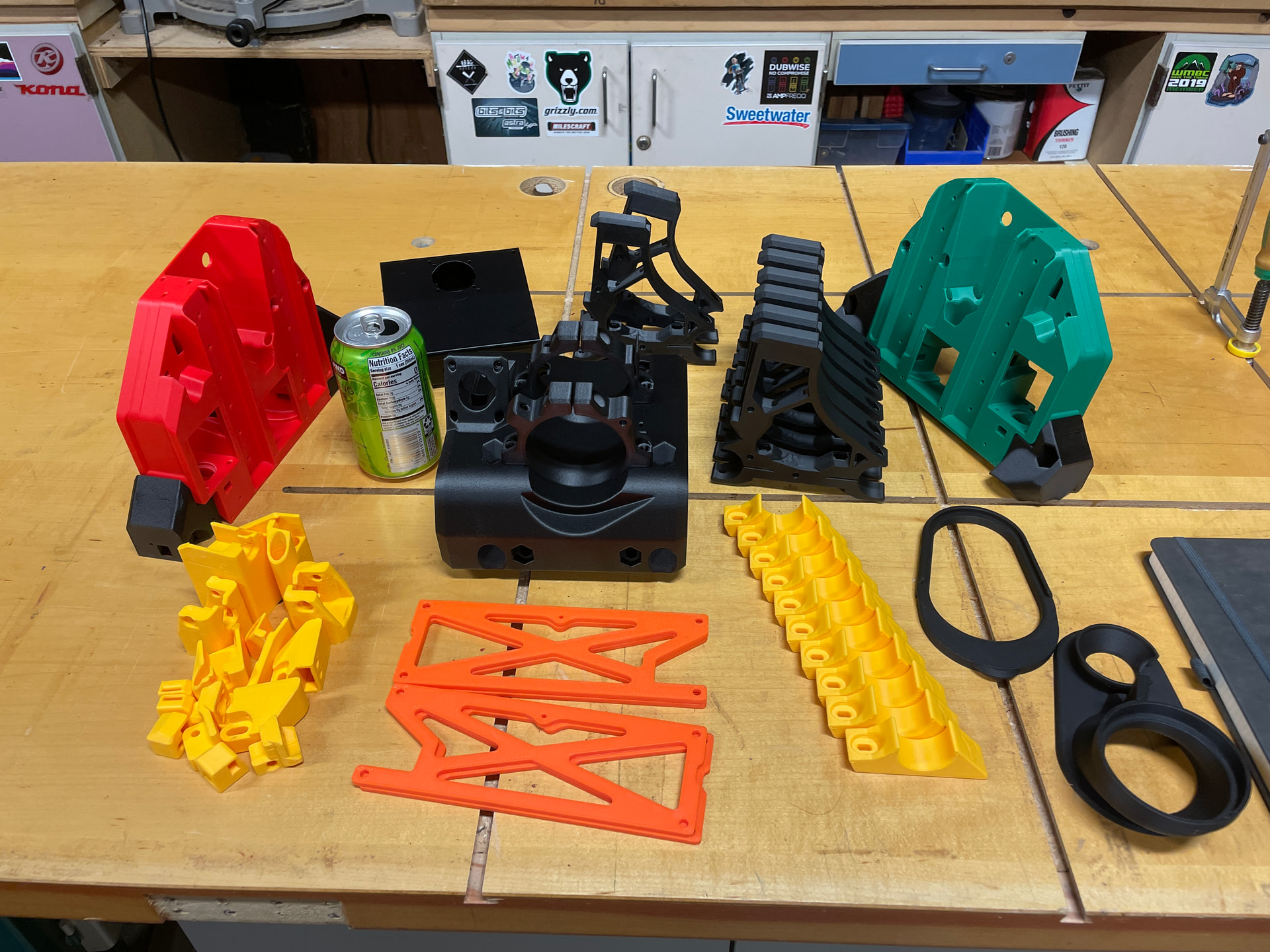
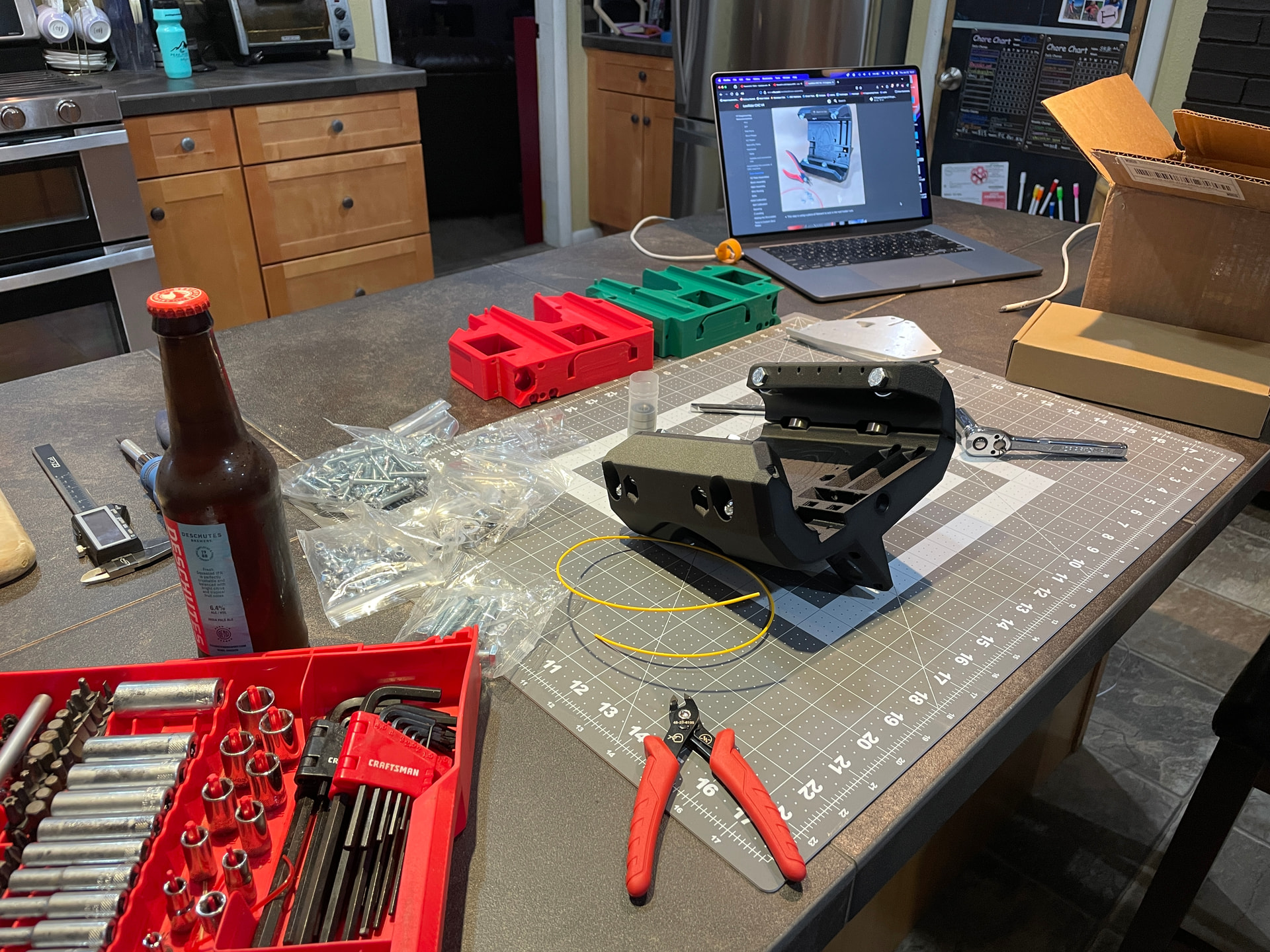

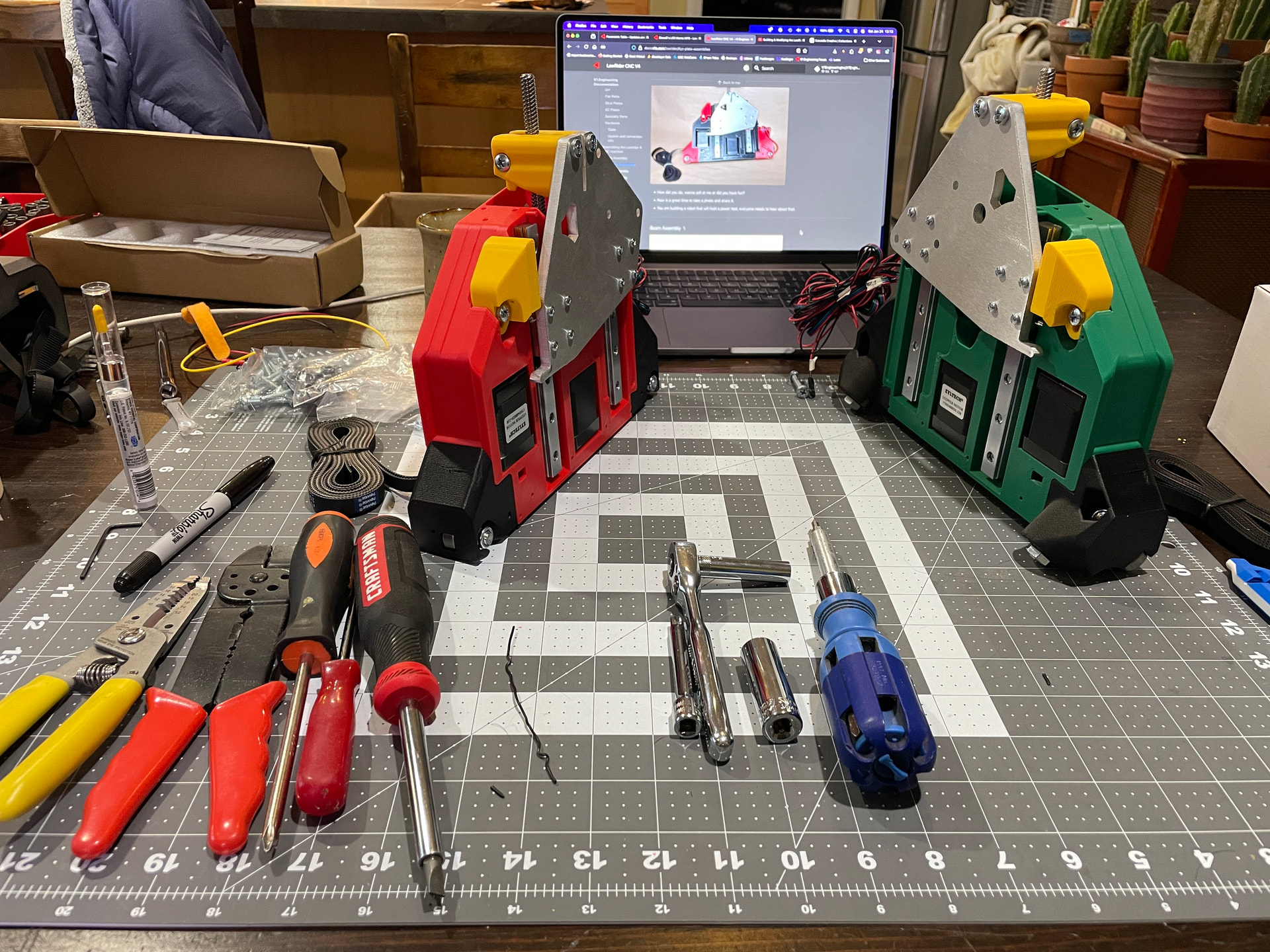
With Ryan’s detailed assembly instructions on the screen I gathered my tools and materials and posted up at the kitchen counter to start building (since it was freezing outside in the shop). As usual, I under estimated the time it would take to finish this part of the project (if my lovely wife ever read this post she would be rolling her eyes). The next morning I moved the project over to the dining table as I couldn’t continue to monopolize the kitchen counter without risk of upsetting my spousal unit.
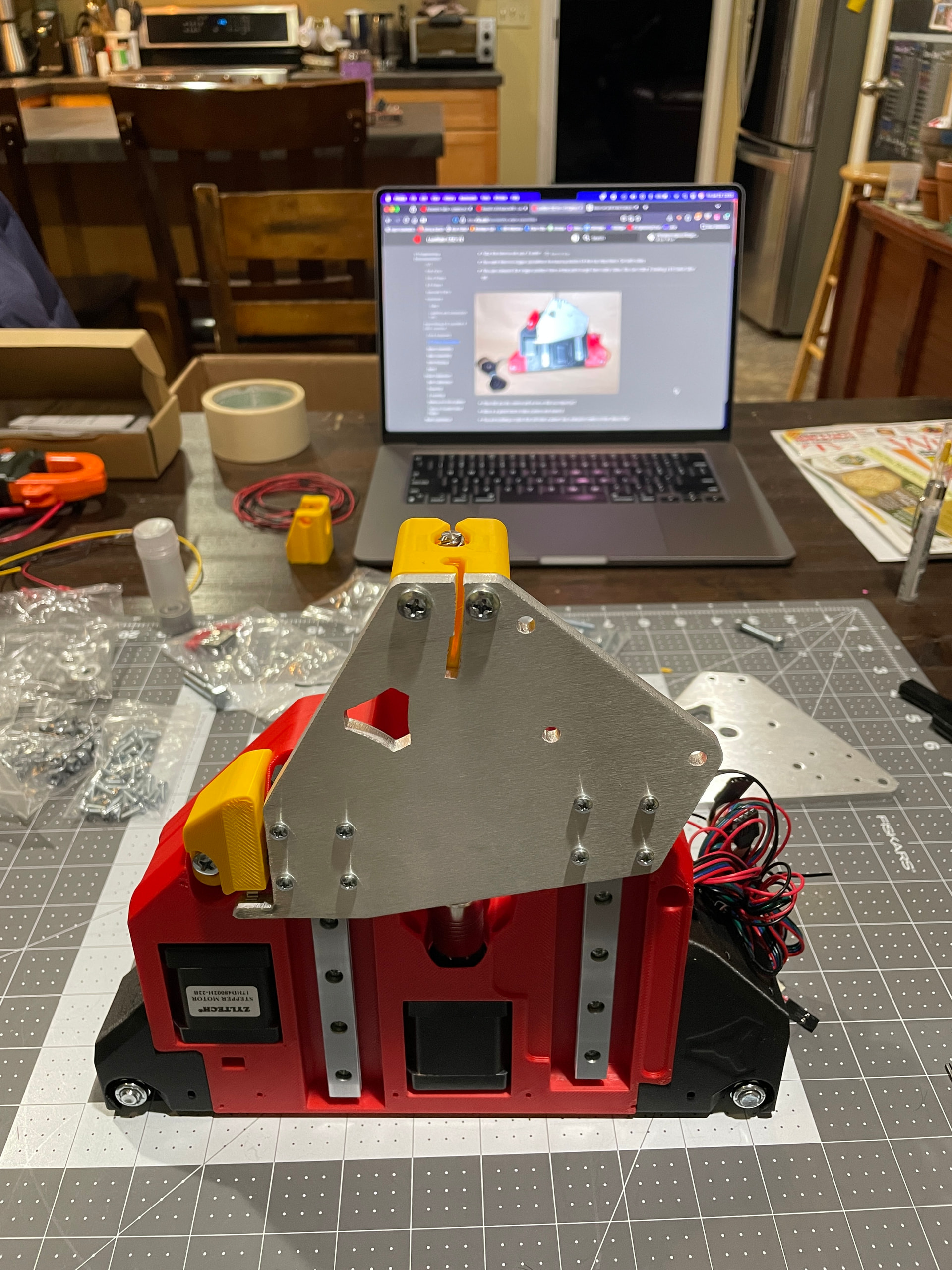
After a few evenings at the dining table, I was able to get most of the parts assembled in the warm comfort of the house before moving back out to the cold shop.
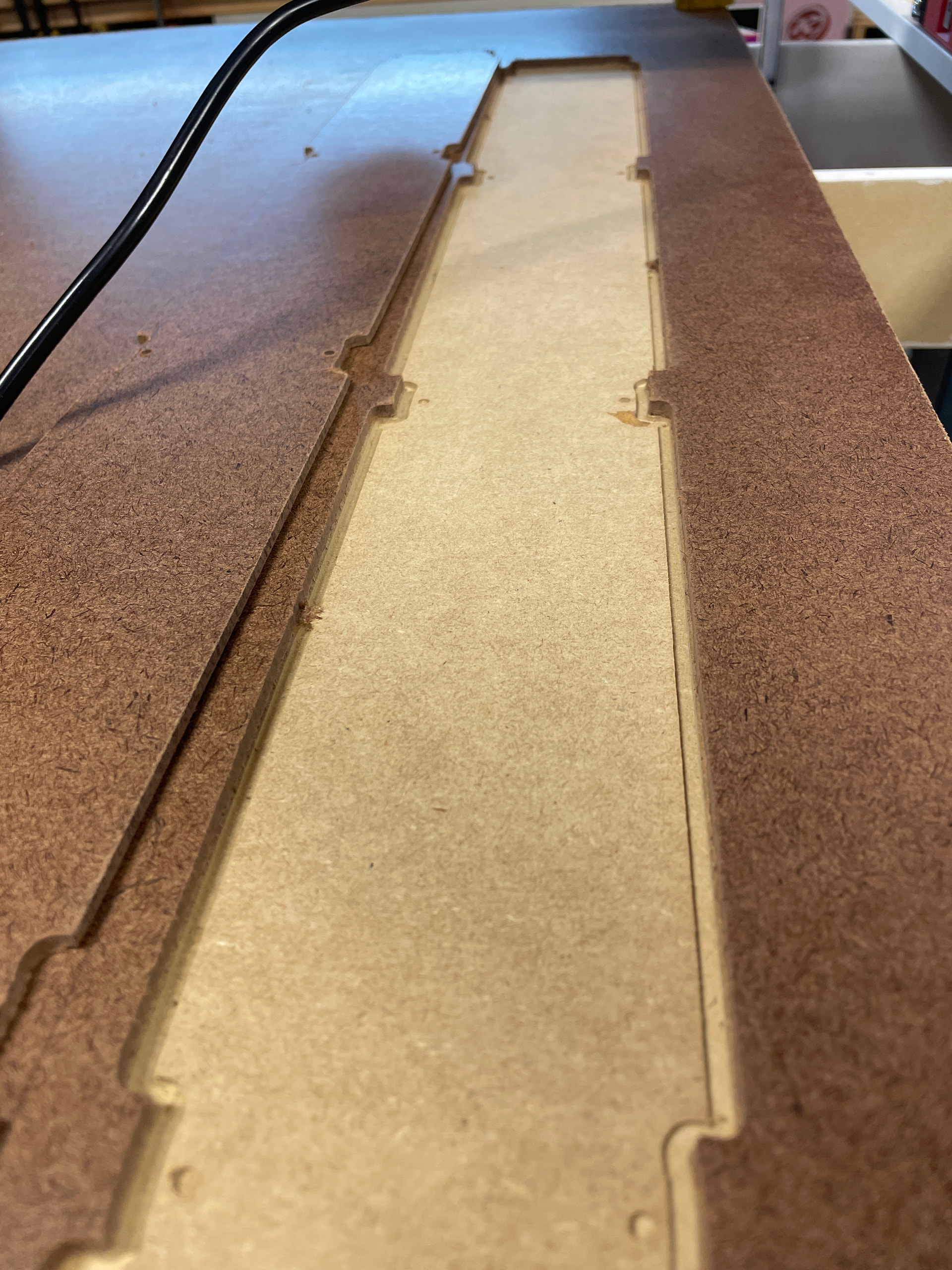
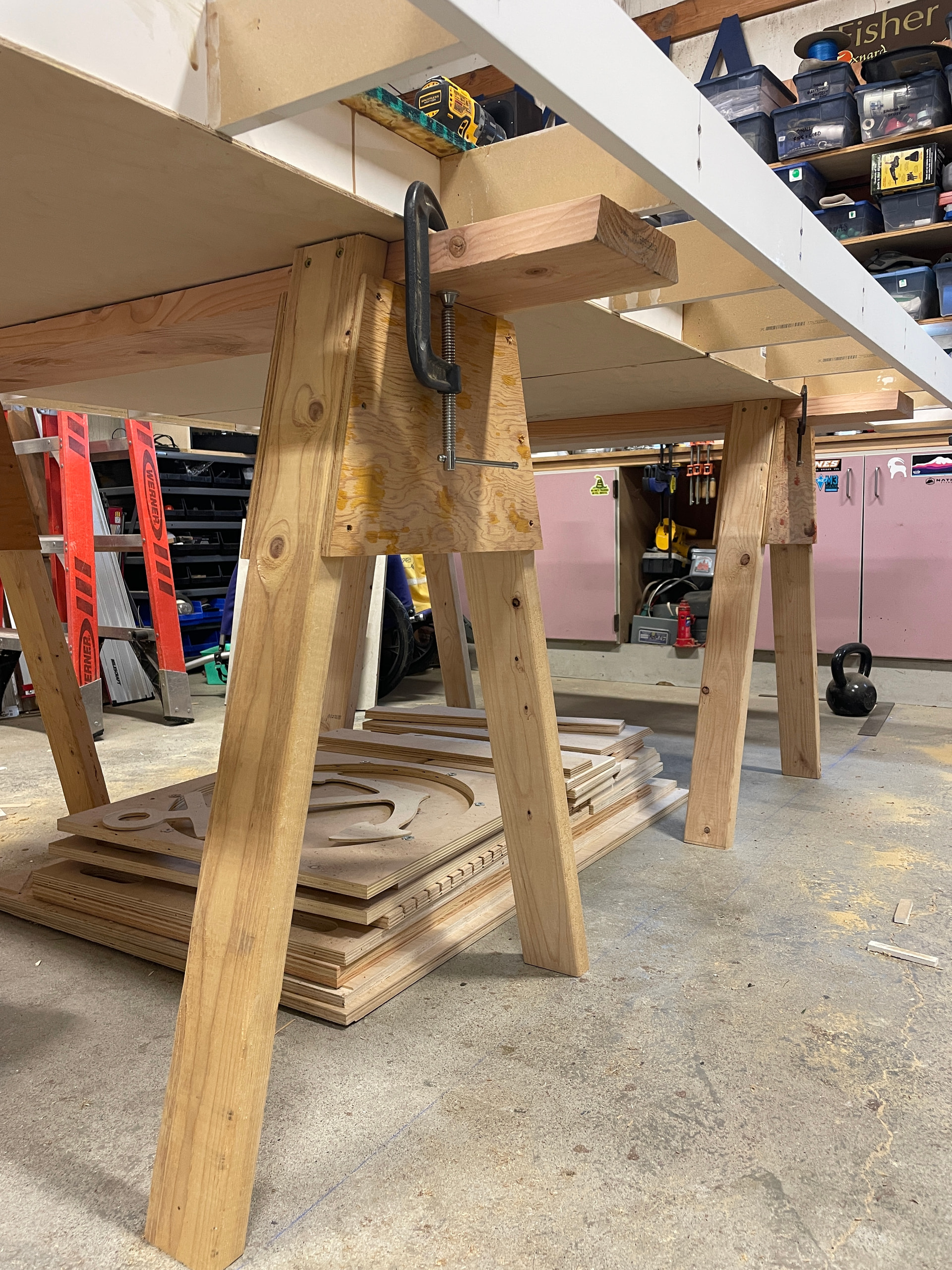
As a hobby woodworker for over fifteen years, I thought that building the table would be the easy part. At first I couldn’t decide on which table I wanted to build and spent way too much time researching the very impressive (but much more complex) folding tables and similar creations shared by very skilled people here on the forums. Once I abandoned plans to build a complex table and decided to go with the table Ryan and others recommend, I still wasted too much time trying to “re-invent the wheel” by coming up with unnecessarily complicated jigs and other distractions. In the end I built a sturdy torsion-box style table using MDF boards with OSB top and saw horse legs, and I’m happy with the result even though there are many imperfections that only I know about and will never speak of publicly. 
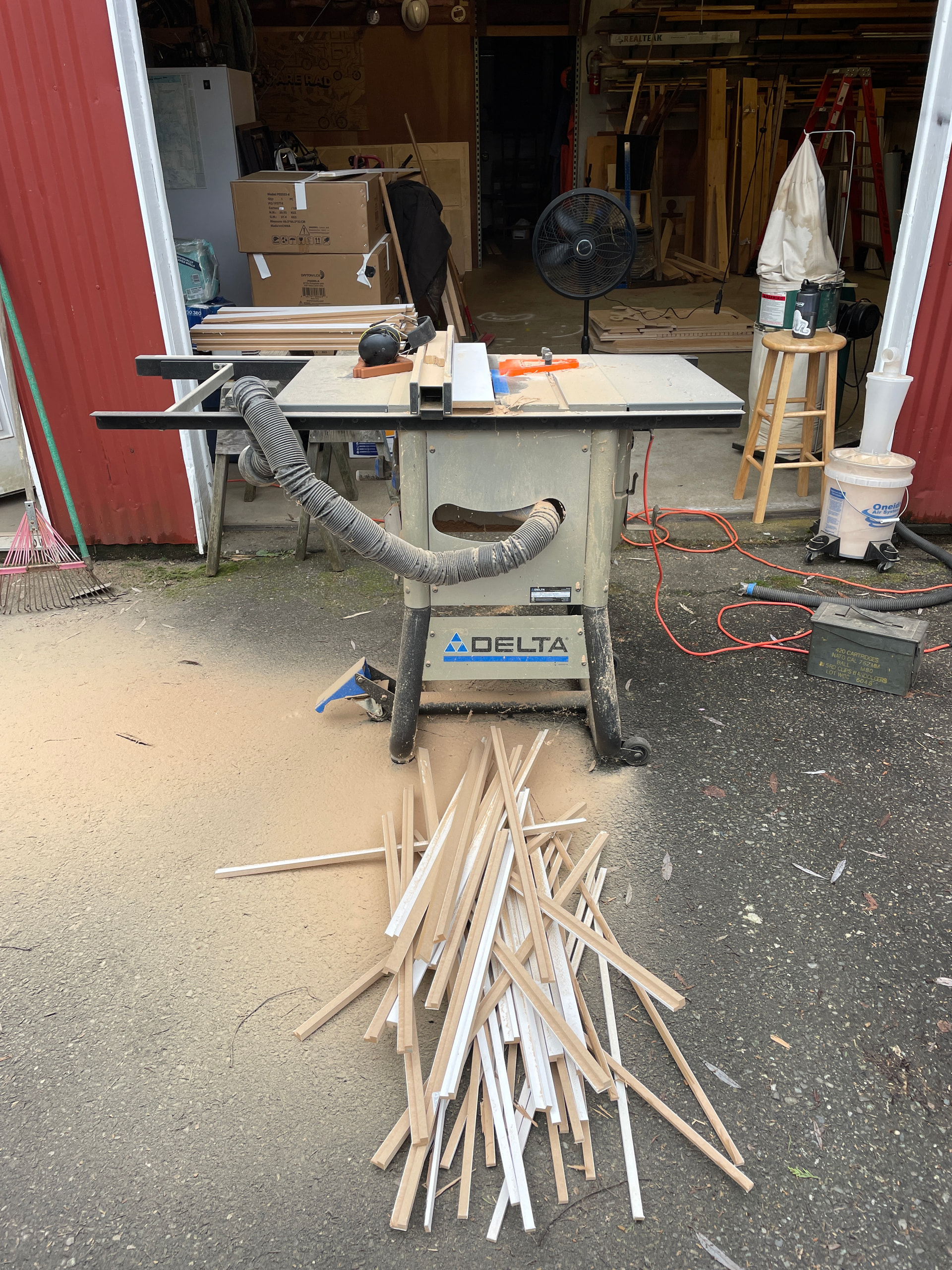
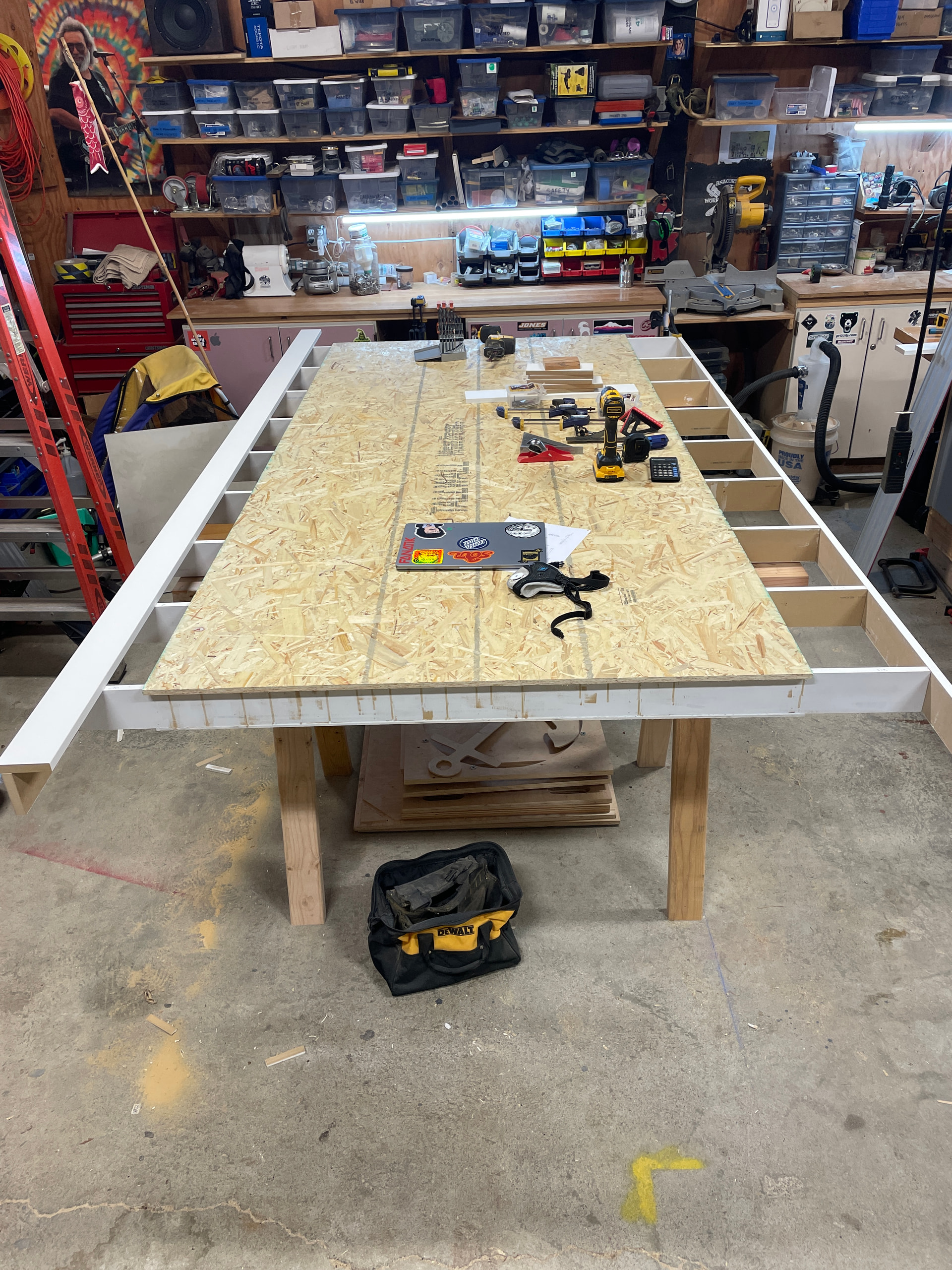
After a few late nights freezing out in the shop I realized that I was suffering from what I call the three too’s (3-2’s) problem. That is: too late, too tired, too many beers. My wife would say that I tend to be a perfectionist, and working late in the shop when I’m tired and had a few beers doesn’t contribute to my best work. Like all good woodworkers I know how to hide my flaws well, and thankfully the end result is within acceptable tolerances.

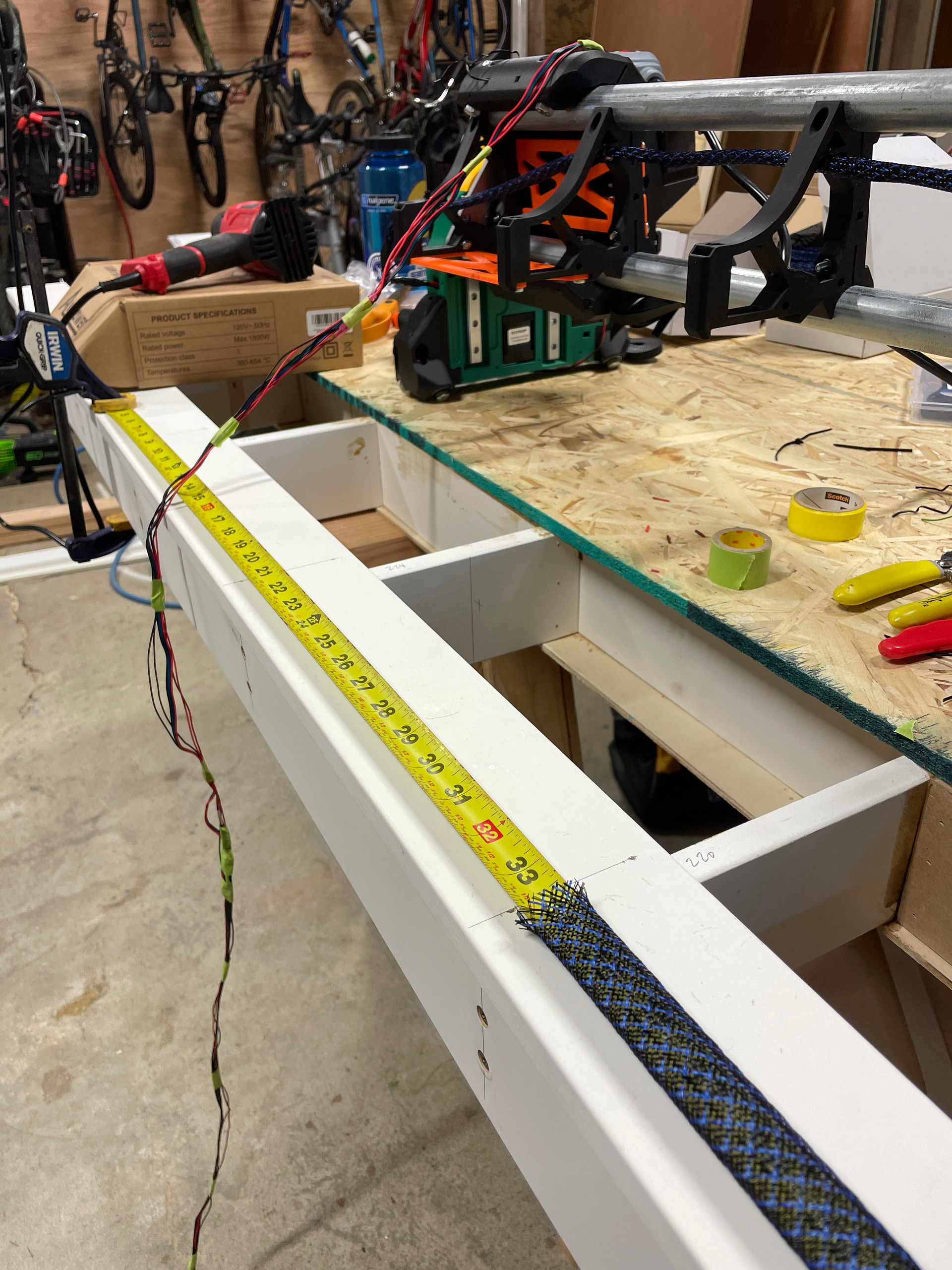
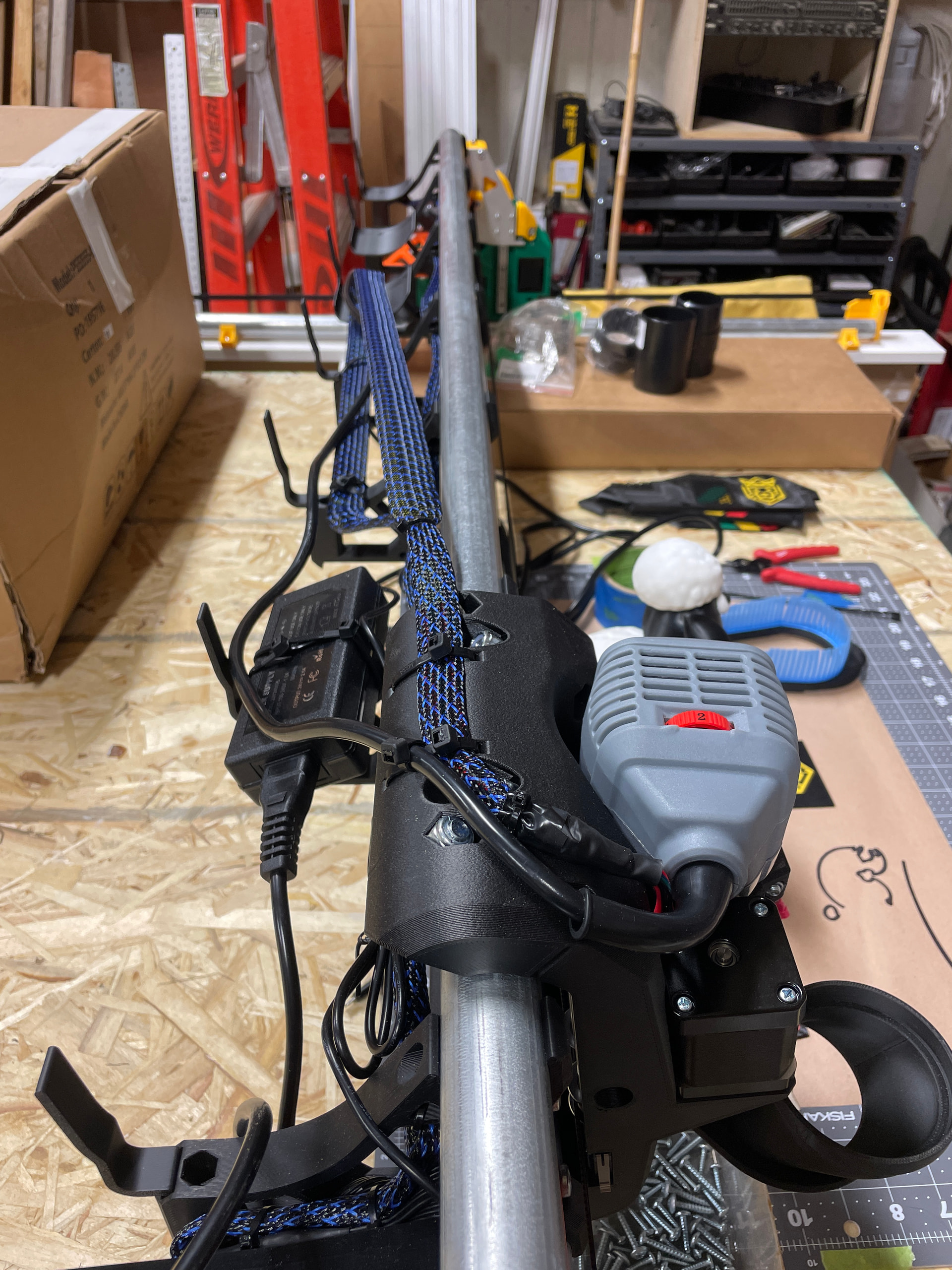
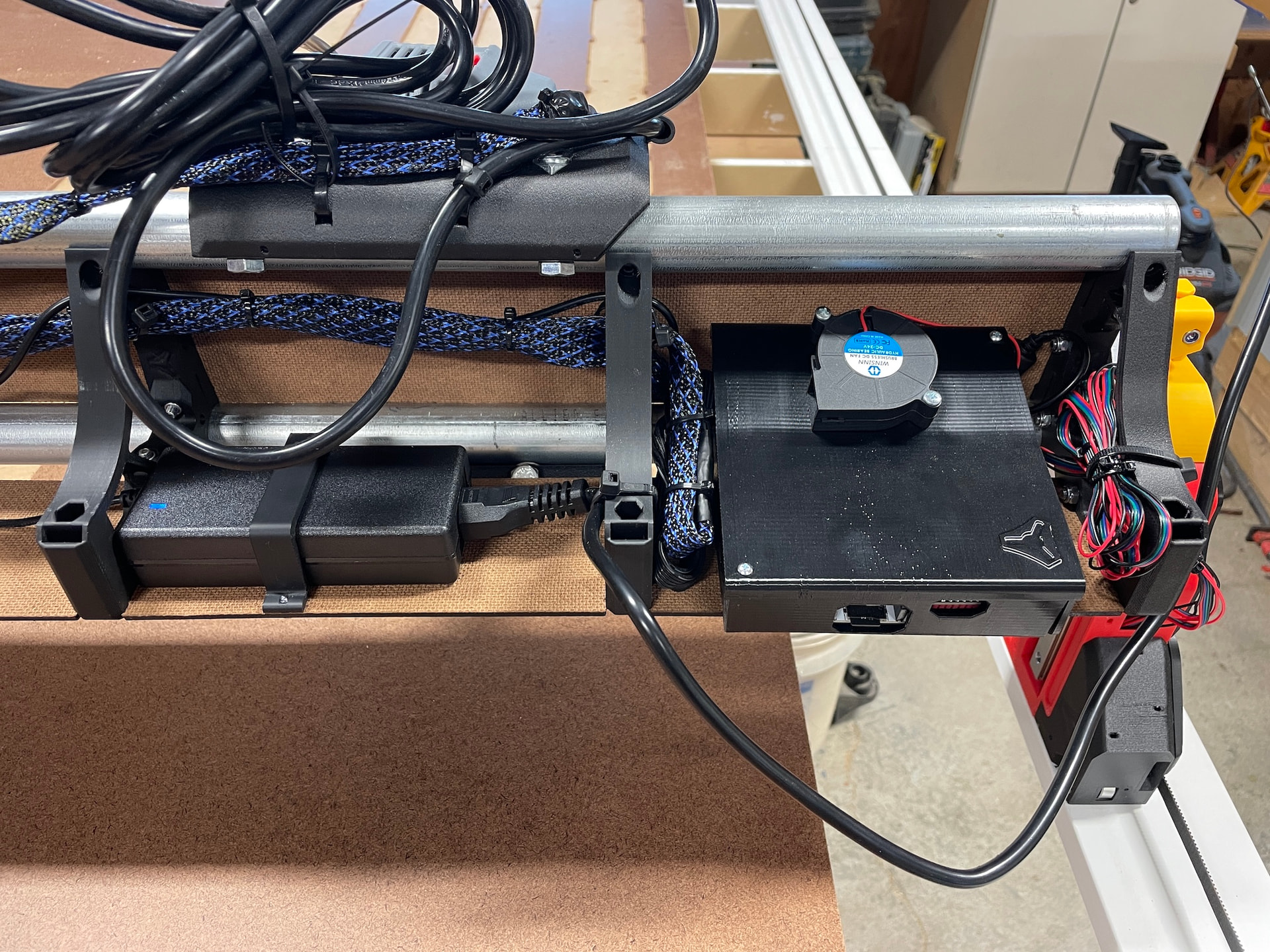
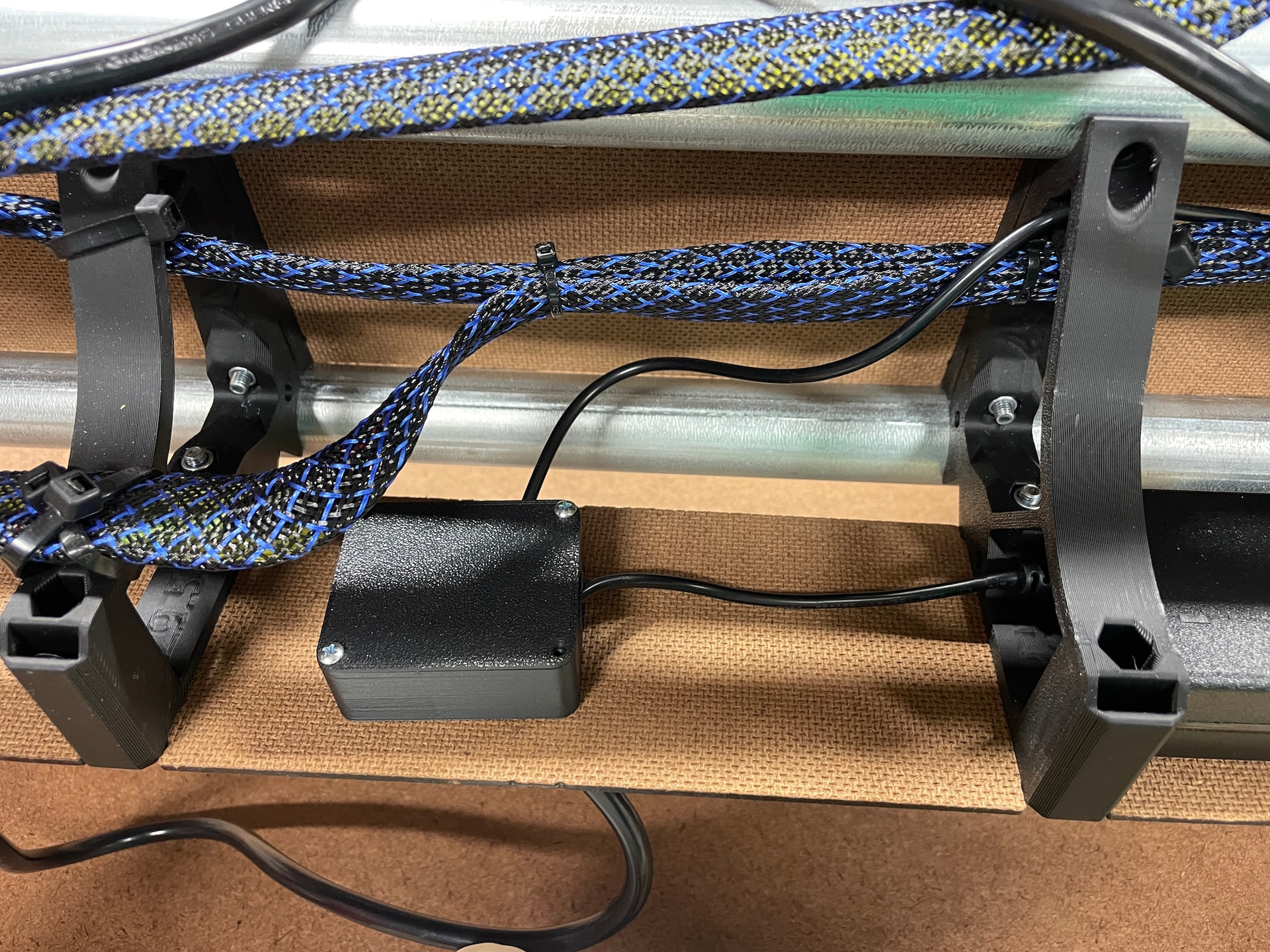
I decided on the “tape measure trick” for cable management. This was my first time using PET sleeve in a project and there are a few places where I could have done better, but generally I’m happy with the results.
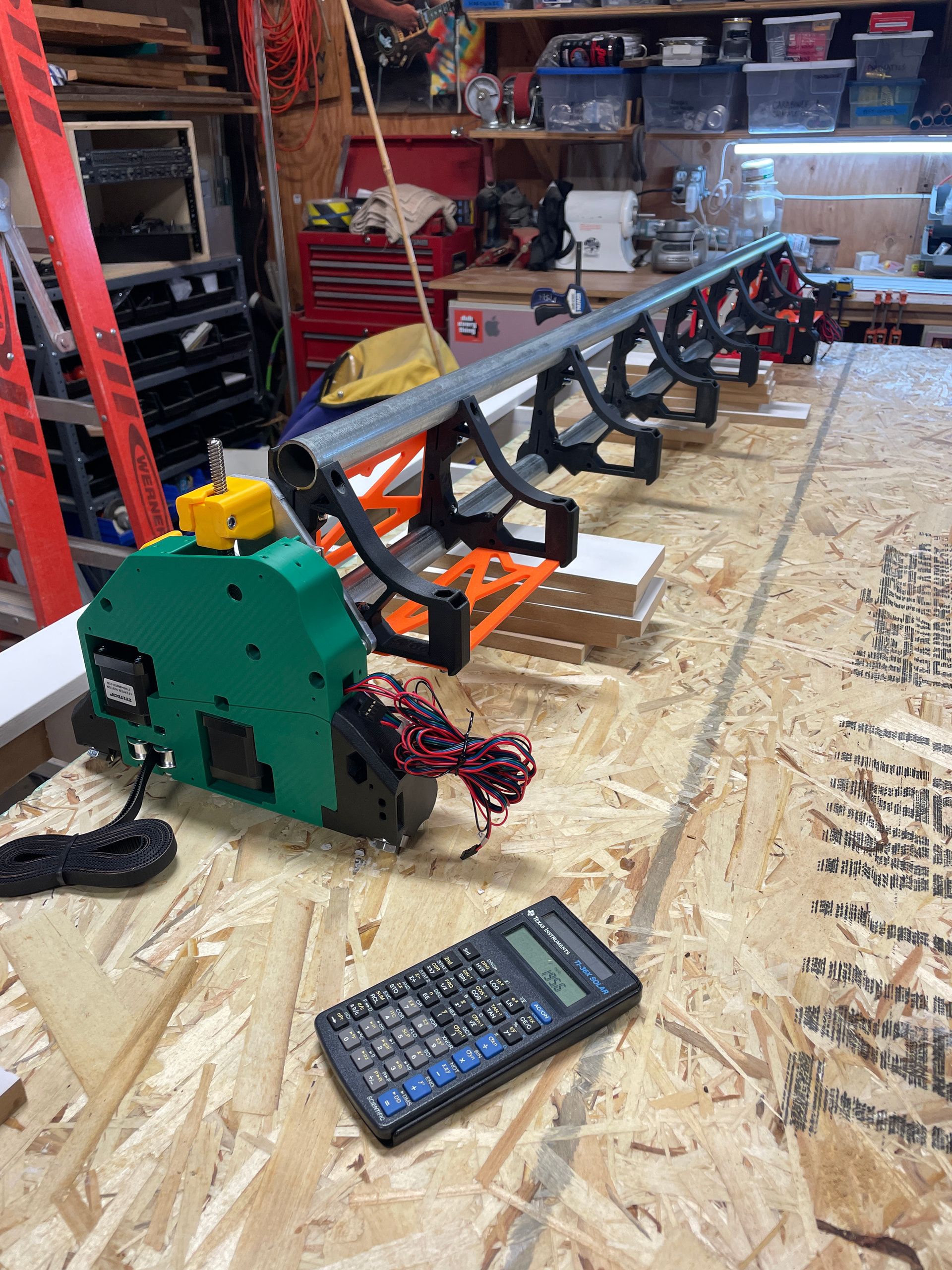
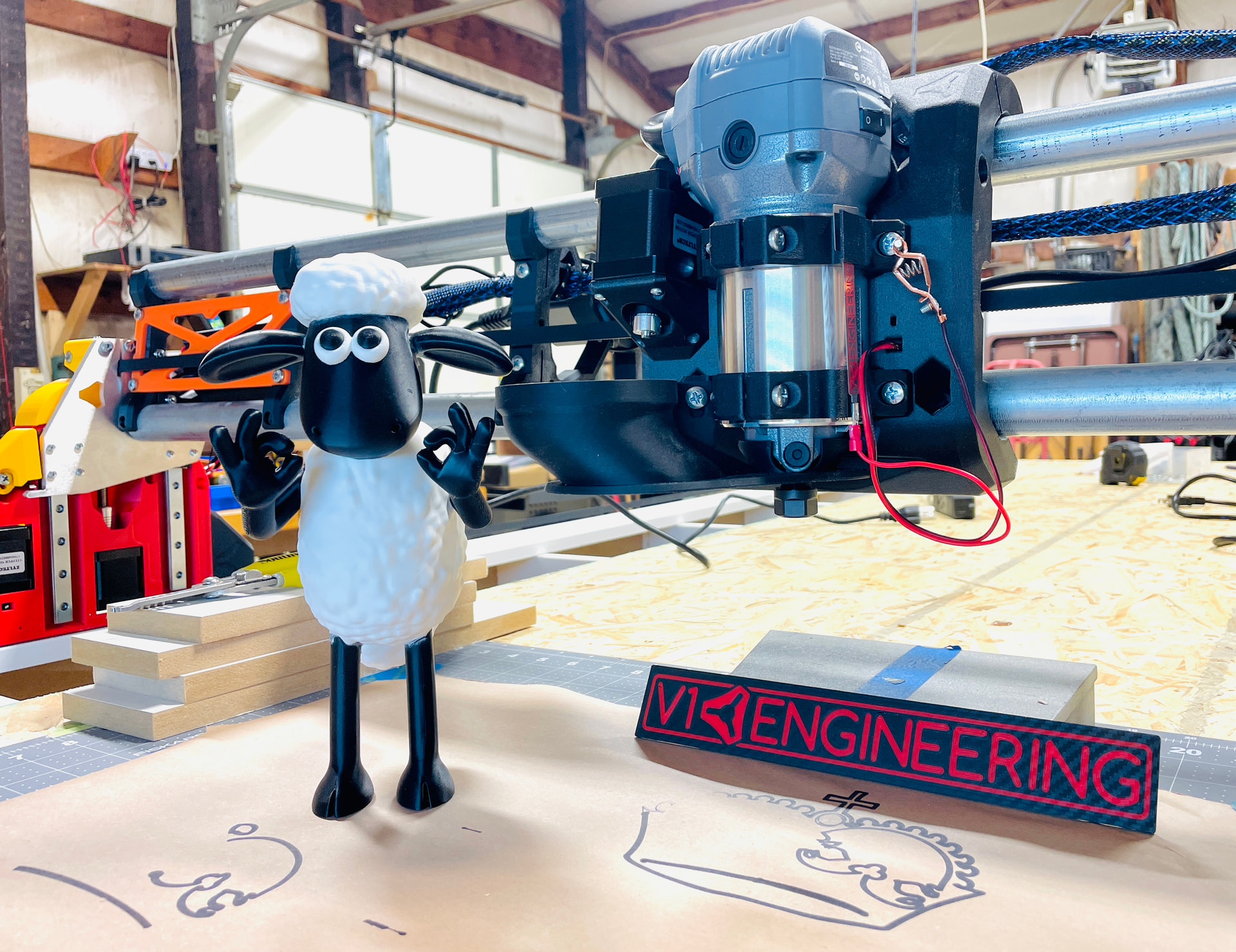
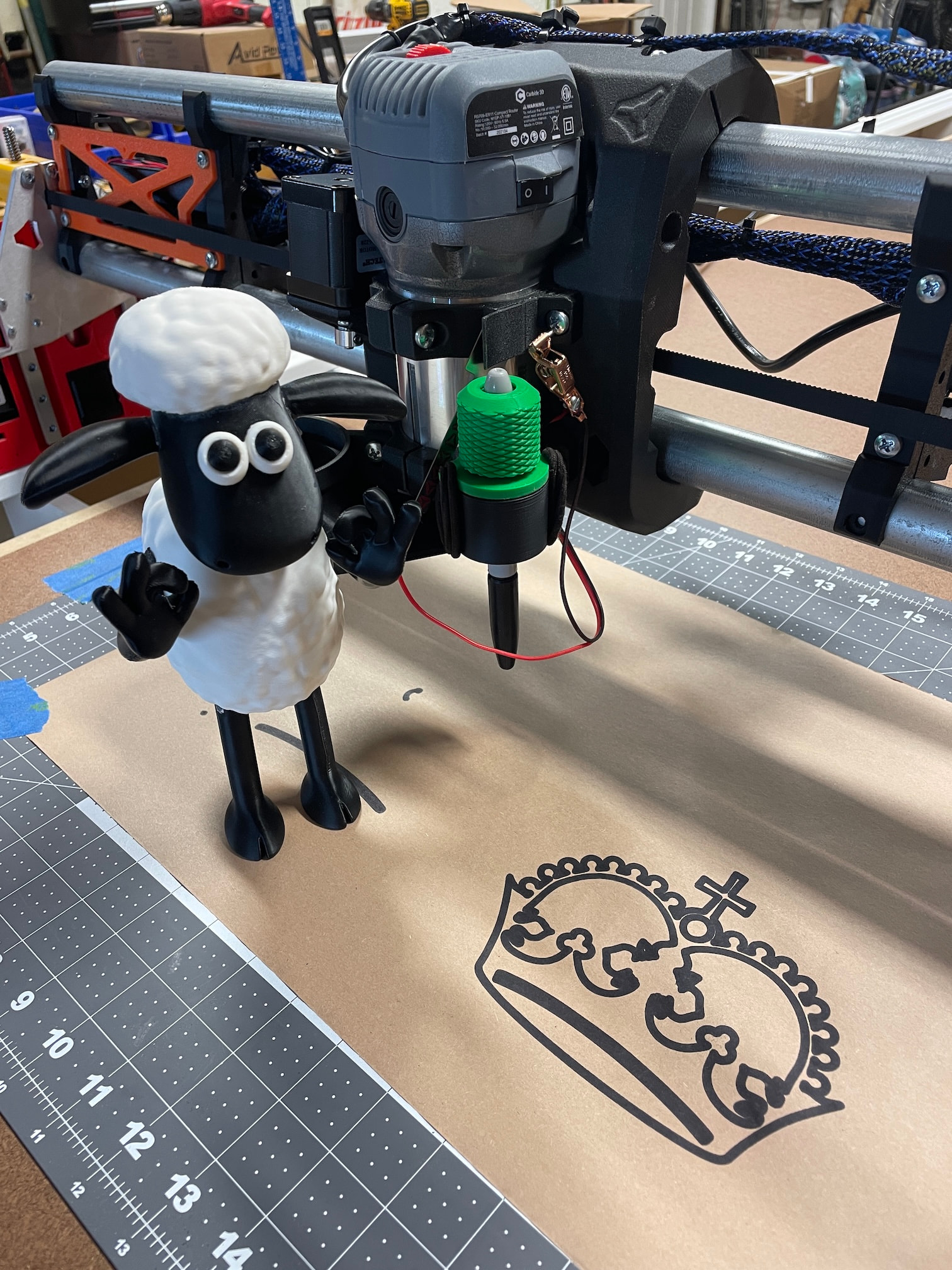
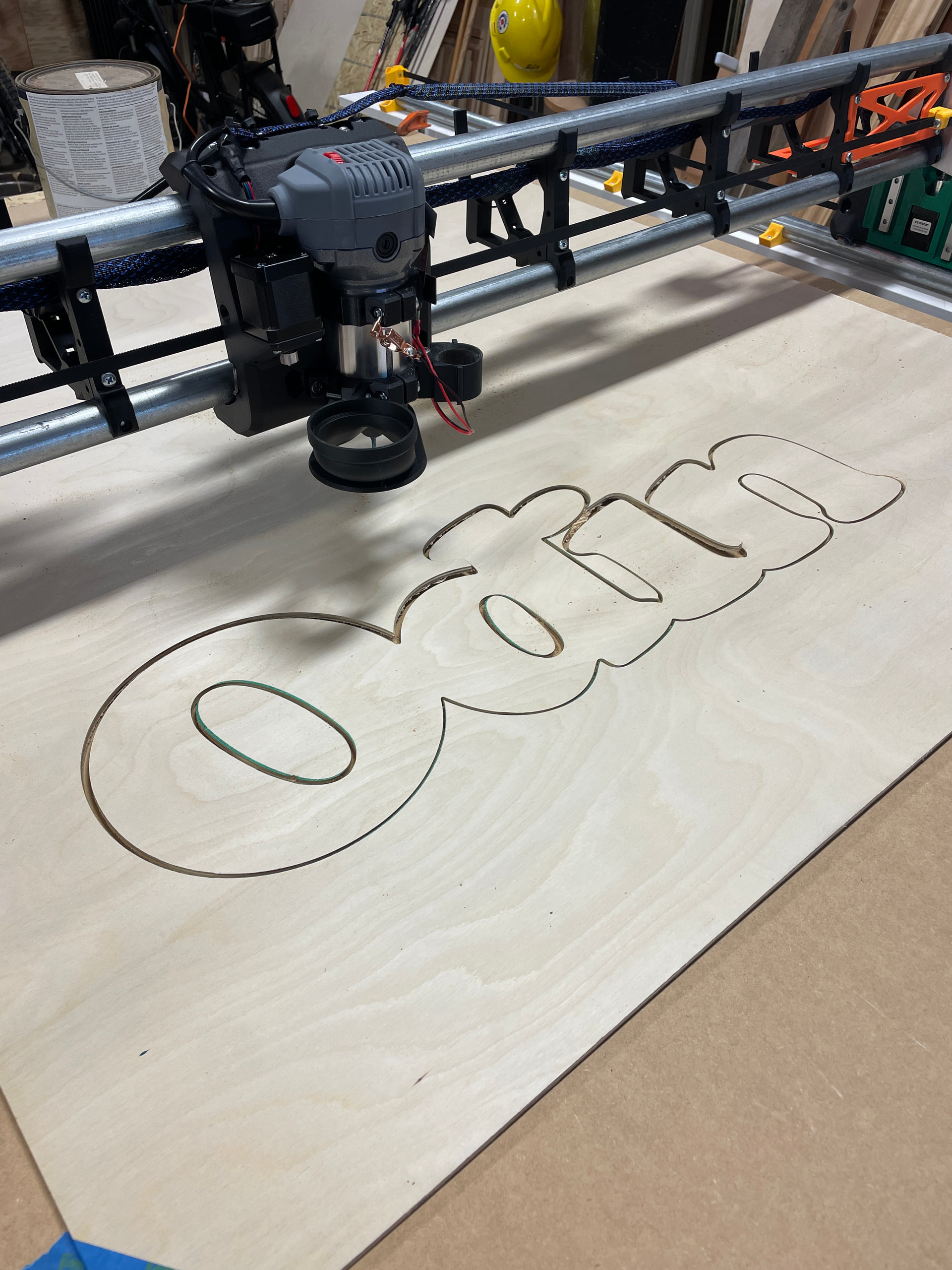
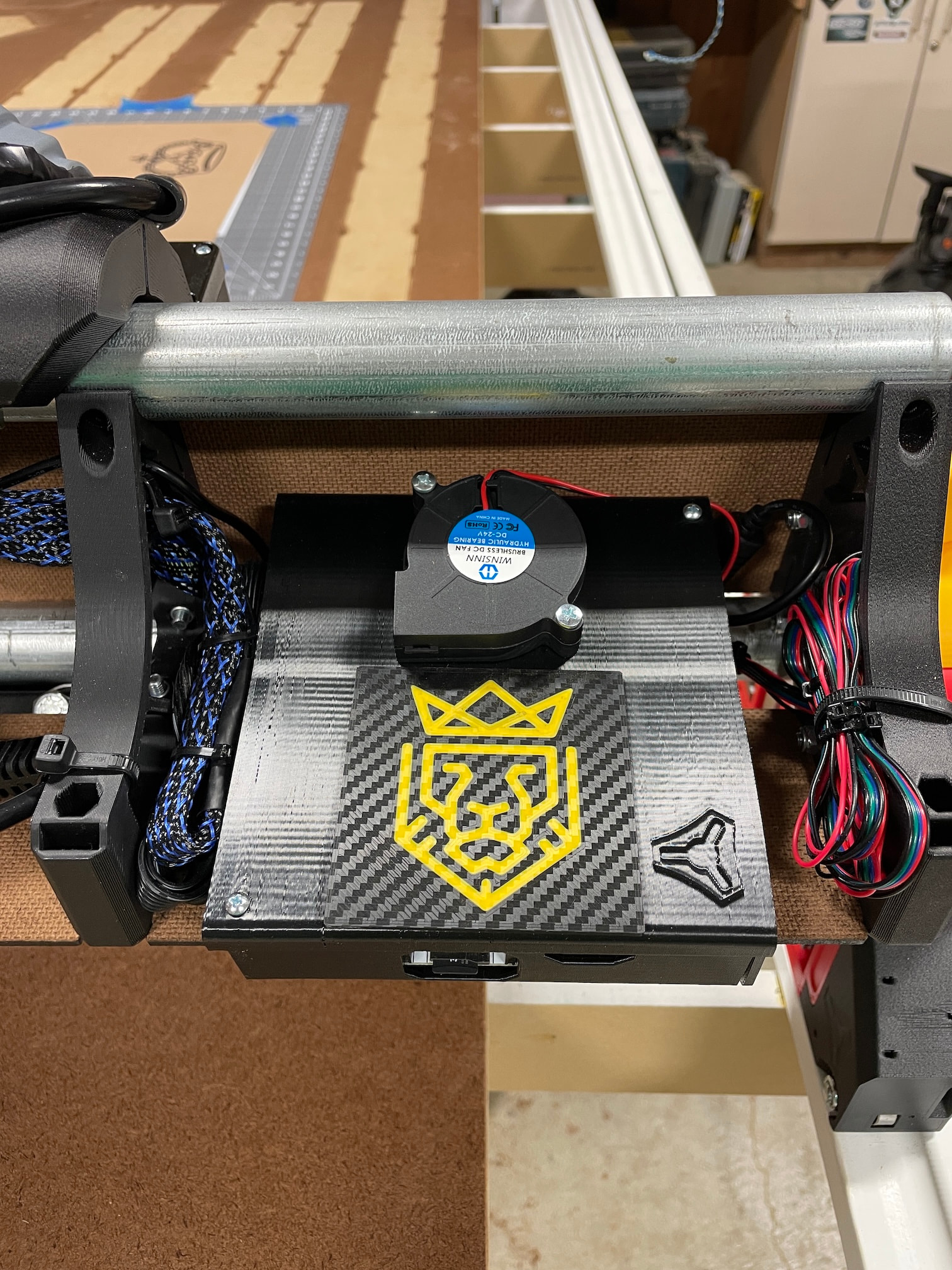
Final assembly went smoothly and I was thrilled to power the machine up, connect via AP and jog the thing around the table. Of course I couldn’t wait to see it draw something…so I skipped ahead a few steps and tried to draw the crown with a sharpie haphazardly taped to the core. It only got most of the way through before the pen fell off, but I was thrilled that this beautiful creation was working! It was time to square and calibrate while I printed a proper pen holder for the accessory mount.
I’ve got more to share…to be continued…