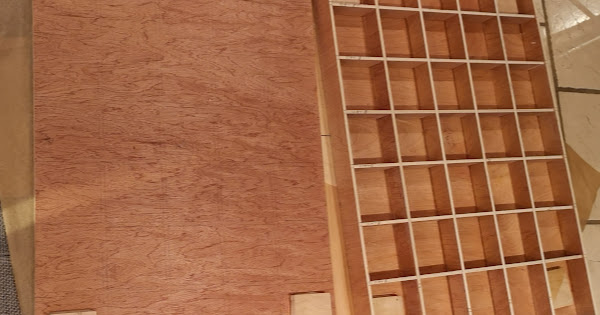
I’m champing at the bit to build a LowRider and to begin the obsession!
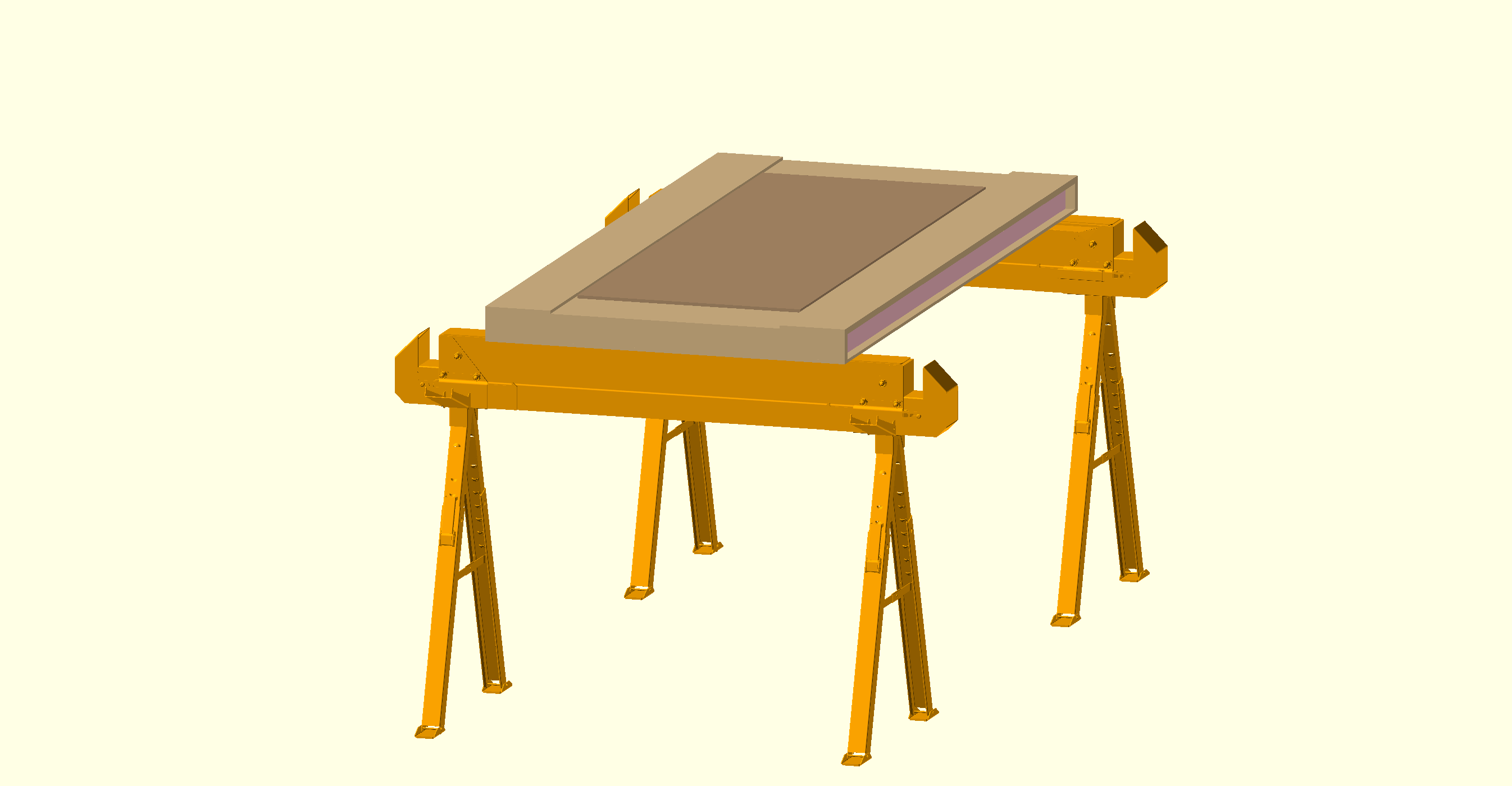
I have unique requirements and so had to come up with my own table design. Since I’ve never done anything like this before I’d like you please to give me feedback and criticism.
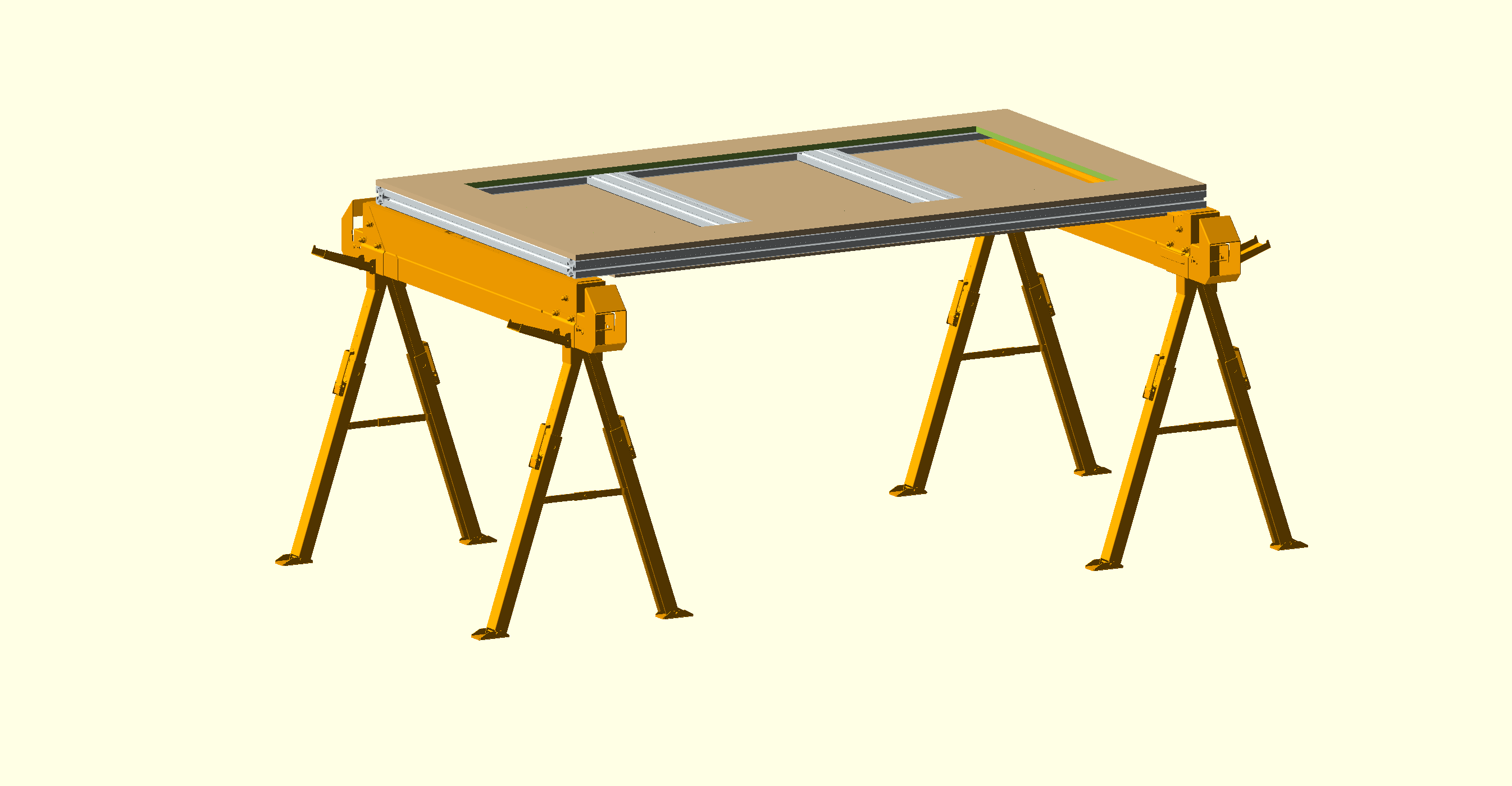
I live in a dense apartment building and running a CNC machine at home is a no-go. I’ve decided to build a 2’ x 4’ LowRider and keep it disassembled in two parts in my car: the table with the rail will go in the roof cargo box and the gantry will live in the trunk.
When I want to use it I’ll drive to a vacant lot in my town that’s under a loud freeway overpass, assemble the LowRider, and keep an eye on it while sitting in my car’s passenger seat doing other work on my laptop.
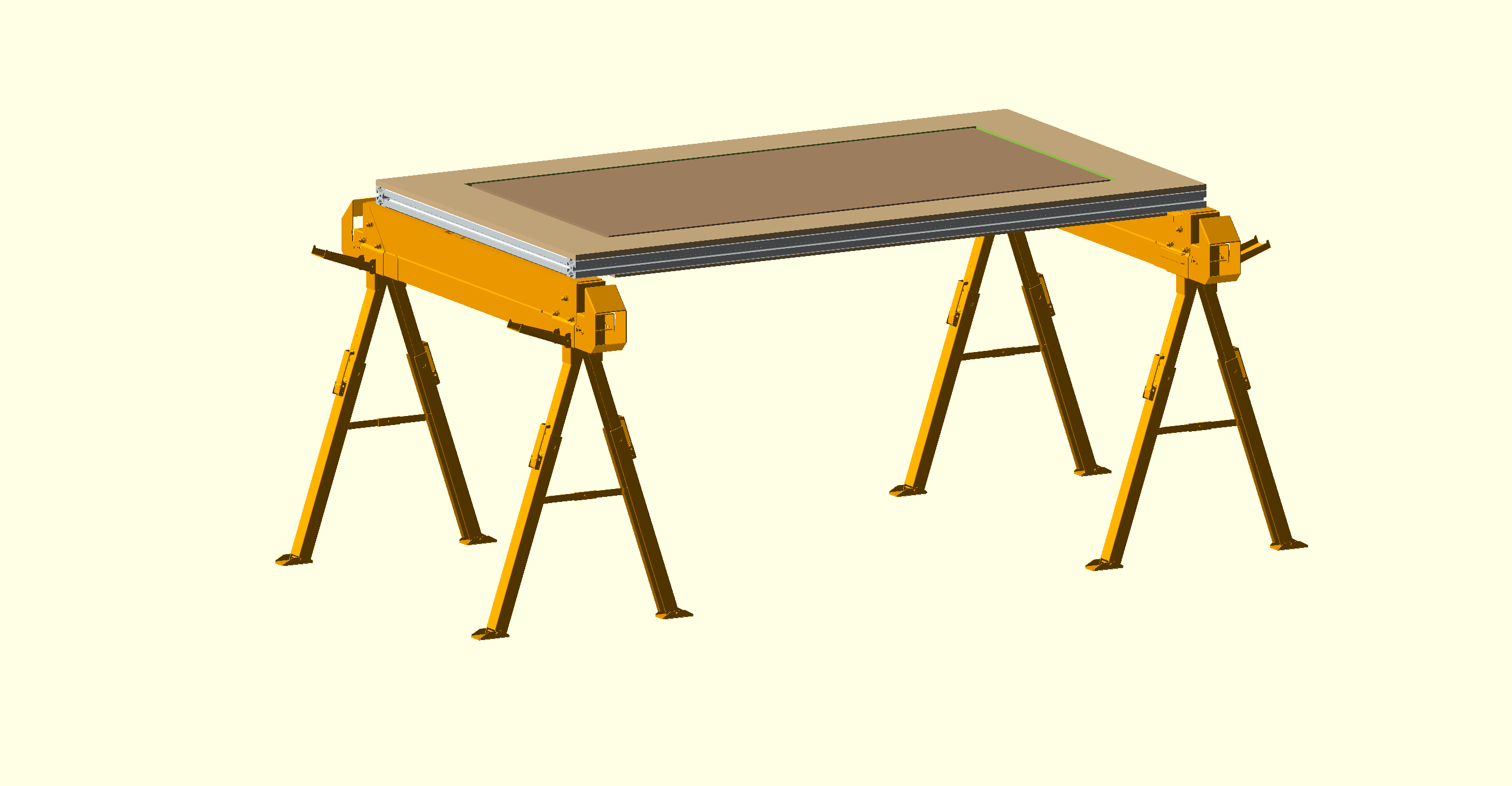
The table has to be lightweight because I’ll be lifting it overhead into my car’s roof cargo box. To achive this I intend to build the frame out of 4040 extruded aluminum. I’ll attach 1/4” plywood for the bottom skin and 1/2” plywood for the top surface with a hole in the middle for a 1/2” MDF spoilboard.
The table will be supported by two sawhorses which I will bolt to the frame every time I assemble it.
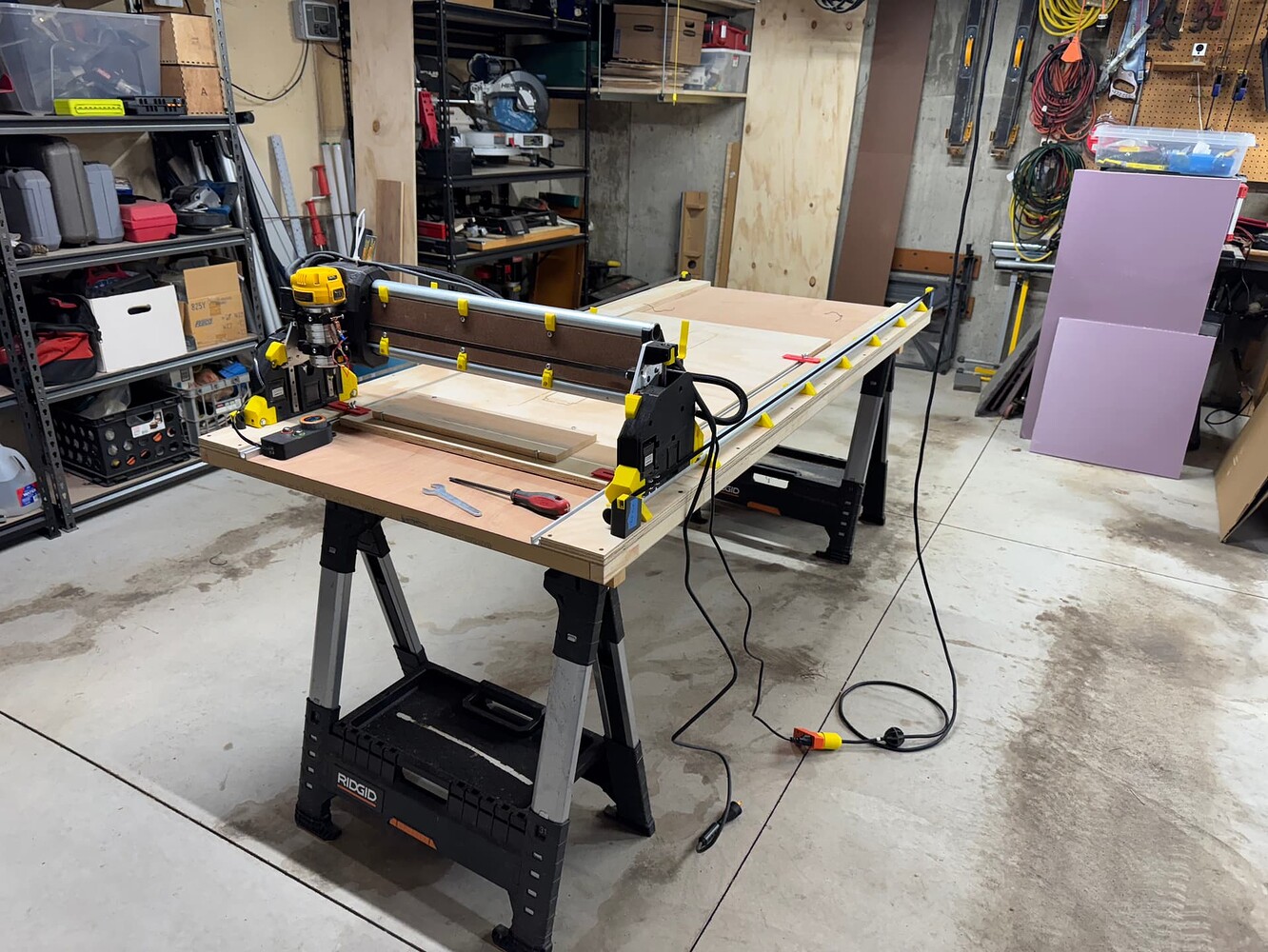
As a new user the forum will let me attach only one image per post so I’ll put the first one here and then add two more in follow-up posts.
Earlier this year, I helped a friend build a very similar surface for LR4 sized to cut 2’ x 4’ materials. We used 5/8" plywood, 2020 extrusion, and 1/4" plywood underneath. The panel fits in his truck bed, but… it’s heavy and bulky, time consuming to haul and setup. One strong person can move it, but 2 people’s ideal (to avoid accidentally knocking belt holders off). Finding ways to minimize setup/teardown time and friction will help increase probability of getting use and joy out of your CNC.
Do you have enough space in your apartment building to create a significantly noise dampening enclosure? This forum has projects and people here that could share ideas/experience if you want to try that. Maybe store stuff above and below the enclosure to maximize space.
Alternatively, got family/friend that would be interested in learning CNC too, and could help make space for your setup?
Depending on projects you’re doing, one “no table” CNC option is Maslow 4.1, there’s pros, cons and different capabilities. Am mentioning incase it’s a good fit for your projects and situation. Cheers!
My first instinct is that you could easily build a light, rigid torsion box for the table by cutting down a cheap hollow core door and gluing a length of packing in the open end.
That would save the cost and mucking around with the aluminium.
My second question though, is “how do you intend to power it”?
I’ve spent rather a lot of time working on picnic tables beside rivers while living on our boat, and we only have a 700W inverter, so all of my power tools for that purpose are chosen based on their max wattage! These days I guess portable power packs are readily available.
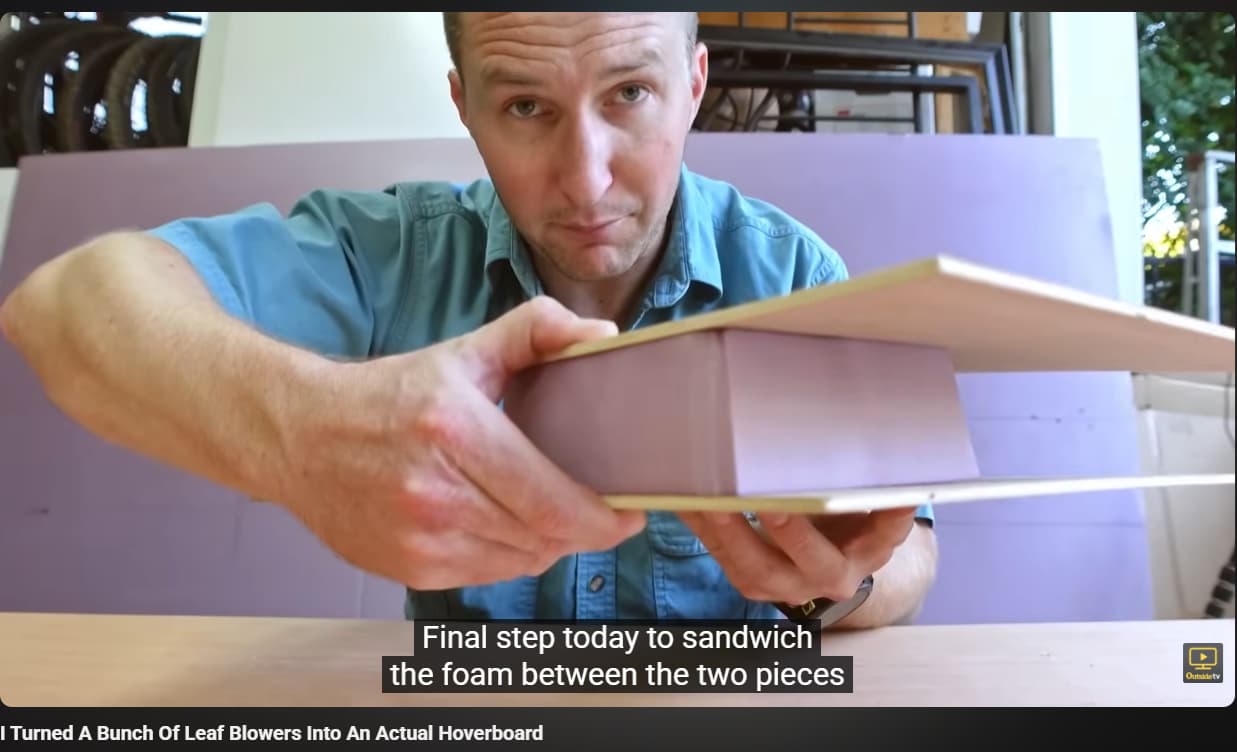
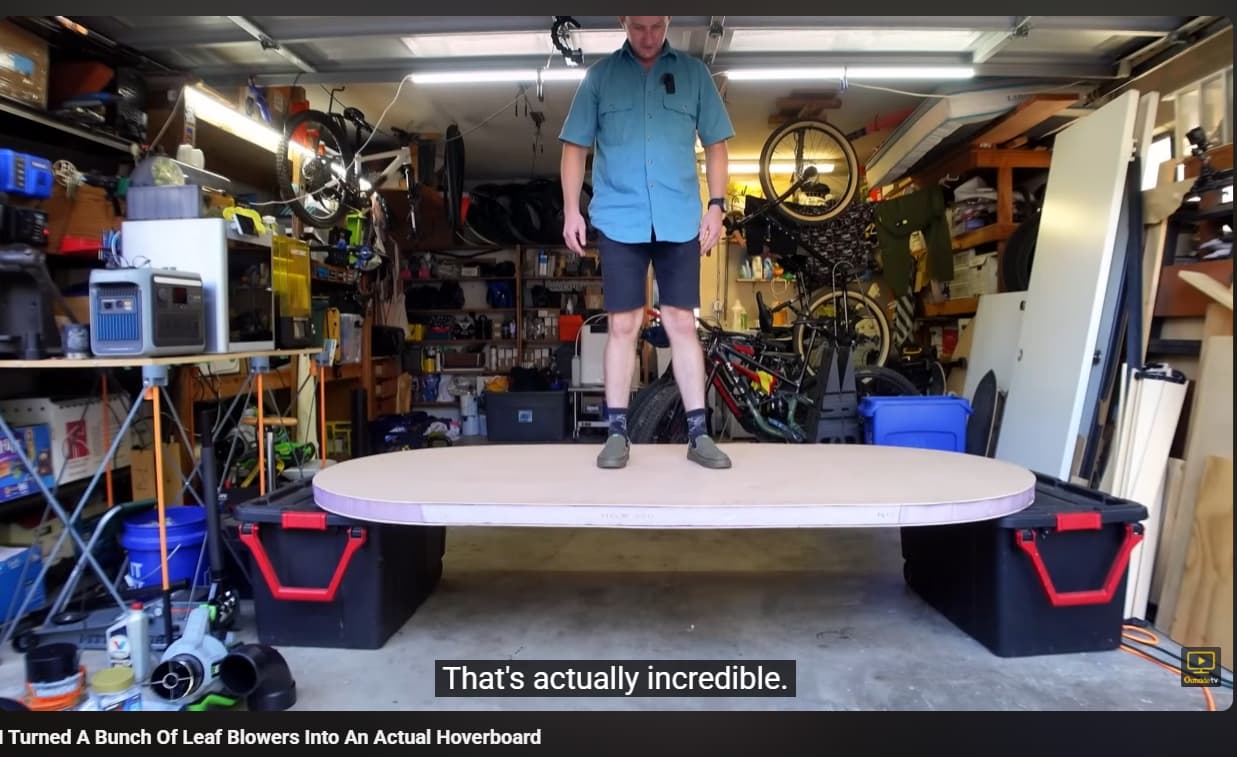
Another option… I have no idea about deflection, hopefully someone that knows Mech stuff will chime in. But, this guy seemed to get unexpectedly great rigidity with sandwich made of 1/4" plywood, 2" XPS foam, and lots of Polyurethane Construction Adhesive (solvent-free)…
Roof rack rails as Y axis rail would be spectacular.
Your table looks like a table… perhaps if you gave us an idea of what you intend to create with your portable Lowrider, people could provide you with the more detailed feedback you seek.
The variables with foam are the adhesive and the foam. Sounds logical I know, but it’s just another version of a torsion box at the end of the day, if foam and glue are cheaper than air where you live go for it!
Seriously - I have built super lightweight cupboards on boat with normal benchtop laminate as the outer skin, but the foam was proper core foam and the glue in those cases was epoxy.
Coolroom bonded panels are another example.
Actually your big box hardware stores probably have a kitchen bench panel or table top (Ikea certainly does) which would do the job without any mucking around.
This is one of the options that I have thought about doing for my table when I get to it. I was thinking about 4 inch foam with 1/2 inch ply, which would be significantly stronger than what this guy built. However, his results look like 2 inch and 1/4 inch are strong enough.
The other option I have been mulling is using a steel or fiberglass exterior door as the table. I plan on starting with a 4x2 ish build.
I’m keeping an eye on craigslist hoping a nice 36 inch exterior door shows up.
What an amazing community! Thank you all for taking the time to consider my situation and to offer your thoughts.
I cut a piece of plywood today to see if it would fit into my car’s cargo box and it turns out I was a little too exuberant about how much width would fit. I now think I can fit only about 30” which means my LowRider will have a cutting area of 1.5’ x 4’. That’s not as exciting as a full quarter sheet of plywood but is still good enough for how I want to use it.
Good to know! I need to be able to move it myself and I’m with you 100% on reducing friction. Back to the drawing board I go!
I thought about it and I’ve read up on other people’s experiences. I’ve learned from them that it’s a lot of work to get right. I don’t really have enough space in my apartment and I’m scared about the fire risk—a lot of dust in an enclosed space is a hazard if not handled properly.
It’s something I might consider in the future but right now I feel like I have enough time to build a LowRider but not enough time to do justice to an enclosure properly. Of course, having a working LowRider would make it easier to make such an enclosure in the future.
That would be amazing but I live near NYC and the people I know here are also short on space.
Yes, I took a hard look at Maslow (and even ordered it before changing my mind). It’s small in size, which is wonderful for taking it somewhere outdoors, but it does require a much larger space than the LowRider for either a frame or for anchor points somewhat permanently in the ground. It’s also not as mature as LowRider and at this point in my life I need a machine that I have confidence in.
Interesting idea! In fact, someone has done that (search for LR4 Build in Golden, CO)!
I dug into this idea a bit and learned that hollow-core doors are designed for economy and lightness but not rigidity.
I have two portable power stations with a combined capacity of 2,900Wh. Assuming ~800W of draw from LowRider I figure that should give me about 3.5 hours per work session.
Ooo! I think this is the answer! Thanks for sharing that with me!
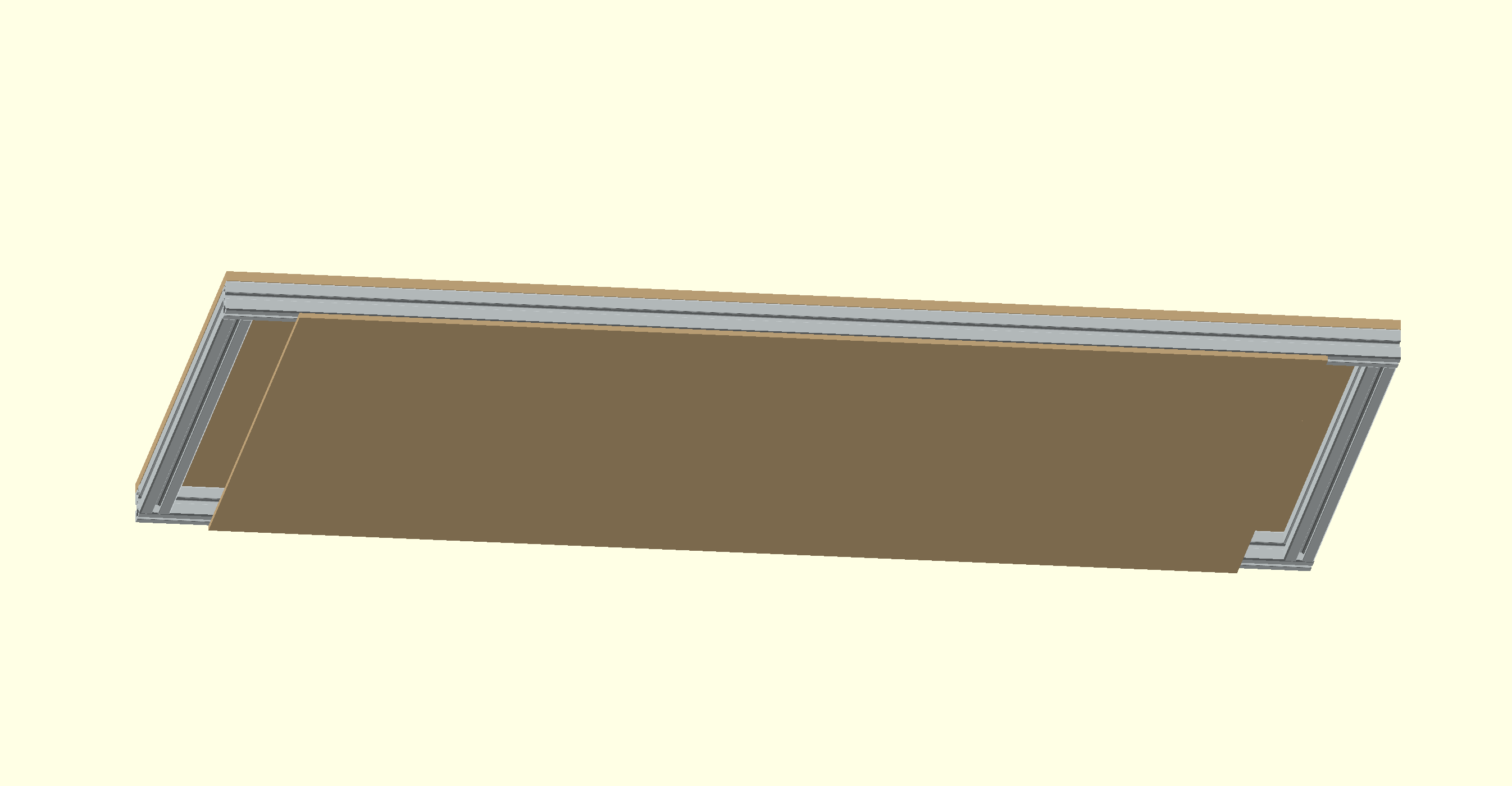
The aluminum extrusion has been replaced with 2” of foam board sandwiched between two 1/4” pieces of plywood (just like in the YouTube video). For a torsion box we also need structure on the sides so I will fill those in with 3/4” plywood strips that go between the top and bottom skins (the right side in the render is omitted to show the foam).
Of course, I should have done that in the beginning.
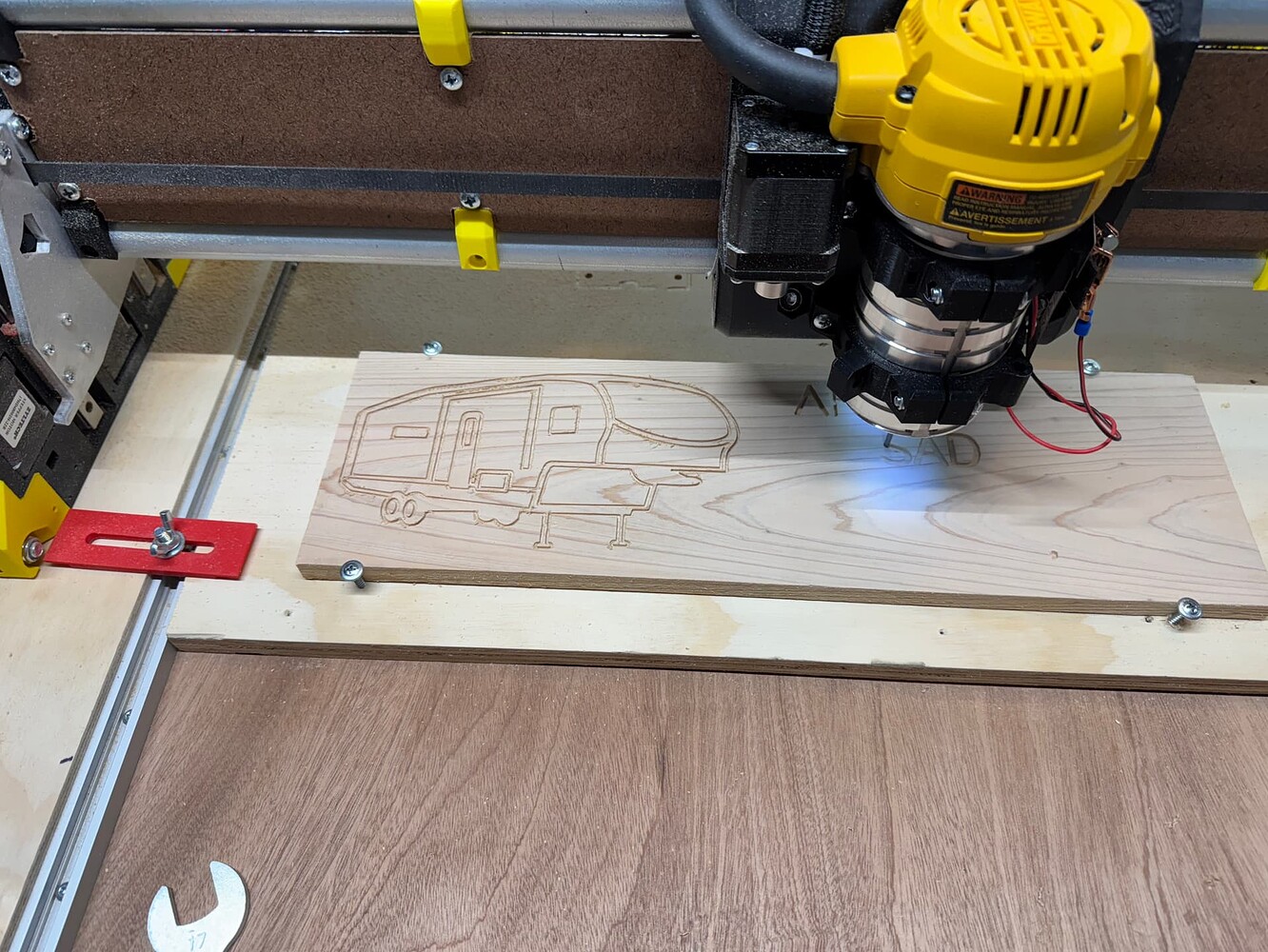
I intend to create 100 of Alexandre Chappel’s Assortment Cases (you can search for it on YouTube; I’m not allowed to post links here yet) and some of his Assortment Case Carts, both for organizing my home. I also have a vision of using CNC to put art back into furniture, taking advantage of automation to do engravings, various styles (Baroque, Chinoiserie, Neoclassicism, Art Nouveau, Louis XV, Louis XVI, Jugendstil, Rococo, etc.). Patterns like this one make my heart sing:
I wish to escape the blandness of 2025 and have my home hearken back to a time when people put art into their everyday things. I can’t afford to do it by hand but a machine like the LowRider changes the economics of what’s feasibile.
I couldn’t find anything small (30” x 61”) and lightweight that wouldn’t require a fair amount of modification. Are you aware of anything specific?
ChatGPT is of the opinion that 2 inches is ideal and any more would provide only diminishing returns.
Your projects sound interesting. Neat seeing more elaborate designs/art integrated into CNC cut furniture.
Some other options (for now or future…). Am wondering if laser module would be quiet enough for apartment use, and good way to get stuck into etching and shallow engraving projects. Would want ventilation though. Also, water cooled spindles running at low RPMs seem relatively quieter than normal trim routers, and Dewalt has a muffled Shop Vac which is noticeably quieter than my old Rigid shop vac.
I recall NYC having multiple Maker spaces. Could be a good place to drive to and setup your CNC on the street, and/or their space to meet like minded folks. Personally would love to check out Adafruit’s headquarters.
Personally want to run my CNC from truck bed using a lighter surface than my existing plywood+ 2"x4" torsion’sh box. So, am curious if Plywood-XPS sandwich works out for you, am still hoping mech engineers chime in about deflection, and/or suggestions on how to get secure fixture and mounting to the Plywood-XPS sandwich. Bolts and fender washers maybe to avoid crushing?
I made a Portable Primo MPCNC, and it is mounted on a very stiff, light torsion box. Below i link a photo album of the making of the torsion box base. Be sure to look at the info captions.
I used 9mm plywood. If I wanted to lift it into a roof box, I would use even thinner plywood, like 6mm or even 3mm laser birch plywood.
Another idea is to look at how surfboards are made. They are very stiff and light: dense foam coated with crossed layers of fiberglass.
Yes a laser would be quiet enough and for quite a while I thought this would be my solution before switching my focus to the LowRider. Here’s what I learned:
Laser cutters are capable enough to do woodworking for my use case (similar to cabinet making).
The machines that are capable enough use CO2 to generate the laser wavelength which is absorbed well by wood. These machines weigh 100 lbs or more and most of them are quite large. The smaller ones could fit in someone else’s home but not in my cramped apartment.
Another class of machines use diodes to generate the laser. They weigh less (~50 lbs) and are smaller—just the right size for my apartment. Unfortunately the wavelength generated by diodes is not ideal for absorbtion by wood and can get into trouble with the glues found in plywood. They also char edges and I don’t like that look. The marketing claims make them seem as capable as the CO2 machines but the truth is they’re not; they’re limited to cutting ~1/4” of plywood and owners say they have to use special laser-ready plywood that’s free of problematic glues and knots. This plywood can cost almost twice as much as regular plywood.
There are serious safety and fume extraction needs but these have been handled by market leaders such as xTool with the enclosed S1 cutter paired with their automatic fire detector/extinguisher and AP2 air purifier.
The xTool product I was going to buy has a usable cutting area of 12” x 18” but I have my heart set on making panels at least 12” x 24” so I would have had to make compromises in my designs.
It does! I joined one that has a Shopbot PRS 10216 CNC and did some experiments with it but gave up because the travel time to get there was too onerous.
Cool, I didn’t realize Adafruit is in Brooklyn!!
I’ll be sure to document my results!
ChatGPT thinks a plywood-XPS sandwich would be outstanding for handling deflection.
Regarding the mounting I think the challenge will be similar to the one faced and solved by @marks in his hollow-core door build (LR4 Build in Golden, CO) so I plan to replicate his solution.