I’m returning to the LR4 build and thinking about strut plates. I know the standard procedure is to assemble the machine using printed struts, and then cut the final plates out of hardboard or MDF. But I’m thinking of just ordering the plates from SendCutSend instead. I know, I’m lazy, but it won’t cost that much and I have limited hands-on project time these days.
Anyway, with the ability to choose nearly any material, is there any reason not to go with metal strut plates? Specifically I was thinking that 1/8” (3.175 mm) 5052 aluminum could be a good tradeoff between stiffness, weight, and cost. Has anyone gone down this road, and did it work out for you? Is there anything special I need to do when I generate the designs? I got the OpenSCAD strut generator to output a DXF so we’re good there.
The specs are fine, but technically it’s against the license, since the LR is non-commercial, so no one but Ryan and the licensed partners (that pay royalties to him) are allowed to make money with it.
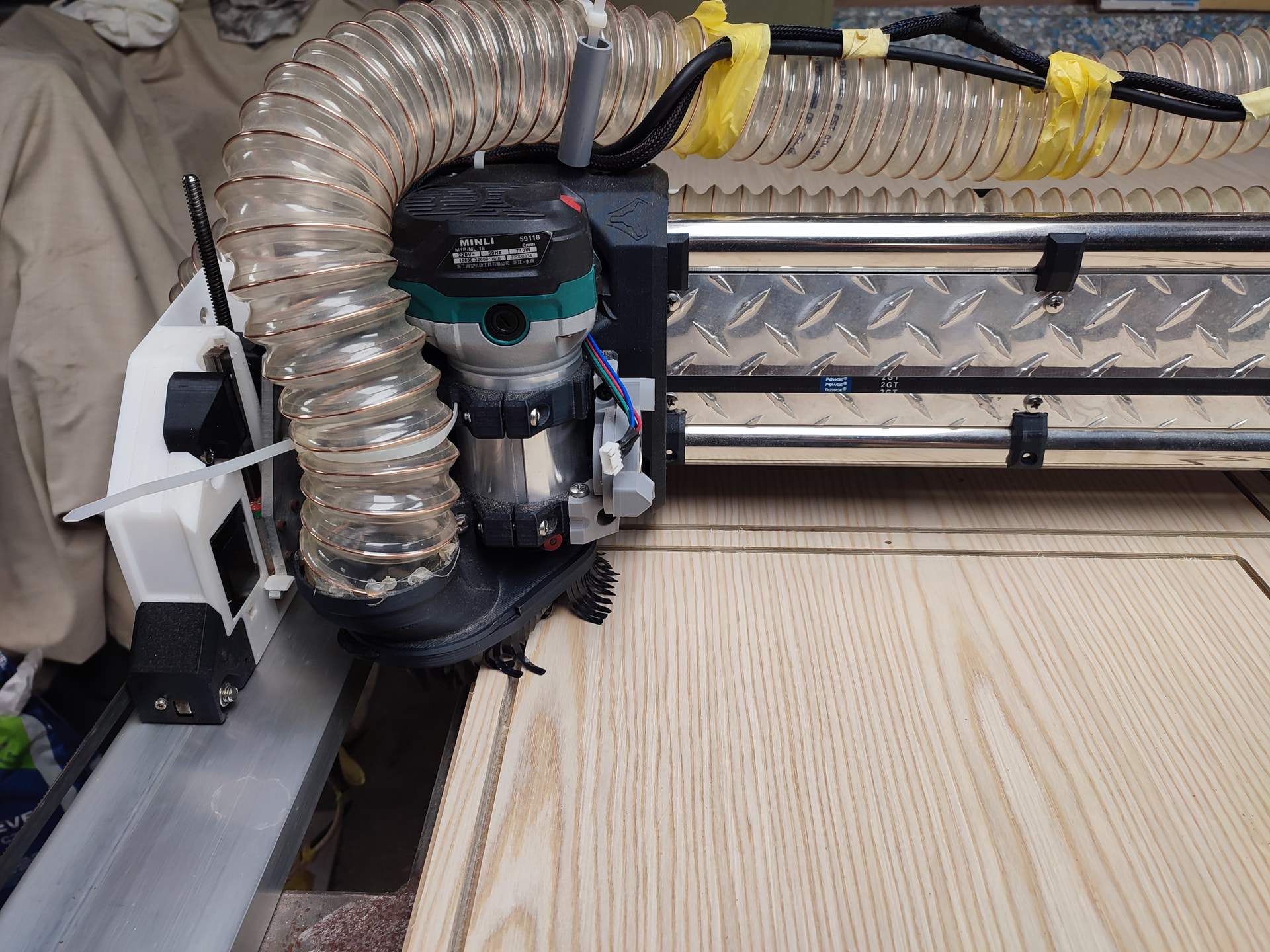
I’ve cut my ones out of aluminum checker plate while still using temporary strut plates. my one is full sheet size machine
I can’t remember the exact cut parameters but something like 3mm single flute end mill 0.1mm depth of cut and high feed like 2000mm/min. the trick is to move as fast as possible with the very low depth of cut to keep cutting forces low but still create chip. also position the plate close and parallel to y rail
that was surprisingly easy but slow because i had to do like 30 passes.
replacing of the temporary struts with permanent ones were a pain but the time that you spend on it is negligible compared to the time needed to get the machine and CAM going and to be comfortable with it
So far as sendcutsend is concerned, do the strut plates count? This seems like a grey area.
Cutting the XZ plates is defintiely against the license, as those are directly designed. 3D printed parts as well, getting those done by a commercial outfit and paying for them is no good, but the strut plates seem kind of grey area to me. The ends have to be to spec, but the overall length and brace spacing, “wing” size and the like are more fluid. I’d just cut my own, well, exactly as I actually did though.
Odd weekend… All I could think of was Tim Curry in spikes instead of rhinestones. That elevator intro would hit a little different if those stacked heels were black with chrome spikes instead of white with rhinestones… And they’d probably have to change Eddie’s character a bit.
yes. 31.8x1.5mm stainless. there is no metal conduit available in NZ and everything rusts over winter so stainless is good
i have a steel welded frame under the spoilboard and aluminum rails on both sides. Aluminum rails are nice because they are flat. not sure that the metal frame was worth it. It was a bit of work to cut and weld it. so cannot recommend it to everybody
fletcher steel do a furniture tube, which if remember it is 31.8 , after 2 yrs only just getting slight surface rust now , the stainless does look cool though
one thing i noticed with over head hose it can effect tramming , i designed this to stop it pulling on bottom of dust shoe , cable ties into existing slots on core , than couple cable tops around hose