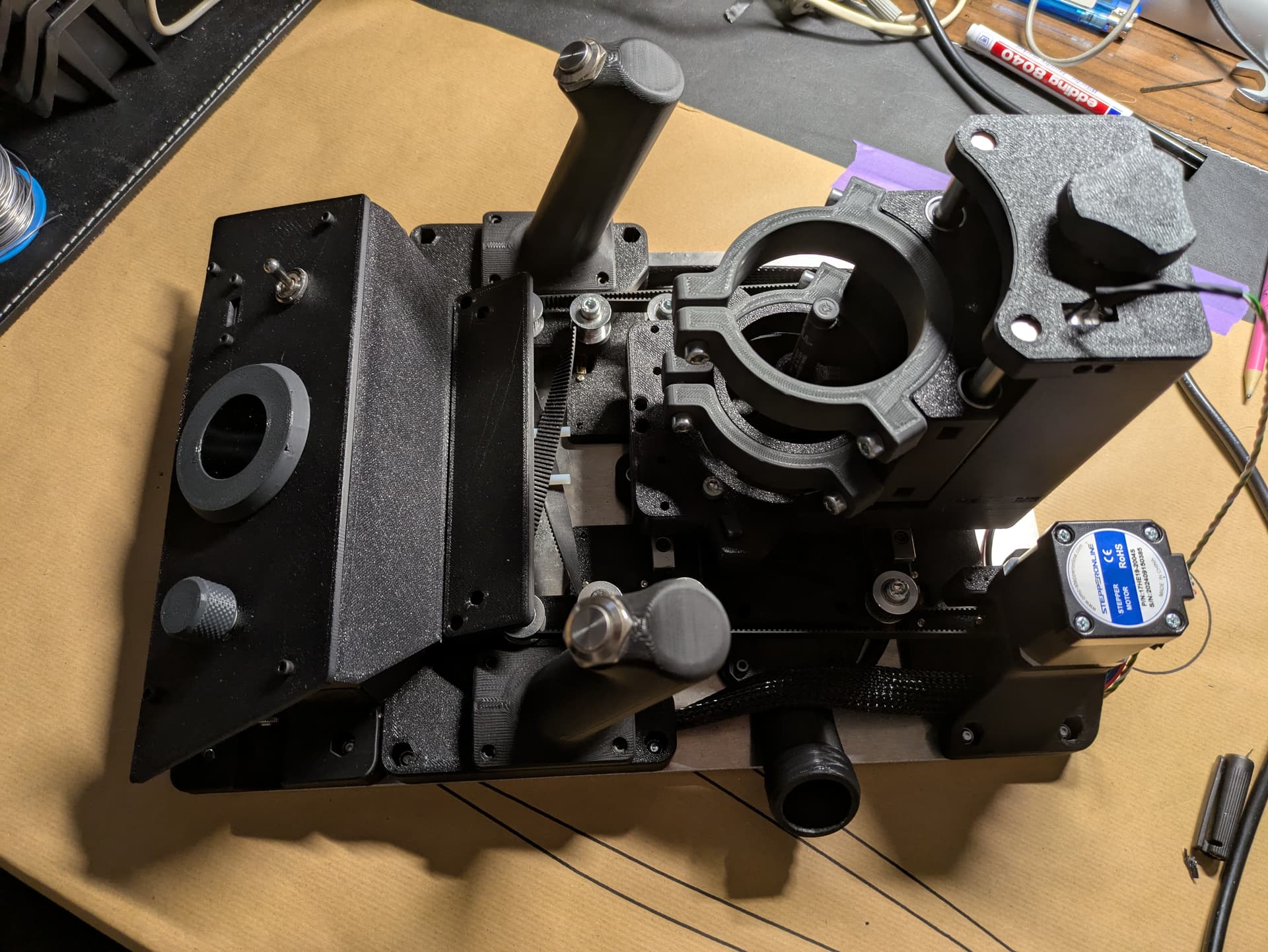
In terms of the sensors being difficult to get into place afterwards?
Was this a wiring issue or mechanical assembly issue?
In terms of the sensors being difficult to get into place afterwards?
Was this a wiring issue or mechanical assembly issue?
I find the initial installation particularly time-consuming until the threads have been cut, and if you solder instead of plugging, the cable is easier to lay.
Just plug it in, who is X and who is Y? And which way round does the plug go? But it’s all explained very clearly in your guide now 
Ahh yeah ok that definitely makes sense for soldered cables. It would certainly be easier to start with the sensors
She works now perfect!
I tried eveything…
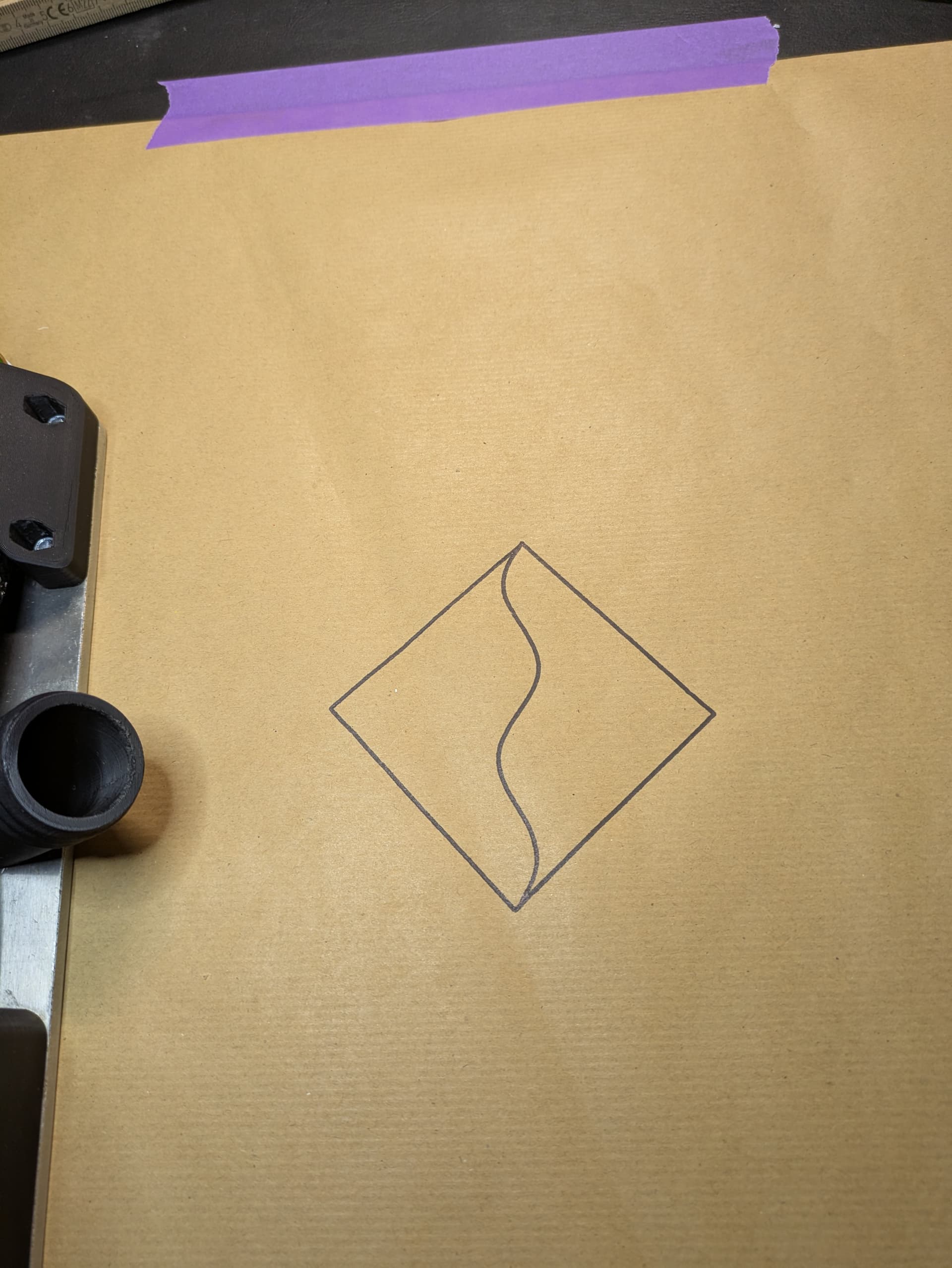
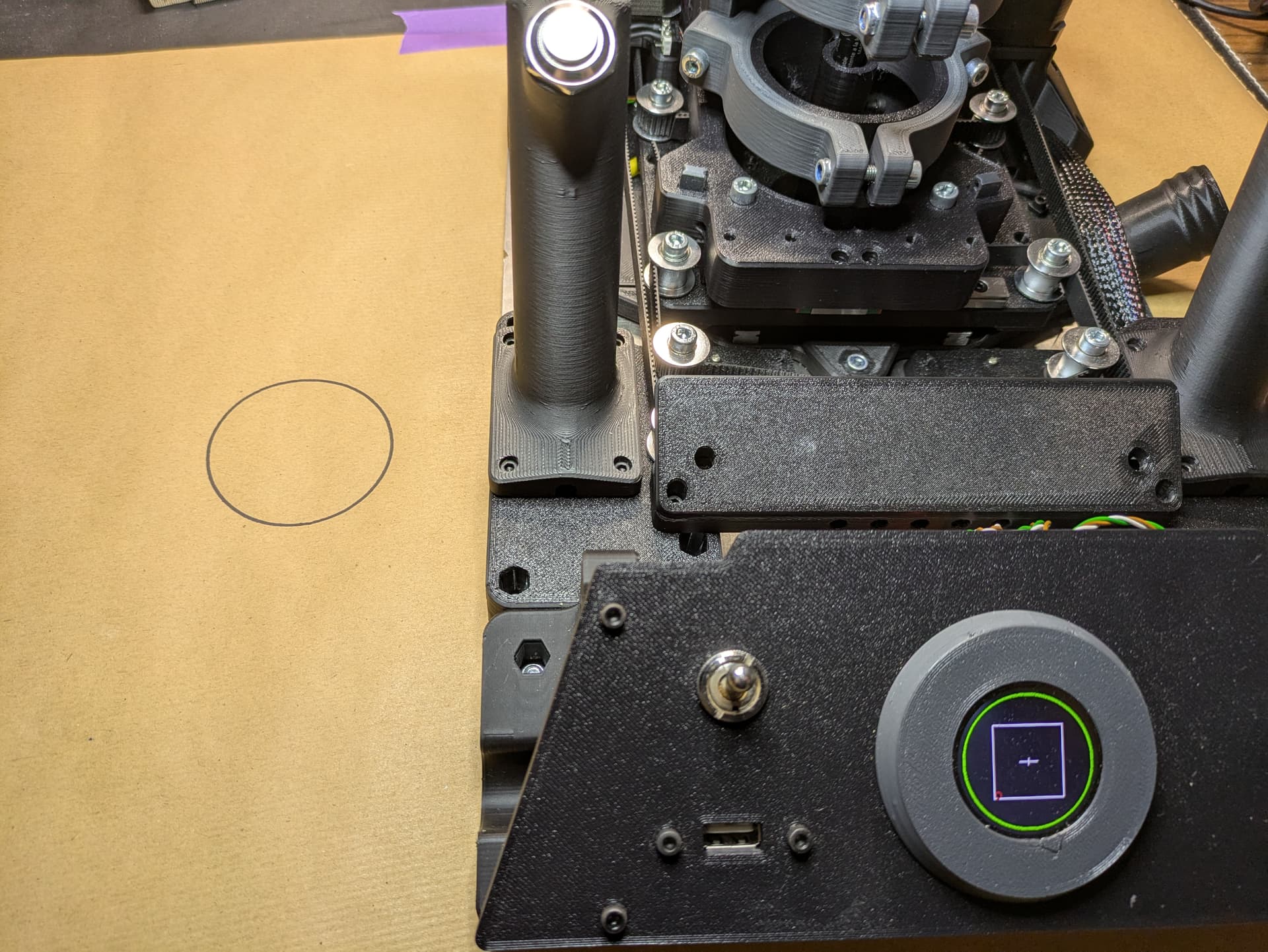
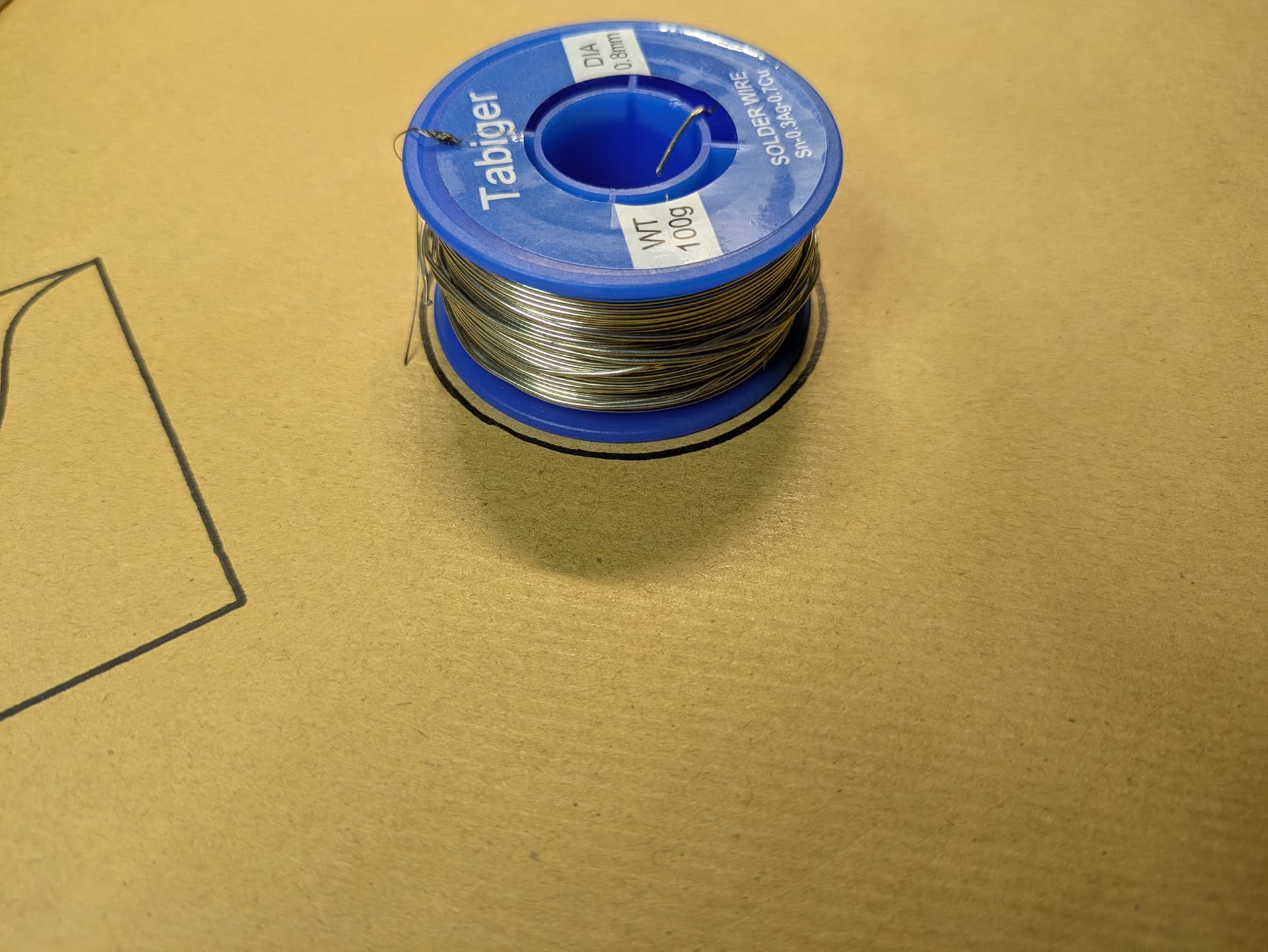
The Circle was alwas 5,5 x 5,8 isntead of a diameter of 6cm.
Multiple calibration everything was fine, also the movements in the calibration looks correkt via serial. All correction values were around 0.01.
And now I’ve found it: my Dupont connector wasn’t crimped properly on sensor 0 at the MOSI PIN.
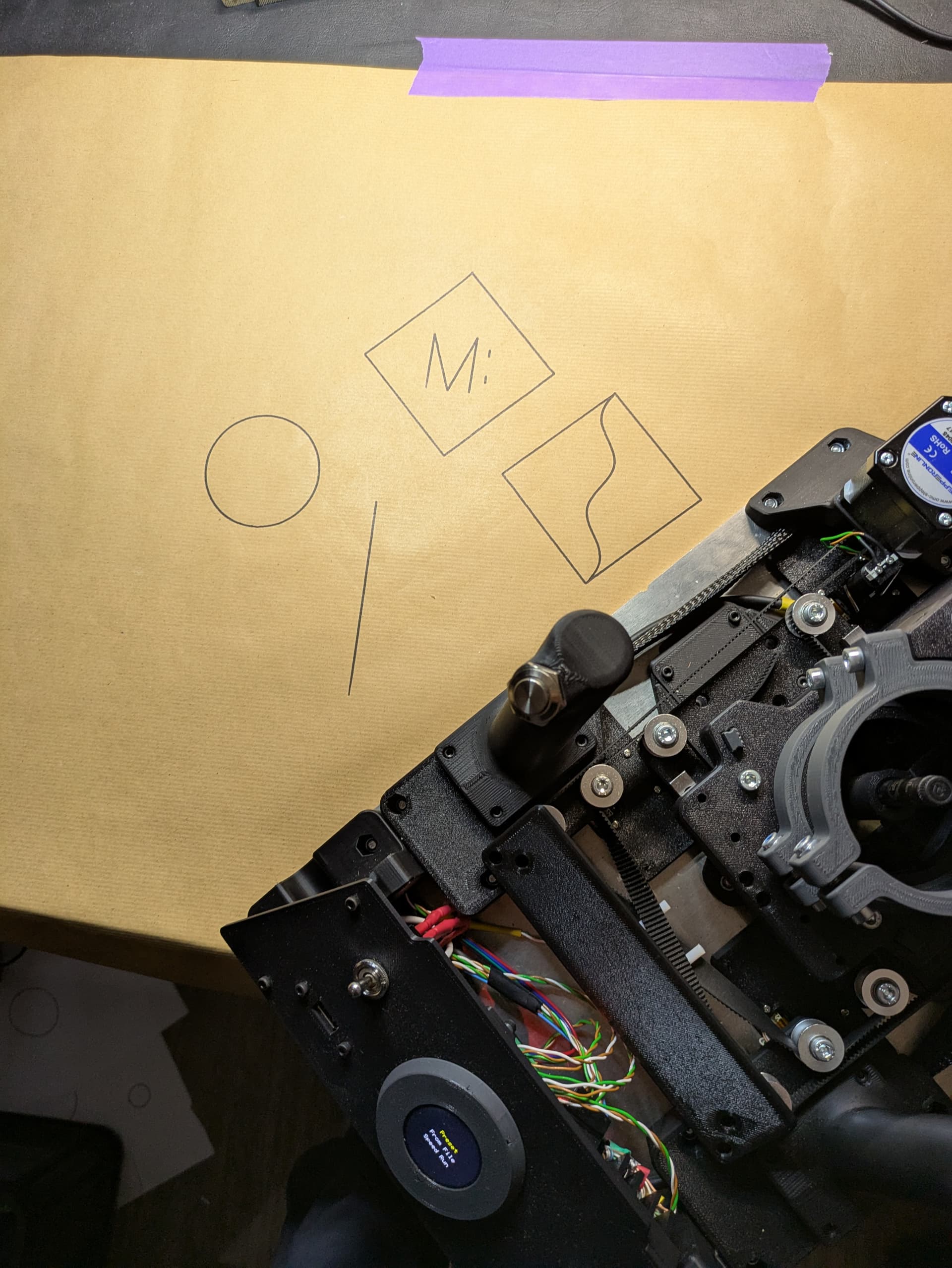
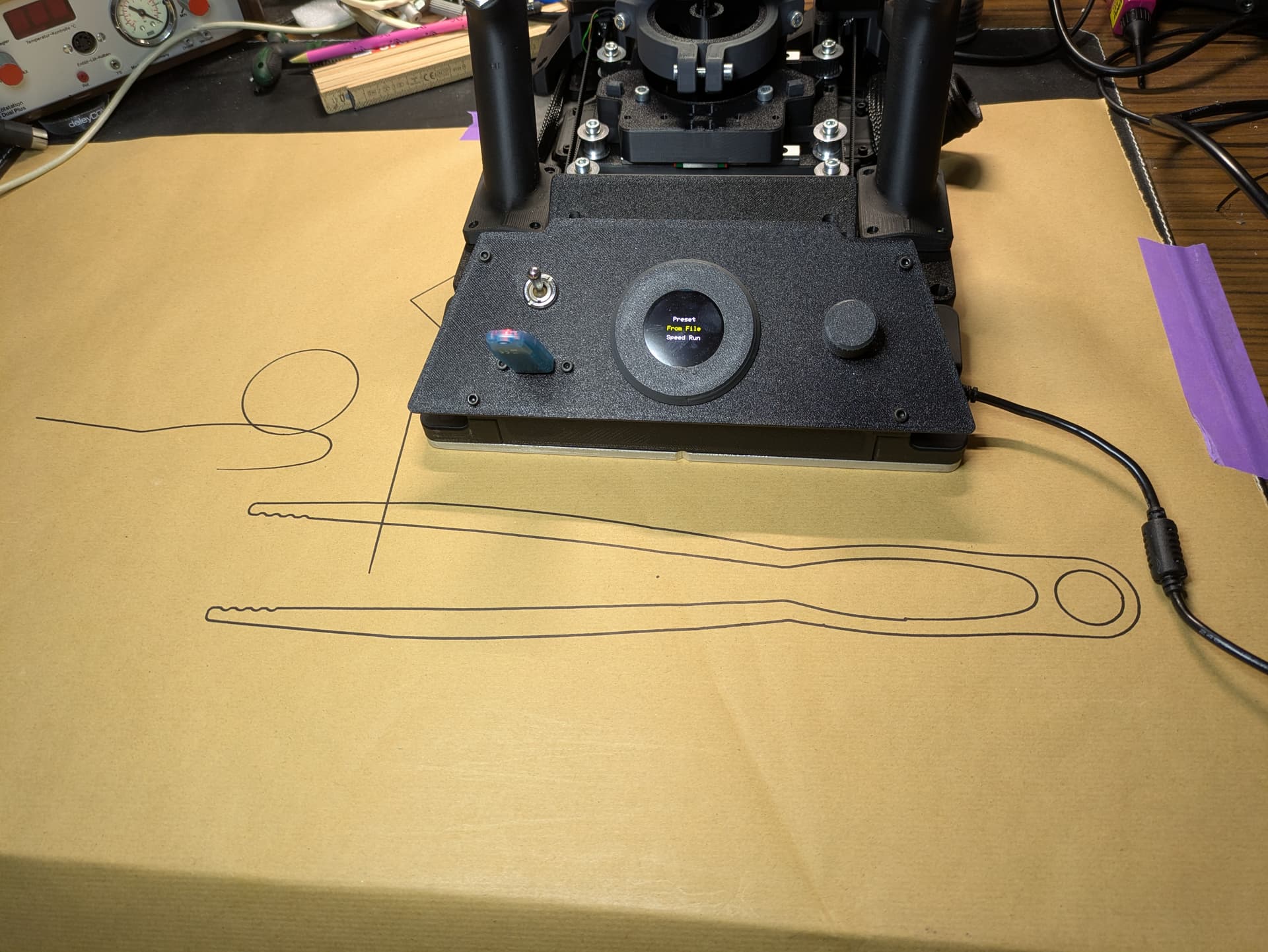
Here are the results!
So I went straight for something more complicated. A German YouTuber has come up with some ingenious barbecue tongs, and I’ve already used some of them on my Low Rider:
Haha, that was my first project on my MPCNC. 
Wooooo awesome!! So stoked to see your results. Good work on the debugging. Are you using Dupont connectors for all the sensors? I was doing that for a while but eventually went to soldered connections and then JST GH because they were pretty unreliable.
I love that design. I want to try it out now.
Those are definitely suboptimal conditions. I just fixed the algorithm for sensor lift-off compensation a couple weeks ago. Great to see that it’s working.
So looking at this, do the wood grains affect anything? If so could that paper help that?
I soldered the Sensor fix to the cables. Mainboard Side i used dupont. Normaly i would use jst xh but i did not have 8 Pin ones and there is not enough space If the gr are soldered.
Gotchaa
Wood grain doesn’t seem to affect anything. The sensors see it the same way as any other surface. In fact, the grains actually help by adding more surface features for the sensors to recognize
Thad does look really sweet. Well done!
yeah I’m doing something very similar, but totally enclosing it, I’m trying to fit a 24V power supply module in there so that there’s only one on/off switch, it’s a squeeze and still a work in progress…
Needs to be totally enclosed in case any dirt/etc finds its way into the PS, I’m adding a tiny fan and filter
Oh very interesting. I hadn’t noted the distinction between linear and angular drift
I wonder if it happens because X/Y is aligned between all sensors… maybe placing two of them 90 degrees rotated (and of course de-rotating the result) could help?
Hmmm that’s an interesting point… I have a feeling there’s also something weird happening when there is ~0 rotation of the device throughout the operation. Angular velocity calculations come out to be pretty noisy, and at ~0 that noise becomes even more noticeable. A little low-pass filter might go a long way here.