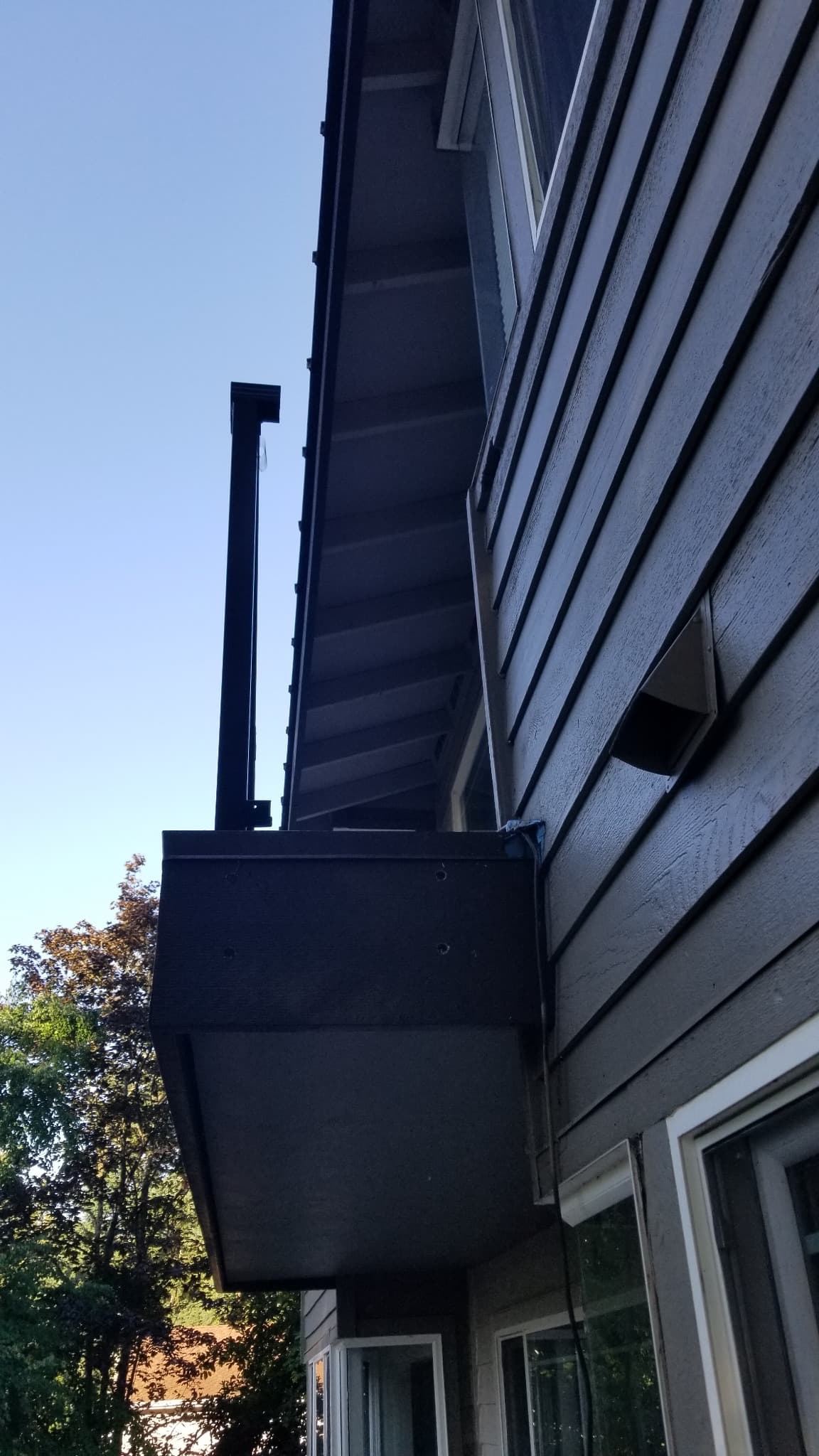
CNC'd "Invisible" Awning design ideas?

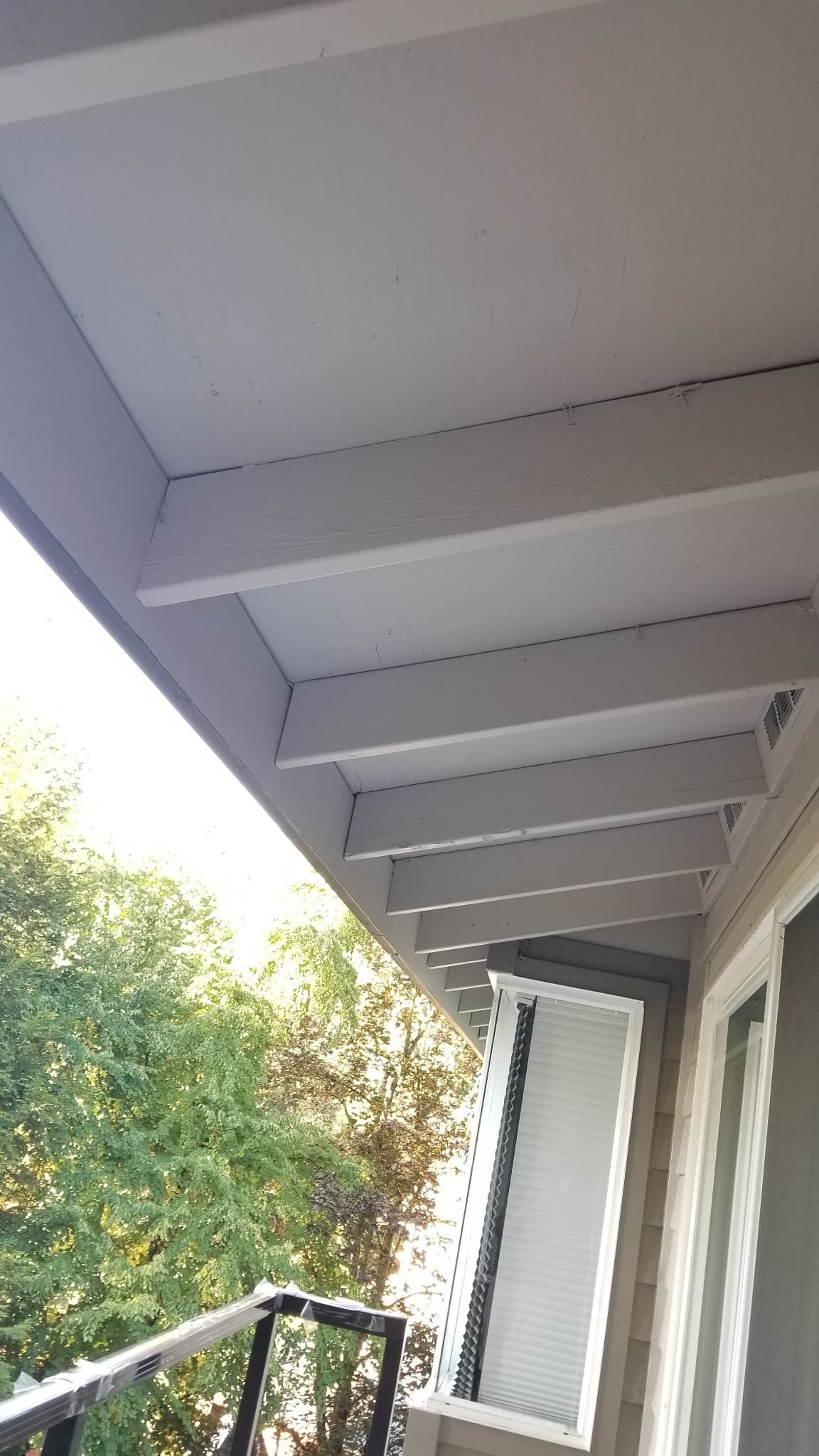
Curious what folks here would consider if they were trying to make an “Invisible Awning” to help:

  • Minimize impact to existing aesthetic/design, solution needs to be as “Invisible” as possible.
  • Prevent morning dew dripping onto the deck.
  • Deflect/direct rain water additional 12"+ to miss the deck too.
  • Ideally a passive solution. I already explored and rejected making automated sliding soffit panels controlled by FluidNC/Jackpot integrated with humidity sensors, weather forecasting and some other fun unnecessary use of AI.
  • Solution must be easy to clean. Should be easy to replace. Even UV protected polycarbonate yellows/frosts over time.

Asking here because… Was neat to see What are you working on currently posts by various folks for the CNC’d, printed and other projects. Including the home sawzall destruction, and construction projects…

Personally appreciate the mix of problem solvers we have here, with different backgrounds, from different places, that have different ways of solving problems.

Intentionally don’t have gutters, am intentionally letting deflected water run off to hit the ground below. The ground surface has sufficient drainage to handle. Reason for no gutters… We have tons of needle spewing trees, I could never figure out a great solution for avoiding blocked gutters, I don’t enjoy cleaning the metal roof. Ended up deciding to not bother with gutters, and have made the ground handle water run off instead.

Currently working on finishing a deck railing, still needs glass + tacky leds…
I have some ideas, e.g. CNC’d polycarbonate… But I wanted to see what folks here suggest?

3 Likes

What about an angled drip edge. Just enough to deflect a little water both ways. Paint it to match, you will never see a 2-3” aluminum angle.

Not big enough or angled enough to hold needles

3 Likes

Can you describe what your roof cladding looks like? In my region typically we use corrugated iron so it would be a doddle to slip an extension piece under the existing.

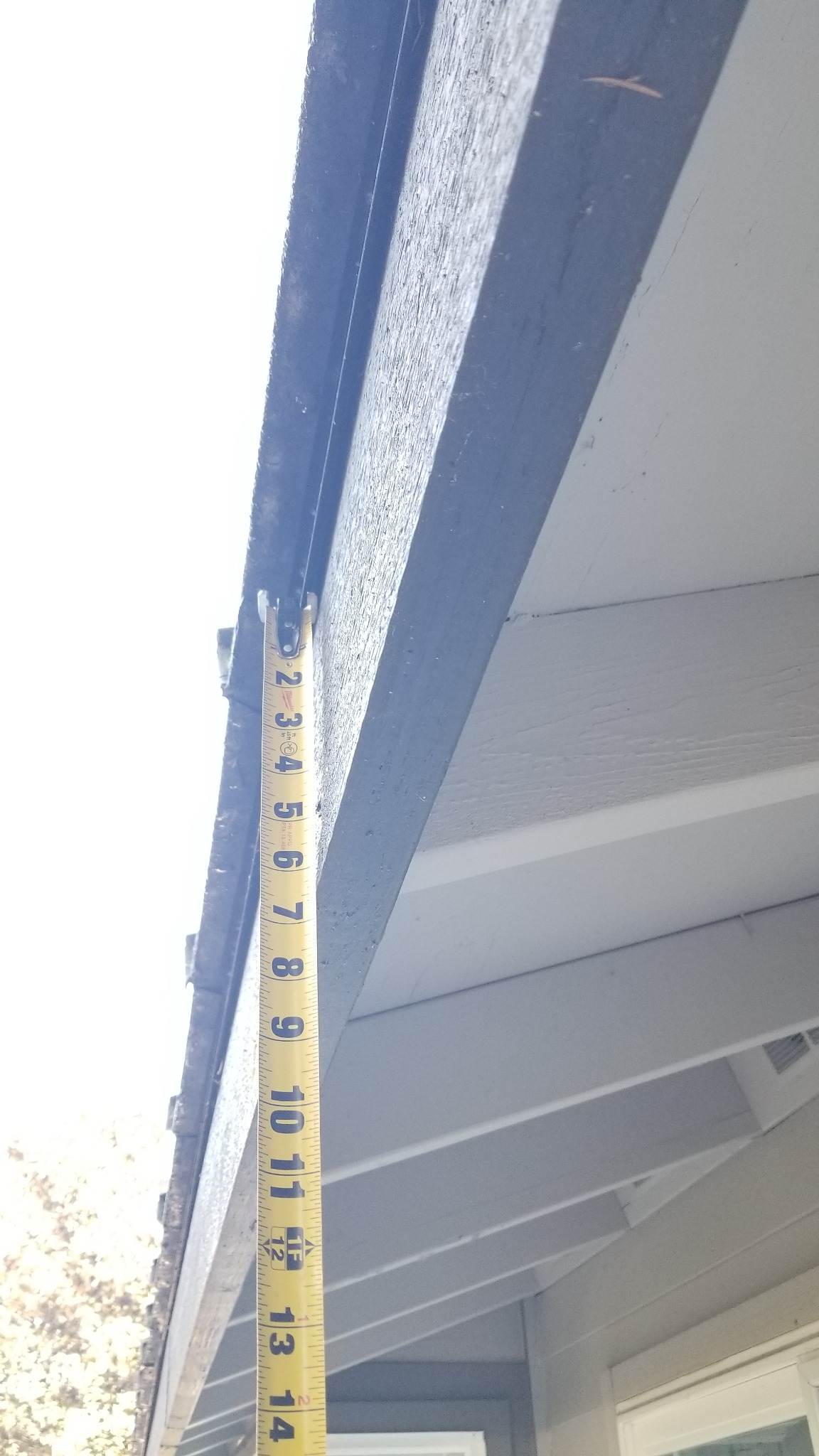
If you extend the angle of the rafters to the edge of your deck, what head height results?

What is the angle of the roof?

I can’t guarantee a CNC solution, but I’m happy to explore the options. Be warned that usually the proper long term solution isn’t the easiest or cheapest! :grin:

3 Likes

Add a spray nozel at the top with pvc quick connection to wash down in the fall kind of like the German power spray they advise on YouTube to clean it

1 Like

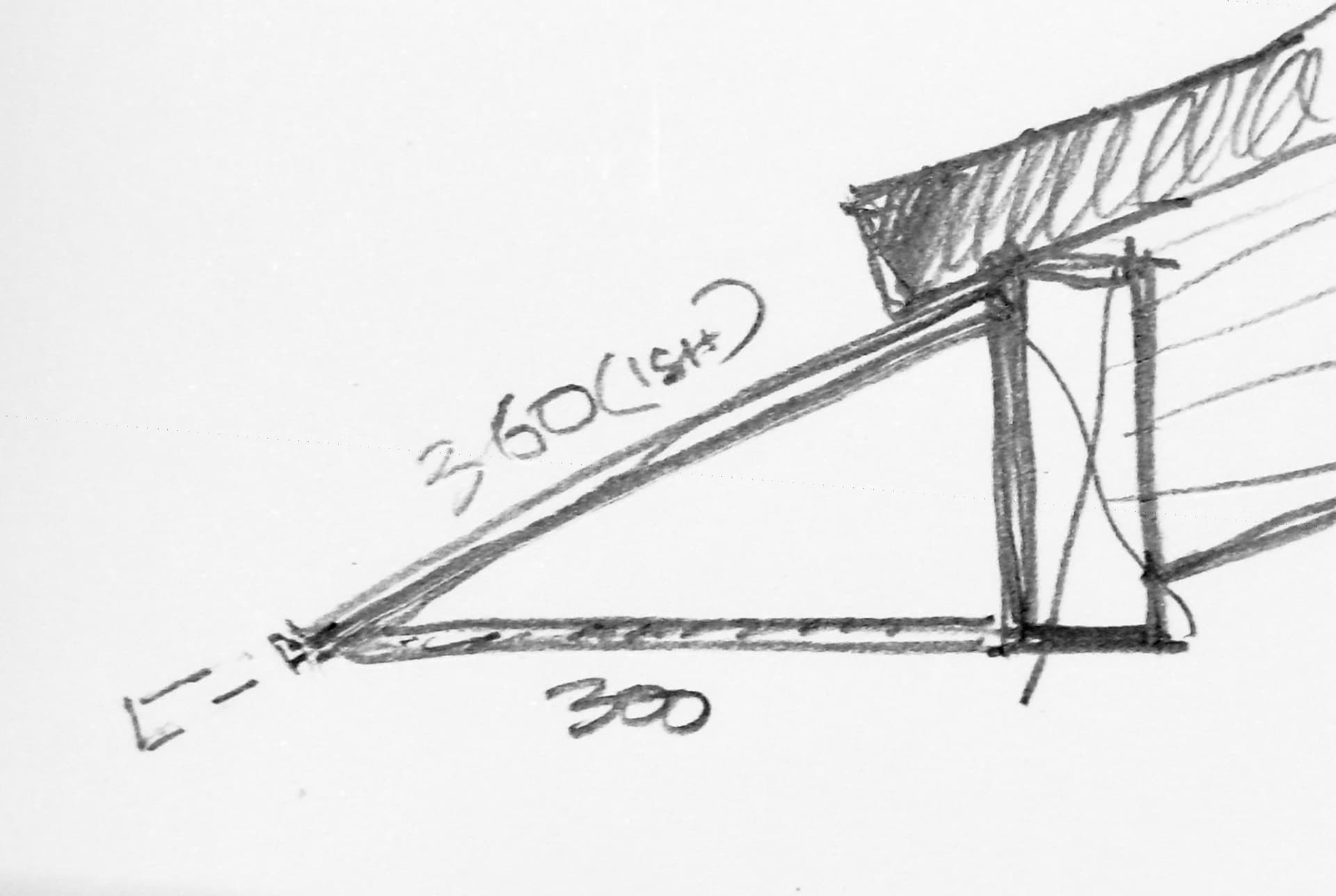
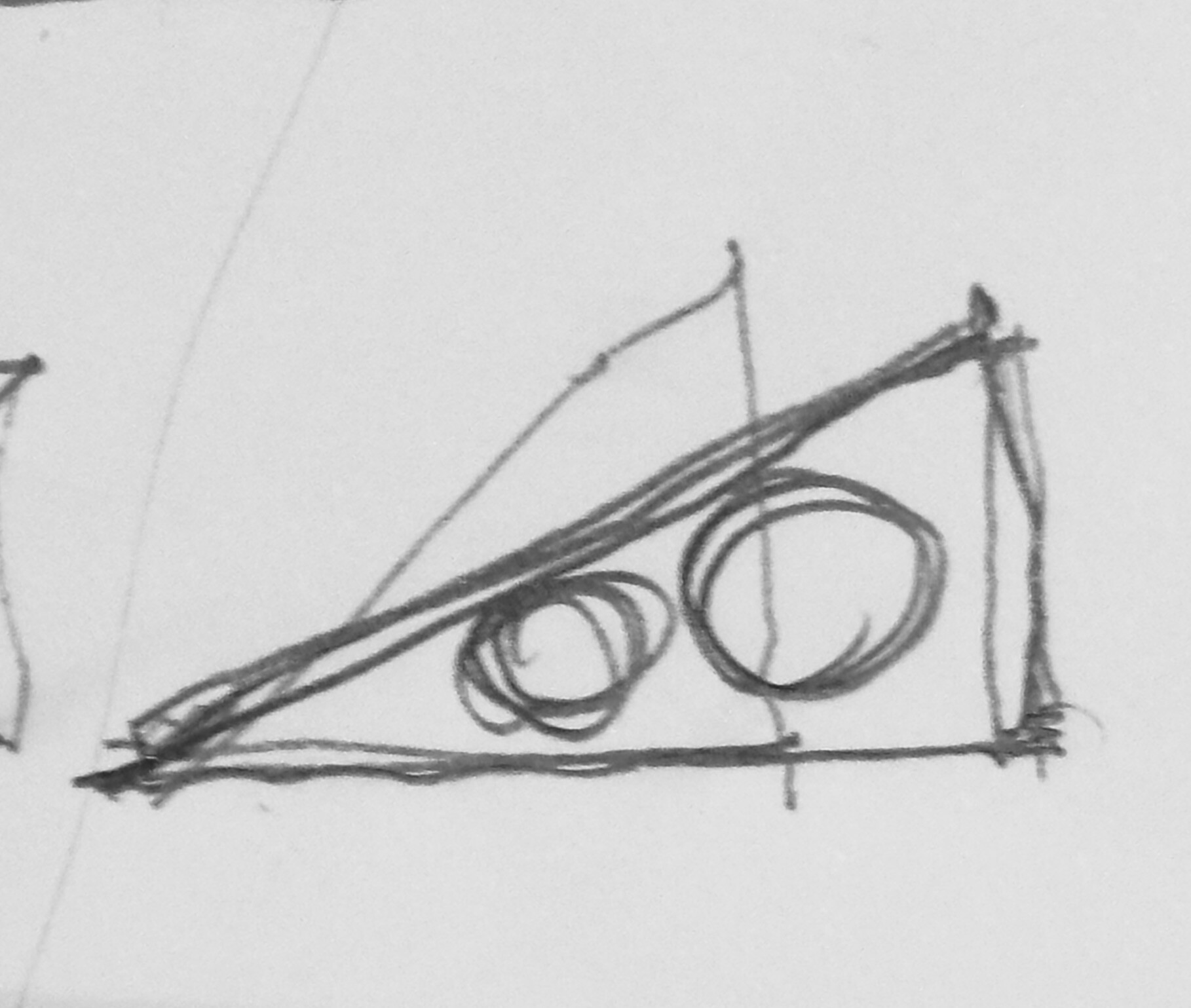
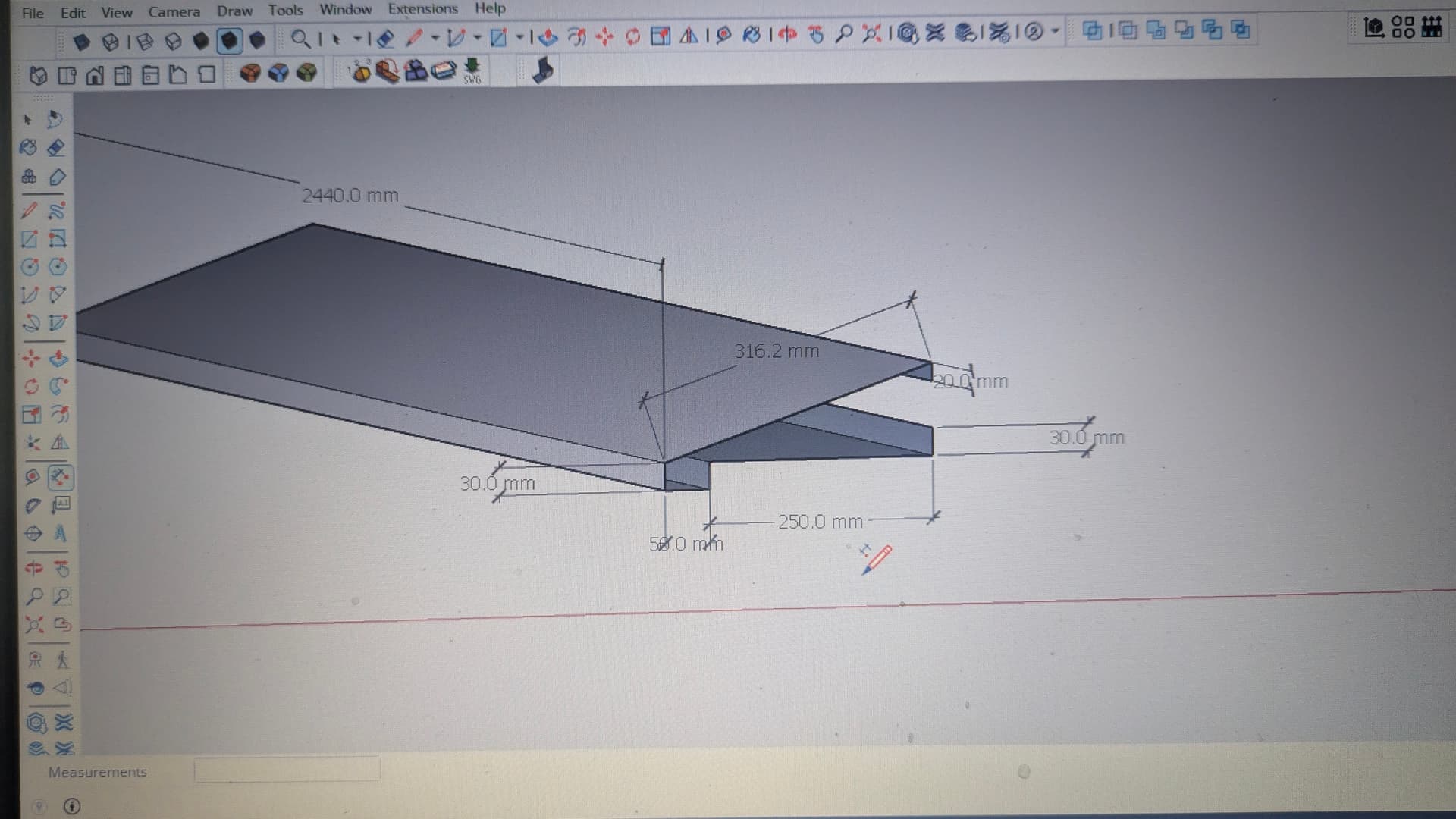
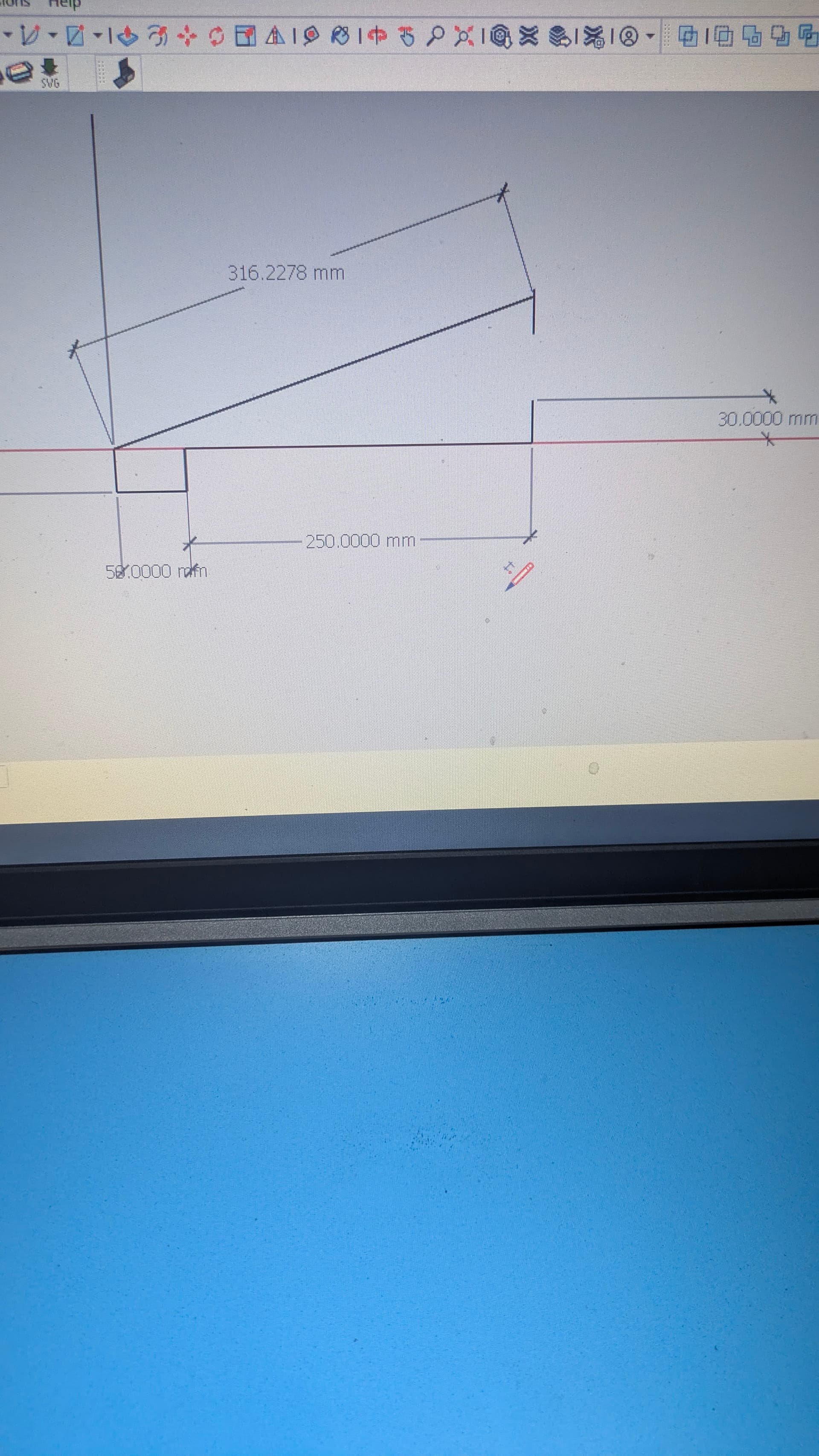
Here are some really quick ideas - I apologise for the midgecad, but they will be easy to develop further if the concept works for you.


I think you have around a 30° pitch which will allow you to tack on a triangle more or less at the level of the edge beam (fascia beam). 12" (300mm) happens to be a quarter of a sheet of whatever material we decide, except that the hypotenuse is an awkward amount longer - on the one hand this is not too much of a problem as a third of a sheet is around 400mm (16") and when it comes to this sort of overhang, more is more - you really do want to get the drips right off the deck.

So the question is - how minimally can we build this?

I would be tempted to fold a flashing to do the lot in one piece - but you’ll need a highly skilled tradesman and still have the risk of oil canning on the soffit side, just where you don’t want it.
You could take a leaf out of @CesarH 's book and fold it in ACM suitable machined of course!

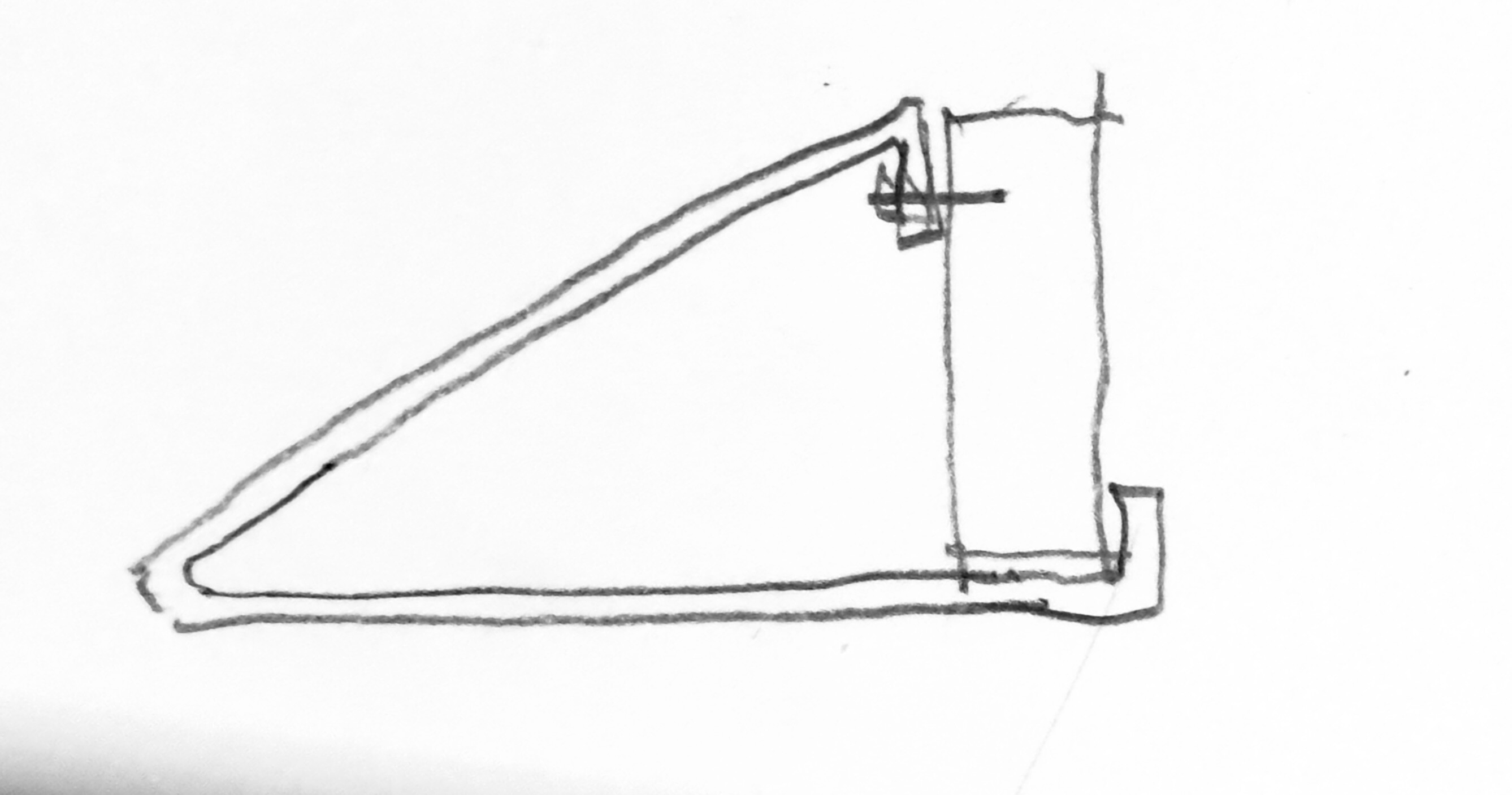
I’m still thinking ACM, but more practically, you could cut a series of webs with folded flanges top and bottom, and simply screw or pop rivet a single sheet of ACM across the top as the awning.

Of course you can take this principle, make the flanges out of timber or even ply, and use what we would call fibre cement for the awning. You may want to paint that though, or add a soffit to keep the spiders away.

1 Like

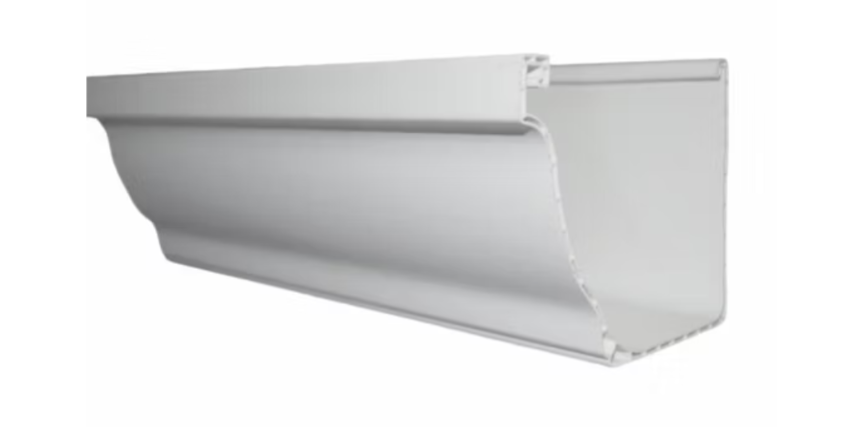
You can get acm in a variety of colors for sure, but depending on how its priced on his region, isnt it better some water collectors (the plastic ones, they should be cheaper, a lot of cheaper. )

Now by you image you should integrate it with Ryan’s idea.

But i actually recomend to install water collectors like these pvc types are really cheap

2 Likes

How about a small (1” diameter?) PVC tube with a shallow groove and series of holes drilled in the top positioned under the existing drip edge to catch the dew and angled to direct it to one end or the other of the deck area where it could drain through some screening/mesh (to prevent critters from making it their home). The momentum of heavier rain would carry it past the “catch tube.” If the holes are small enough they shouldn’t catch the needles, and the ends could be left open to facilitate periodic rinsing to prevent growth of mold or fungus. I’d go with PVC painted to match the existing trim color scheme to minimize visual impact rather than trying to keep something clear/transparent in an outdoor environment.

2 Likes

Pine needles get everywhere down your back in your shoes just amazing where you can find them.

3 Likes

I have lived with pine needles and can say very firmly that they WILL get stuck in anything!

I like your folded section but I curious as to how you would fix it? My thoughts on my first sketch were to use slots for the top fixings with the section a little bit open, then fix to the underside of the wooden beam (exposed screws) - Do you have some clips that will allow you to use hidden fixings?

1 Like

It was forty years ago and I’m still traumatised! Pine needles are called needles because that’s how they behave I reckon - the pointy ends used to catch in superfine mesh, just enough to hold the needly firmly so that it bent and dammed up those that followed, then the furry bit at the other end would dismember itself and complete the job better than any sealant.

Please don’t get me started on the pollen or the flower dropping time! :grin:

3 Likes

Cheers for the ideas everyone!

I have some 3" drip edge and will try it to see what effect that has on morning dew drips. Cheers Ryan!

Thank you Peter! Love the midgecad diagrams LOL :-), slipping under the existing roof materials might be possible, I will check. Pitch is ~4":12" (~18.4 degrees). Like the angled extension bolt-ons that continue to project out the existing roofline, that approach might work for the height of the fascias and roof pitch we have too. I started mocking up Fusion model to figure out angles, and impact on projected head height…

Currently leaning towards trying to CNC cut polycarbonate panels that mount between each 2’ bay. Bending 2’ is doable for me. Trying to bend much wider panels that span 2+ bays would be too much for me to tackle right now. Will add small side flanges for panel rigidity/strength, interlocking between adjacent panels and reducing water drips/runoff between the panels. Am okay with the polycarbonate flexing with slight gap between panels to help reduce wind sail forces.

Between this and the EGO garden tool pimping projects I’m doing, it’s getting easier to rationalize building/buying a hot wire bender machine. For now, I’ll prototype via Cold bending, but, hot wire bender seems to result in more reliable longer lasting parts.

Like the idea of a self cleaning, or easier to clean setup with some quick connect adapters. Cheers Tim!

Completely forgot about ACM. I will look into ACM if the polycarbonate isn’t working out. Thanks Cesar!

Tom’s catch tube idea is neat, I’ve seen some nice $$$ gutter guard systems from company reps that use various geometries to discard debris, including needles, while still somehow directing and wicking water to fall into the gutter without getting clogged, or at least that’s what they claim.

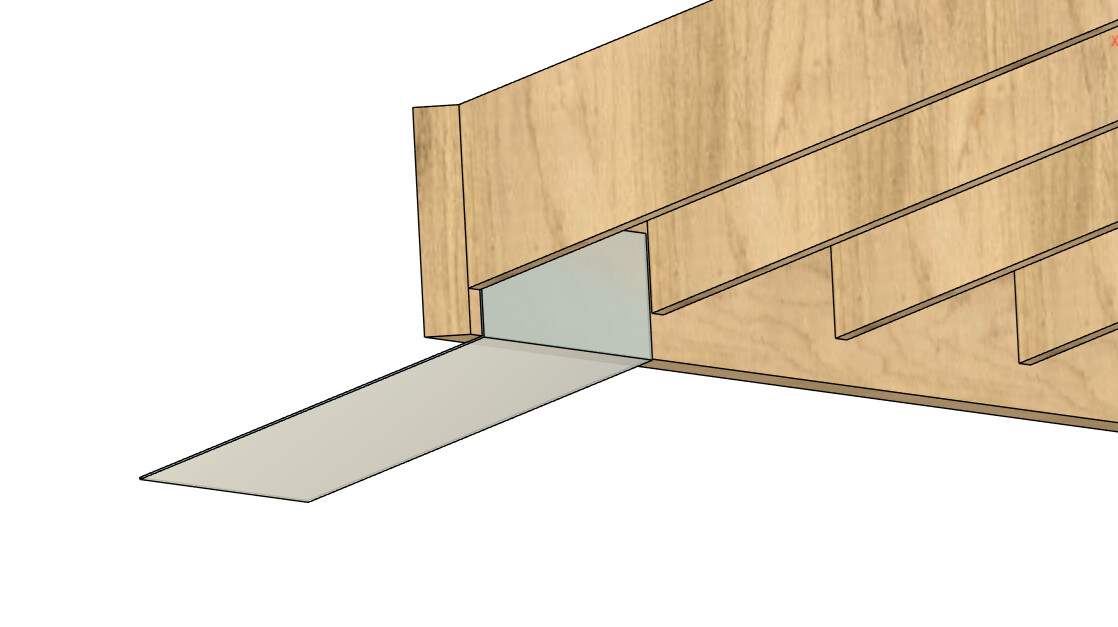
Super basic visualization of current thinking (minus many details like drip edge, side flanges, mount slots, overlapping adjacent, LED edge lit, etc…) … They look nice in my head, but probably look and perform horribly in reality. I will prototype a few, experiment and find out…

1 Like

He can just fix things as you pointed, the upper side to the top od the beam/rafter directly, then with the help of PU glue close the thing and use some screws to fix to the underside of beam/rafter.

If aza provides a measured skecht of it i can design it so the has the least amount of screws visible

1 Like

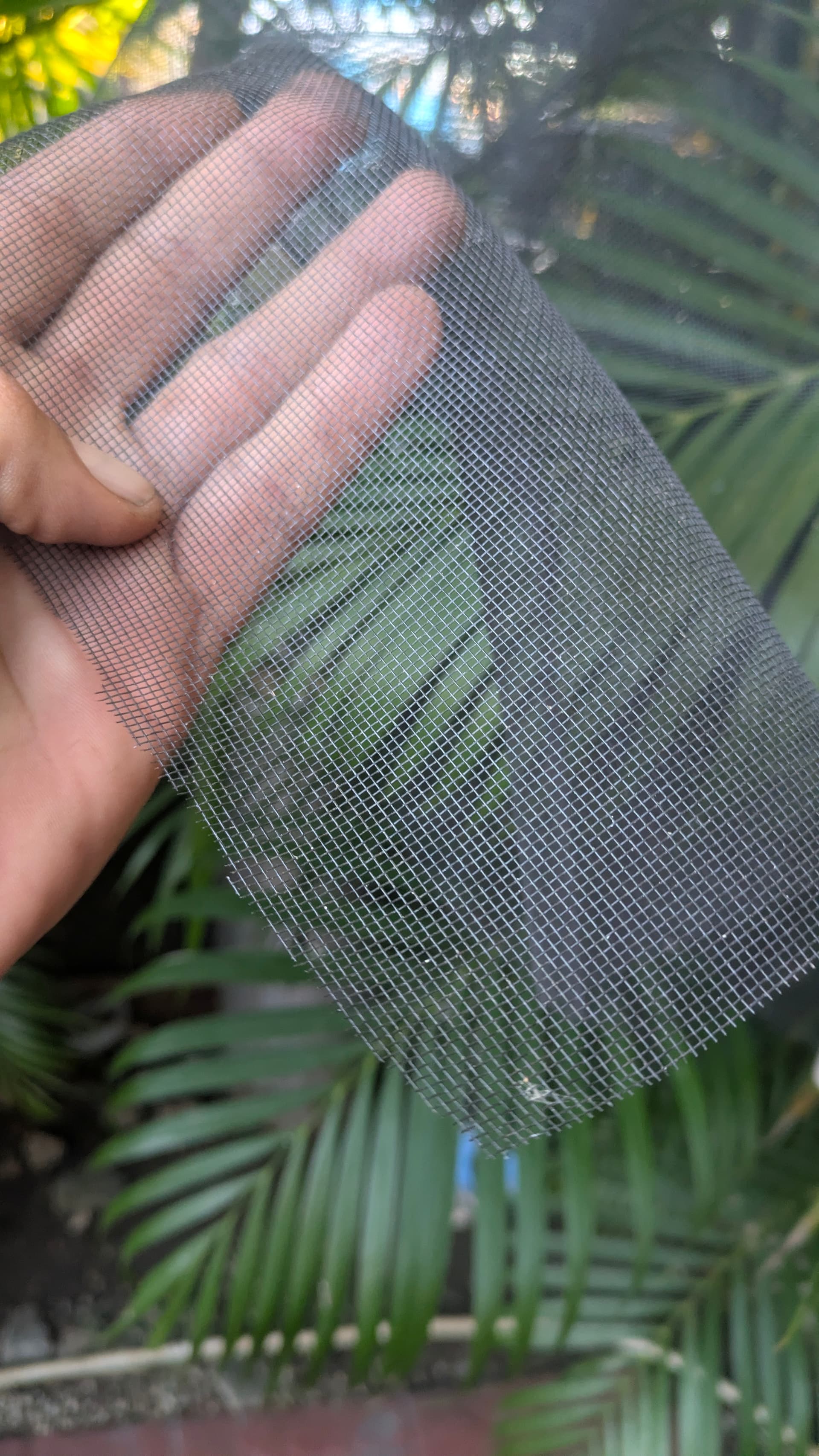
Take any water collectors, just apply the basic mosquito control clothes (Jesus Christ, i forgot the name in English) and just apply them on the upper (open) side -it may need some cleaning every couple of weeks

Had some on the backyard

1 Like

I am pretty sure that’s what @azab2c is trying to avoid! :wink:

well its pretty easy to fabricate something that makes water to fall away, @azab2c can you provide the angle the rafter was cut?

1 Like