I’ve made incredible things on my lowrider like the catan board that is somewhere on this forum, and I wouldn’t have been able to do it without this incredible machine. but most of my creations have been on a relatively small scale save for some plywood signs that don’t really count. But I promised my sister and my very cute nieces I would build them nice beds with lots of storage cause the place they are moving too is tight on space.
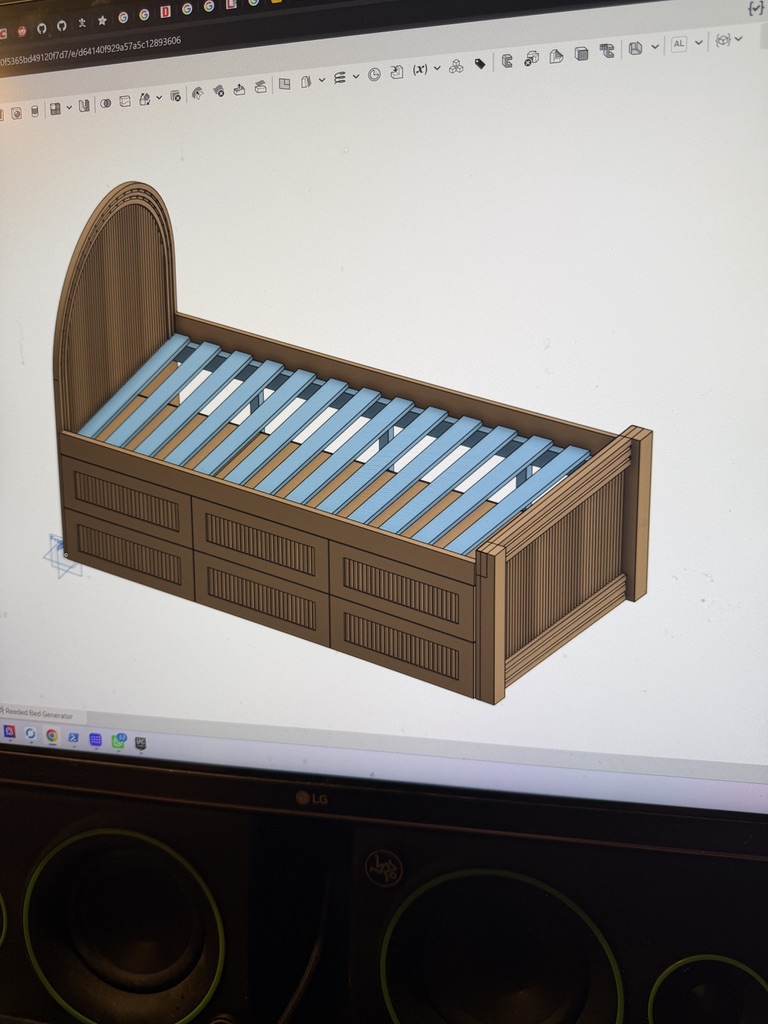
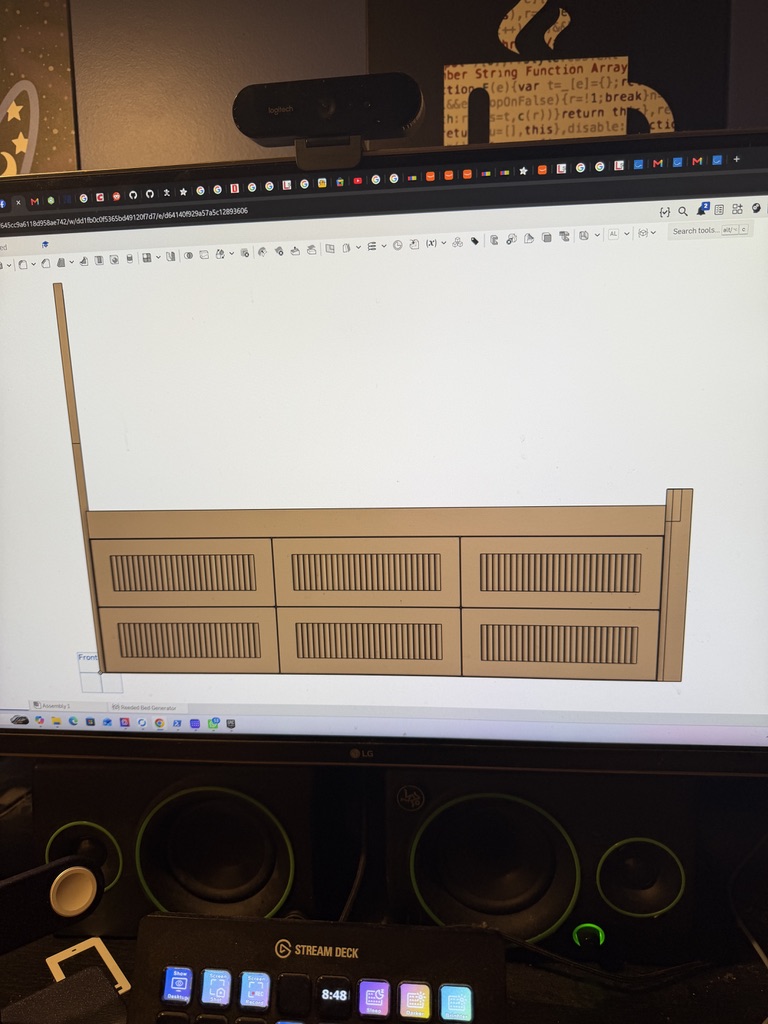
So here is the design I came up with (with help from claude for the modeling, but for another thread) :
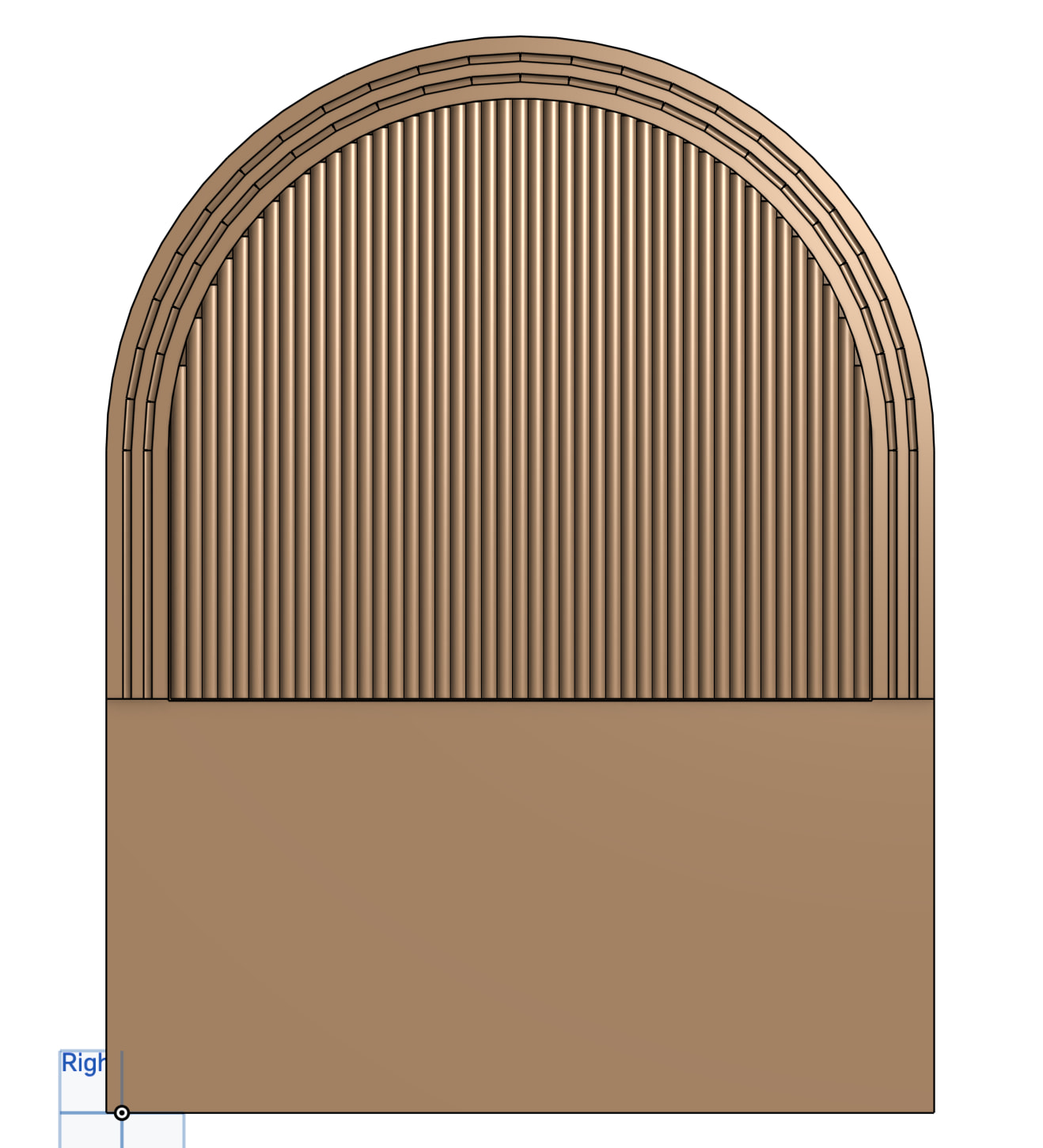
I’m not nervous about the structural bed parts or the drawers im nervous about the big detailed panels, so here is my current plan:
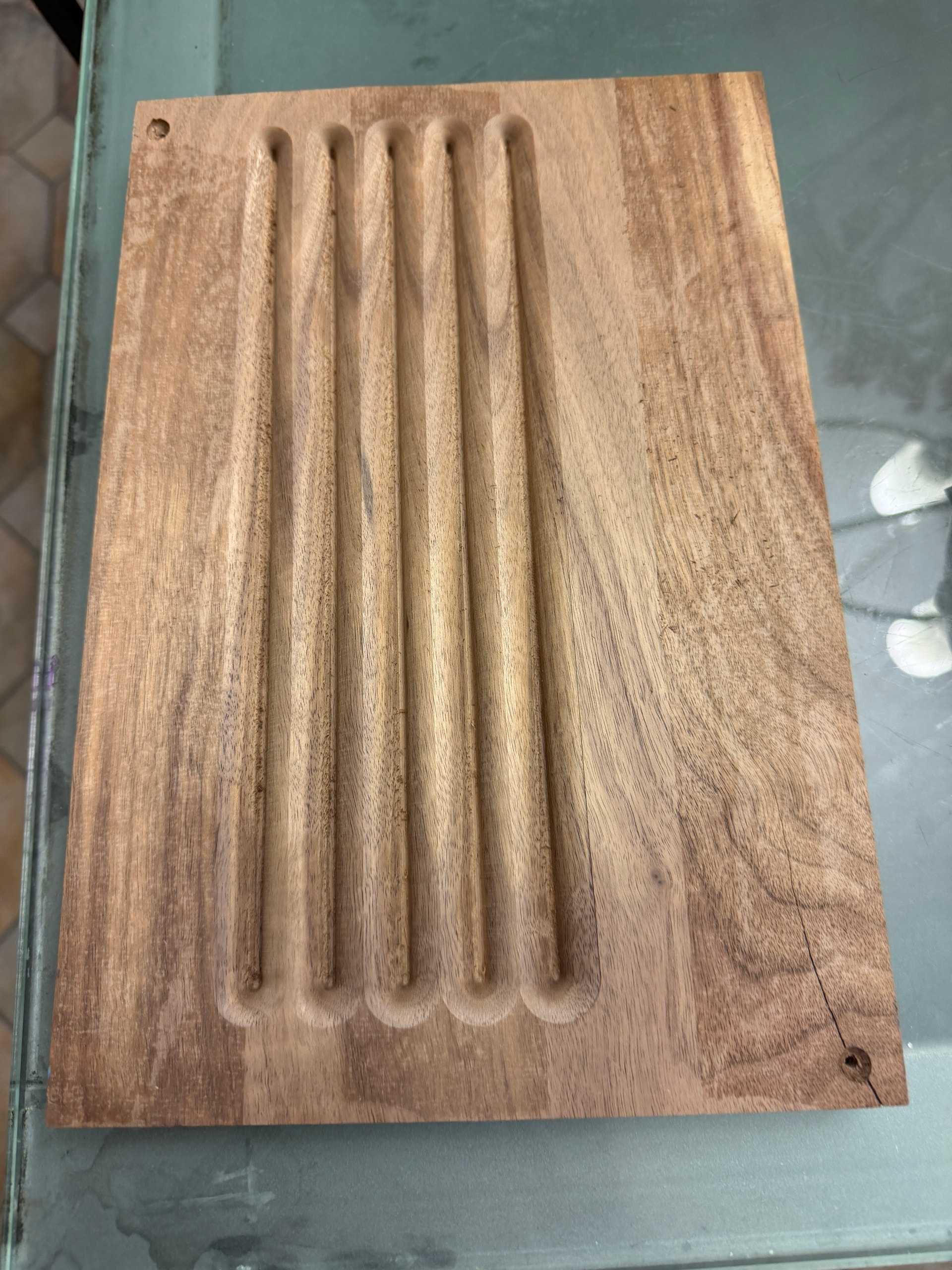
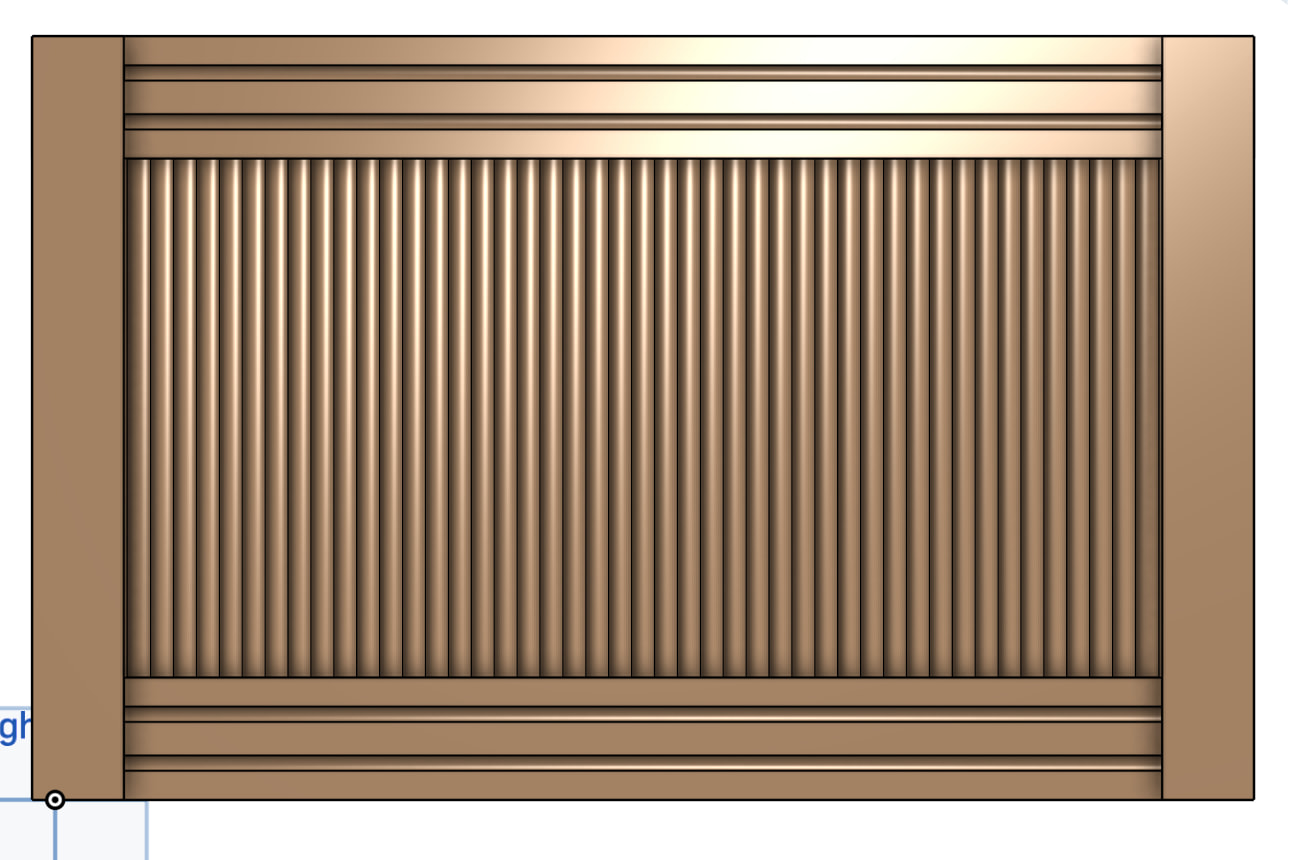
so first i bought the amana tools 56127 bit to create the flutes and here is the test with that(thanks millmage for making it super easy):
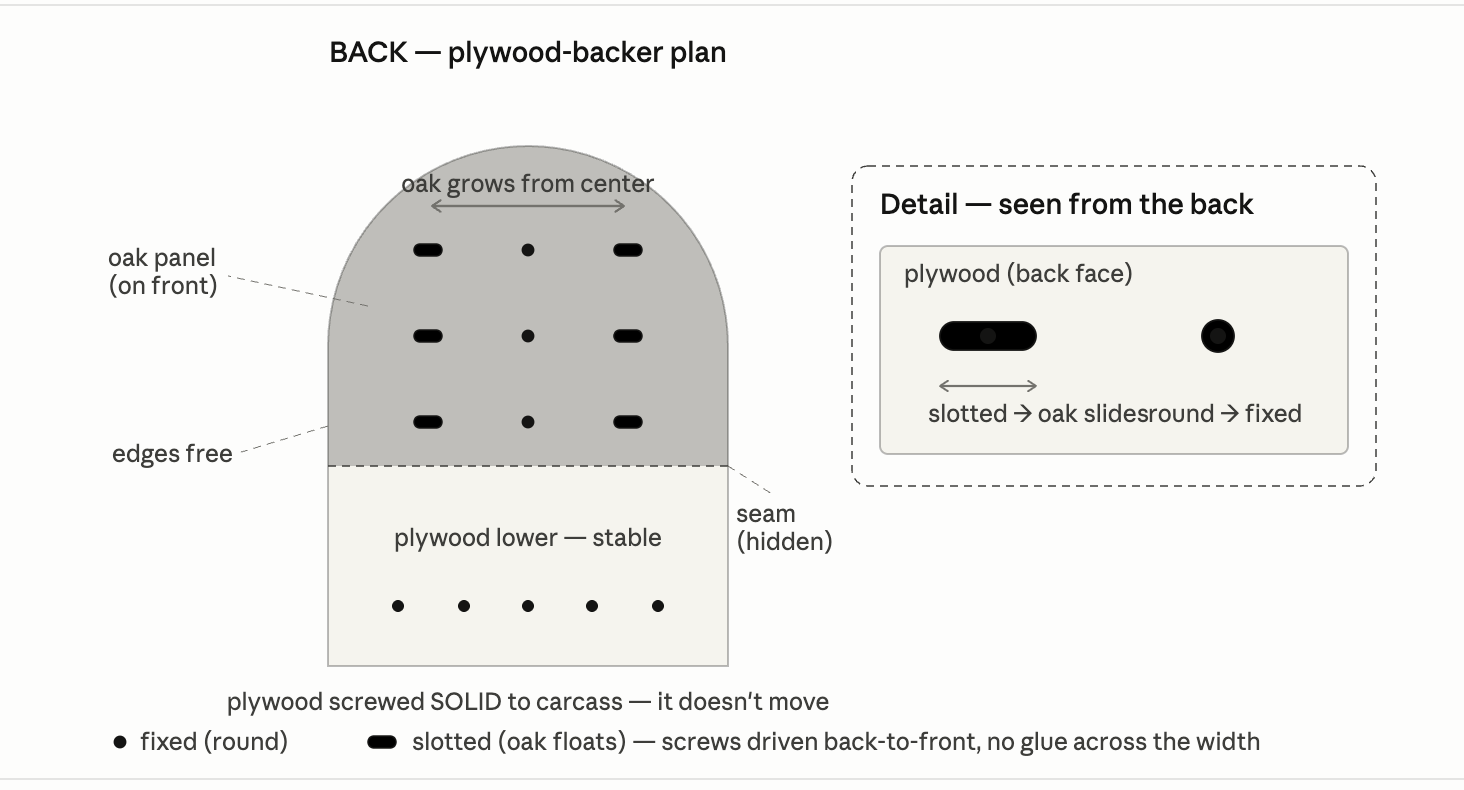
the top will be vertically glued boards together and cut/routed on the cnc in one long go to be able to get all the detail I want. the bottom will be a regular piece of ply bc no one will see it and the top will REST on it not be attached to it and then there will be one big piece of plywood in the back to hold everything together, like this:
I am aware this is a crazy project to undertake, but I have a few specific questions for the wood gurus in here:
The 1 big question I have is about wood choice and wood movement:
the plan is to use white oak but do i need to get quartersawn or is plainsawn fine? I’m very concerned with wood movement horizonatlly and cupping acrross such a long panel? i think the backing plywood should help reduce the cupping but im really not sure? is gluing them vertically the right call, i figured the flutes with the grain would reduce tear out and look better?
wood movement commpensation mangement right now the plan is like the above diagram for the head board stationary screws in the center and sloted screws on the left and right, is that suffercient?
anything else I’m not thinking about or any other helpful tips please feel free to share?
Looks like a great project. As far as the wood goes my only sucess is yard and estate sales. Pickup old cabinets and tear down. I really am disaponted in the wood sold today.
It looks like you are considering the right principles so you are already ahead of the game. Good looking project too.
I do a lot of traditional woodwork with white oak that was sawn from the family woods and cured in a barn for a couple of decades, so moisture is more an issue for me since it doesn’t come from the store. After getting it dimensional I will let it sit stickered for at least a week or more in the shop, sometimes in the house if I can get away with it. I don’t usually anchor it so I can see if there is some tension inside the wood. Most but not all is quartersawn so that helps, but I will still get wood that will do what it wants to do.
However, I have had some really good luck with white oak - with caveats. Properly “picture framing”, what it looks like you are planning on doing with the sideboards works very well. The headboard will move no matter what you do, and it looks like you are considering that with the plywood back. In my experience the pieces that have the largest bending movements are pieces that are exposed differentially to the air. Here is Michigan it gets both very humid in the summer and dry in the winter, and with the plywood backing I would possibly be concerned about that happening. It may be fine, but that is where I look to.
The caveat I can talk about are some cabinet doors. My wife really wanted solid wood flat fronts, and I have two, one a swinging door and the other a large drawer attached to plywood. In the winter the fronts dry up and go into a potato chip, in the summer it is much less. It was a combination of poor choice on grain pieces and nature of the beast. Picture framing it would have stopped it entirely.
For your headboard, I would suggest gluing smaller thicker strips together, say 4-6” instead of wider boards >8”. When you cut, let rest - sticker - and probably tie them down or weigh them. When you cut the flutes out you will expose wetter wood that will want to dry and shrink, cupping towards the cut. Sticker and tie down or use heavy weights to limit any movement. Then when assembling allow for movement like you are planning. Then, if it moves it will only slight and even if it does it will last generations.
After all, it’s a natural living product. Good luck on your build!