Sure 
Took some pictures tonight. Hope this is helpful. The design can certainly be improved, but I am very happy with the performance so far. Improvement suggestions at the bottom.
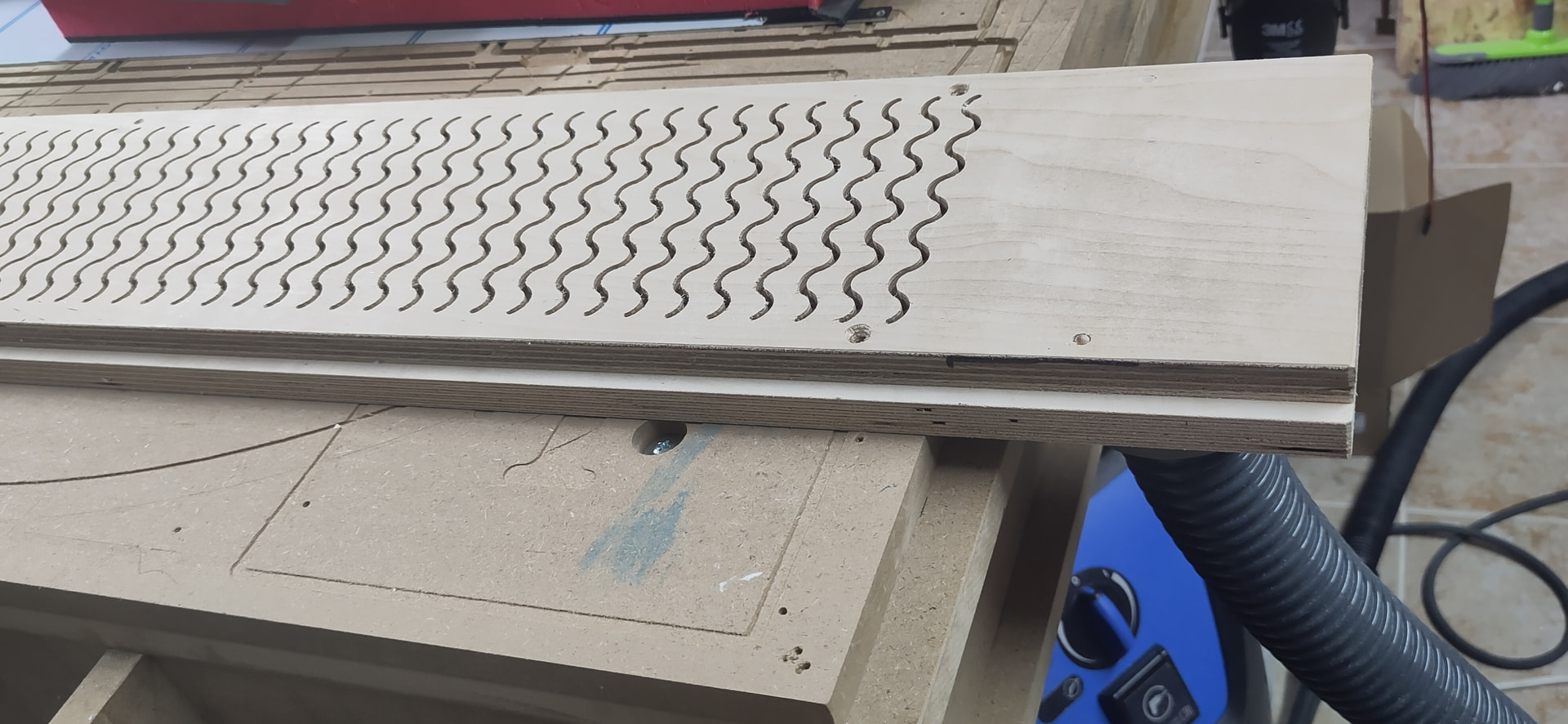
I was trying to get a flat design, so took two birch plywood boards and CNCed grooves and throughholes. Length of the board was choosen to fit a full length balsa board (100 mm x 1000 mm) The board overhangs the LR table, so that I can connect the vacuum hose without having to cut a hole in the table:
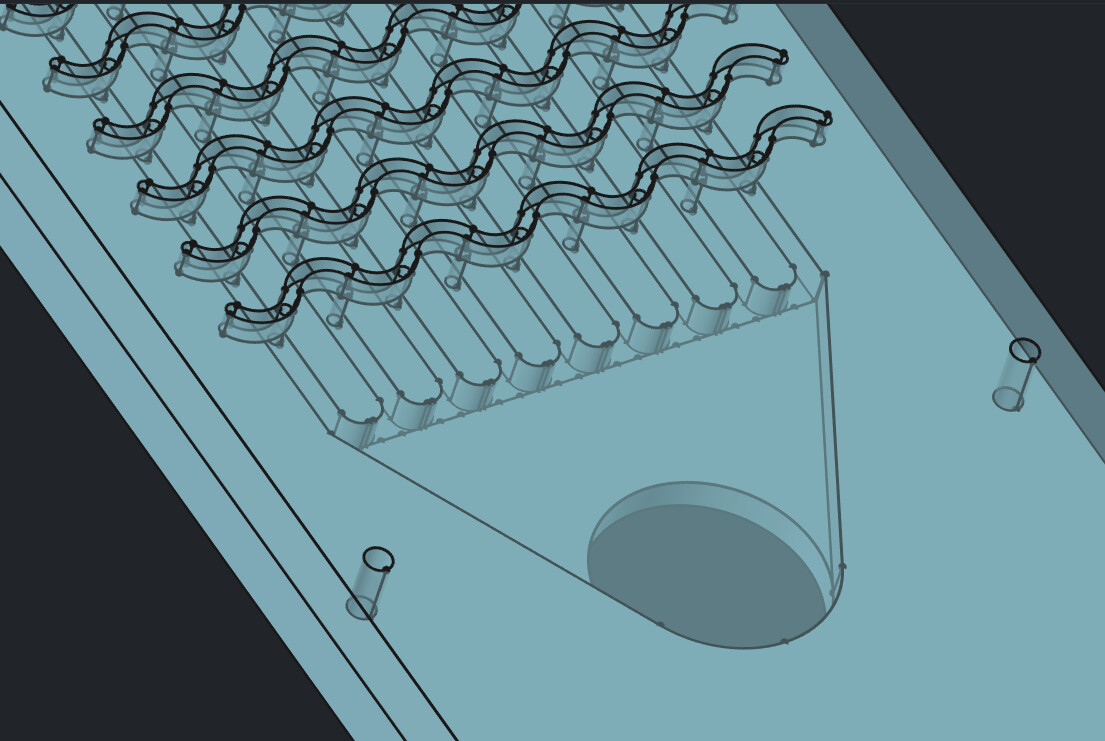
CAD and gcode generated in FreeCAD:
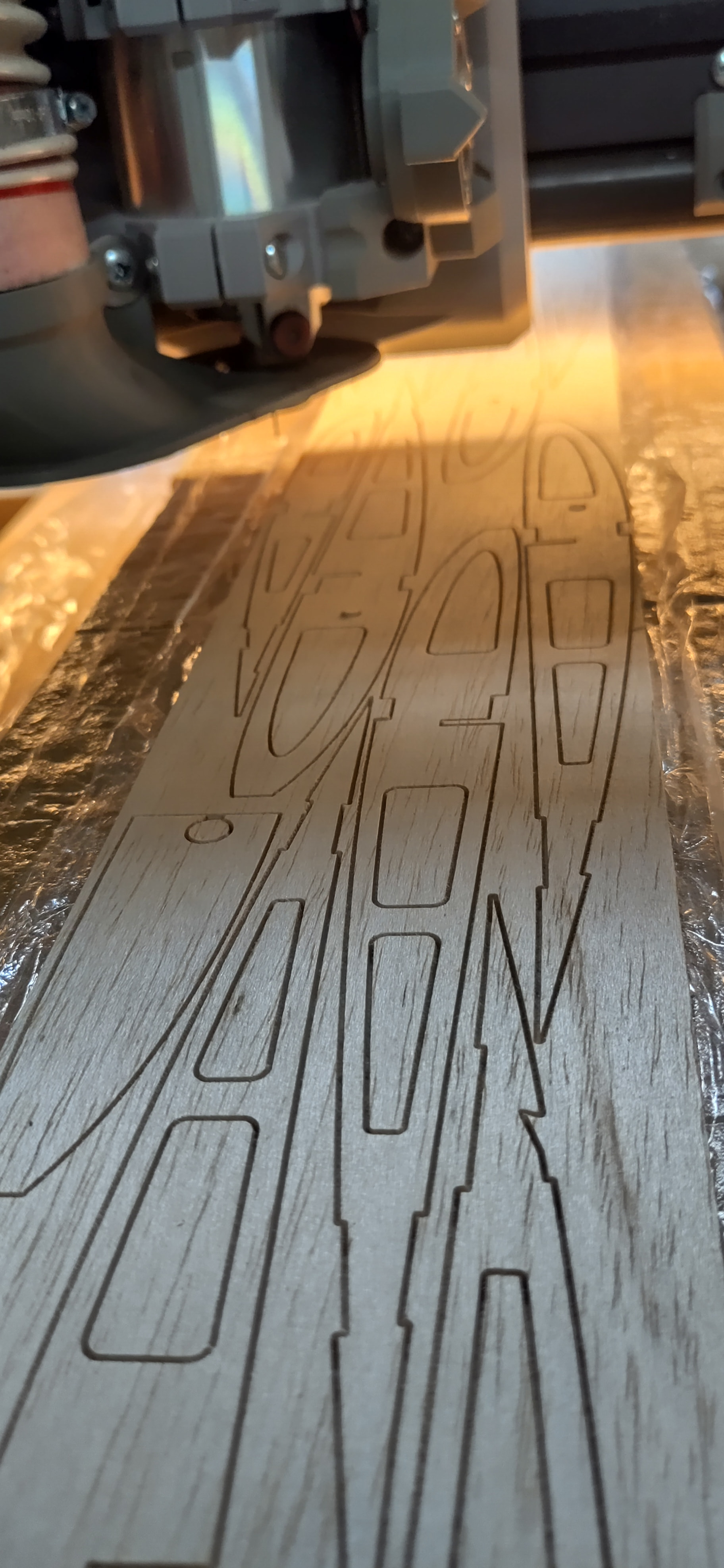
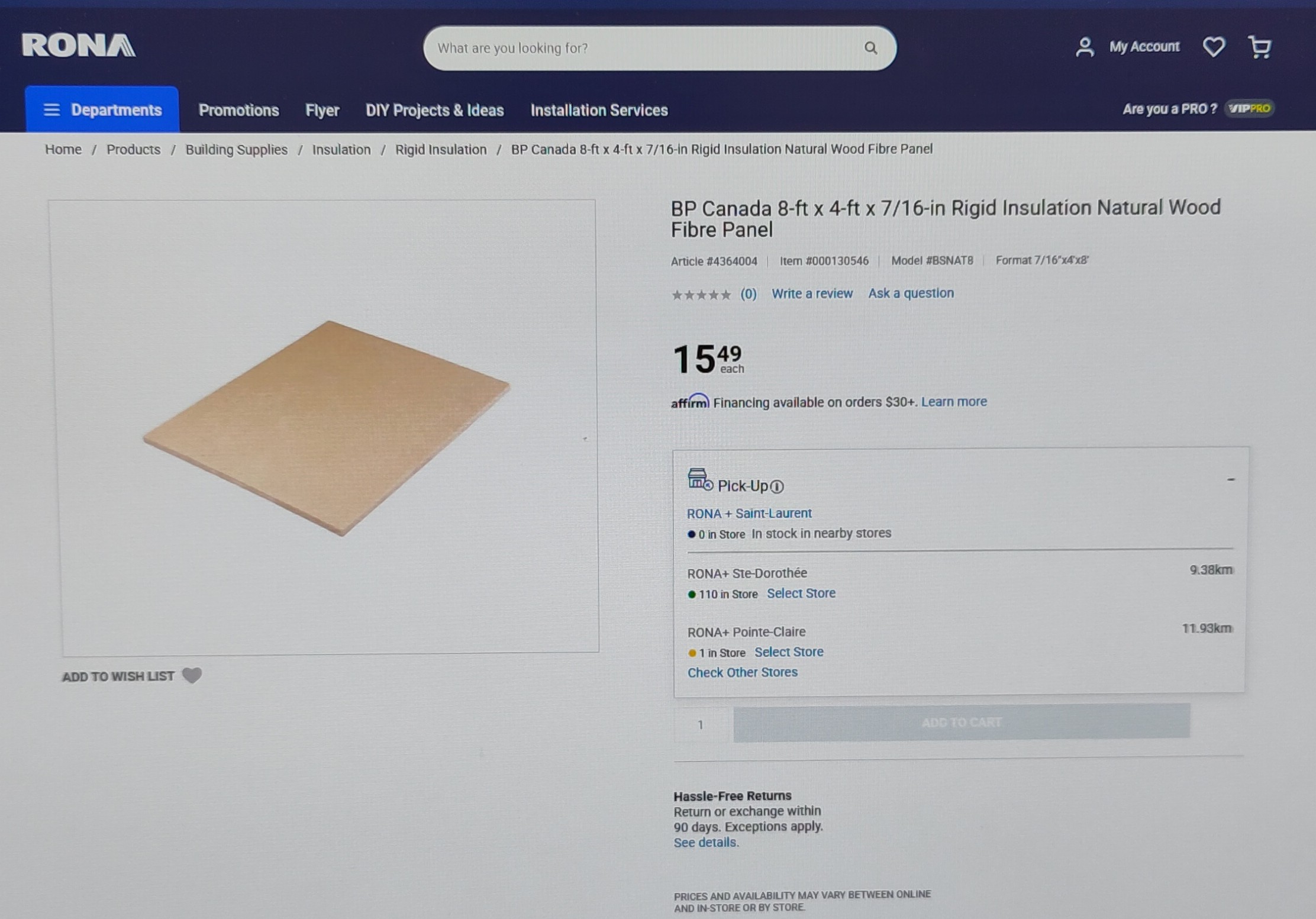
The spoilboard was discussed further up. It is pretty beaten by now. I think it can be surfaced, but haven’t tried yet. During cutting I covered the areas that are not covered by balsa boards to reduce air leakages (scrap pieces of paper, foil along the edges of the wood fibre board).
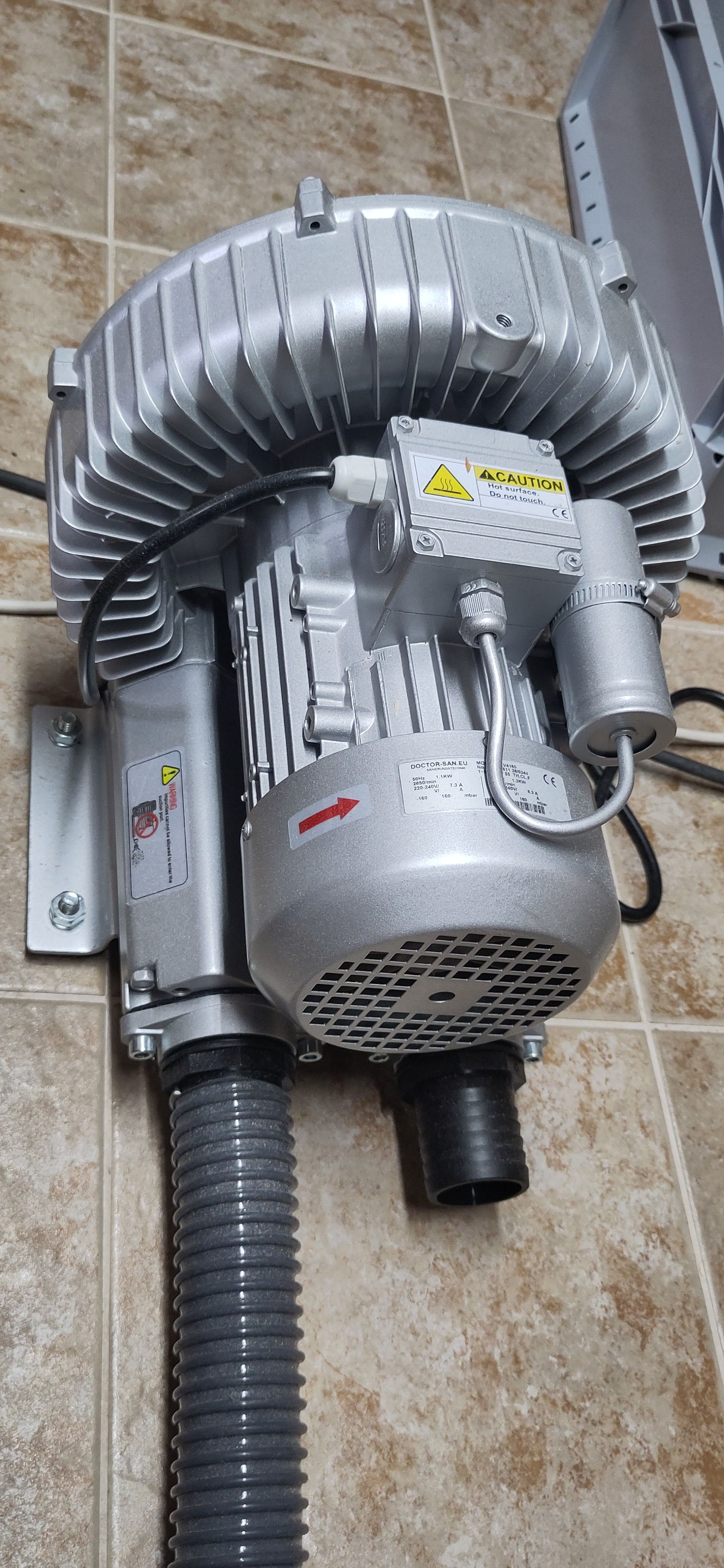
The side channel blower I’m using to suck the vacuum (1.1 kW). This has been a good investment (was using the vacuum cleaner before, but always felt sorry for the poor thing…)
Connection of the vacuum hose with a printed adaptor:
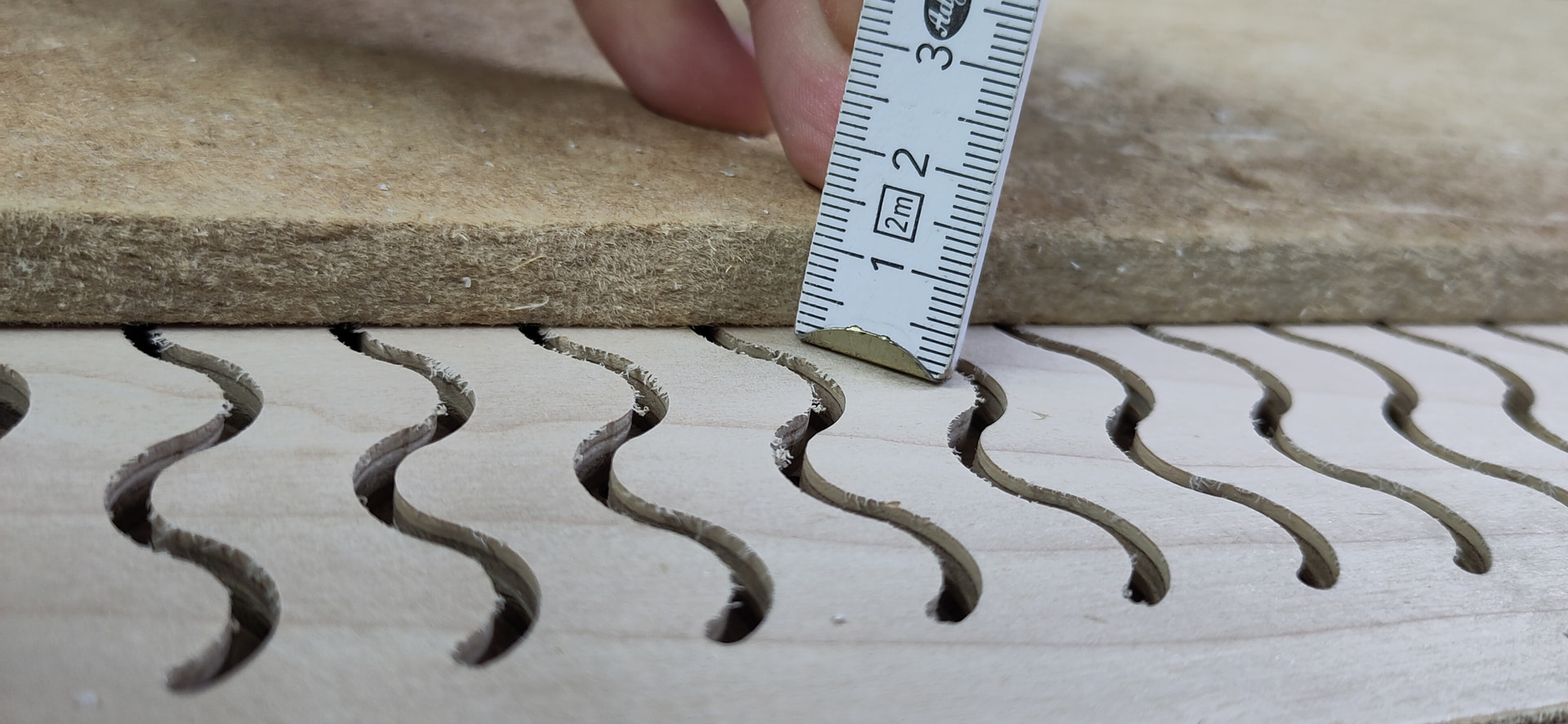
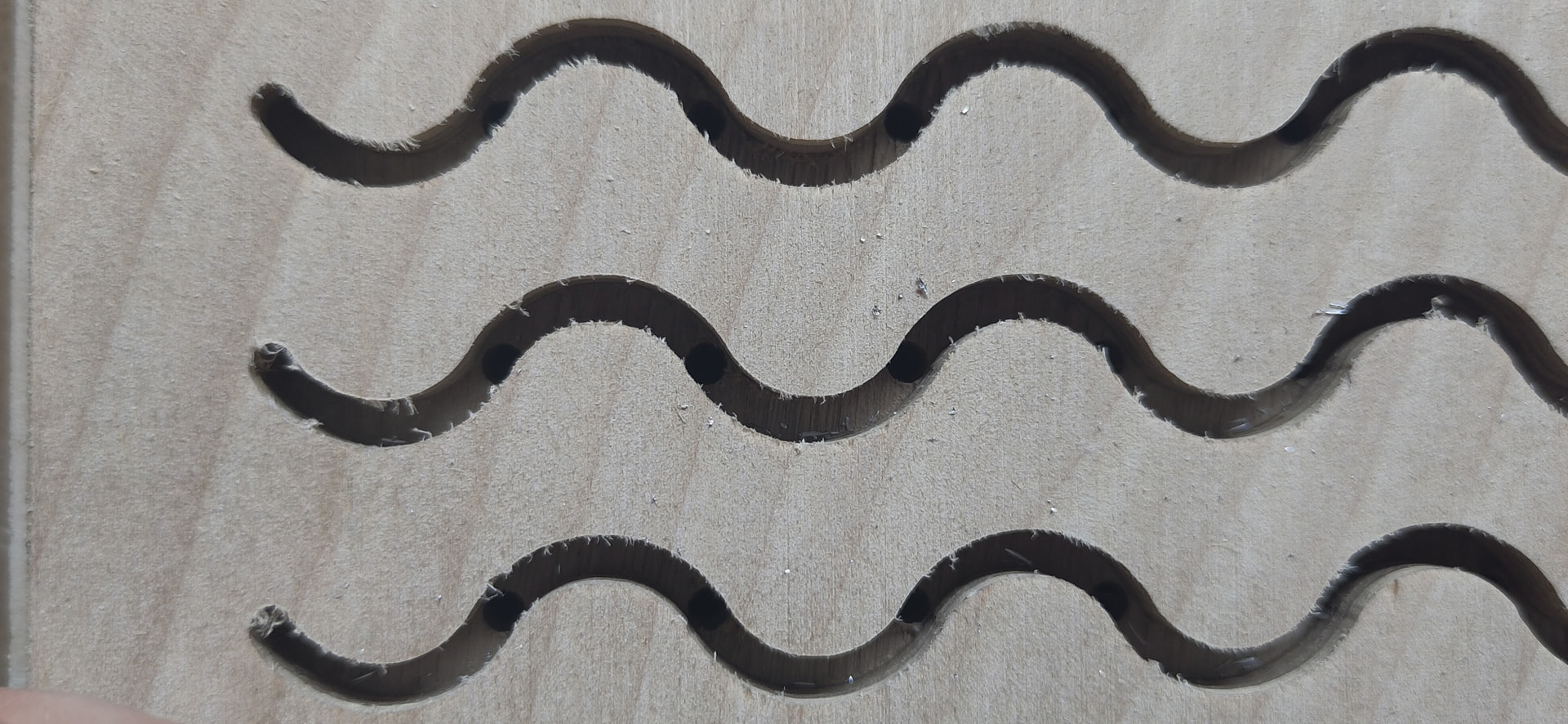
The snake-grooves. The idea was that the suction channel structure doesn’t transfer through the wood fibre plate as much as on a regular grid…probably overthinking:
I used a downcut bit from Sorotec for the cutting. It pushes the balsa dust down and helps reduce air leakages. Apart from balsa I also cut birch plywood with the same bit on the vacuum table - no problem.
Improvement suggestions:
Central suction from middle of the board to more evenly distribute the vacuum. Currently noteably higher suction at the hose connection side of the board. requires a hole in the LR table.
Increase cross section of longitudinal channels to more evenly distribute vacuum.
Have some kind of alignment along the board to put balsa boards against.
Maybe try a smaller tool diameter: 0.6…0.4 mm?
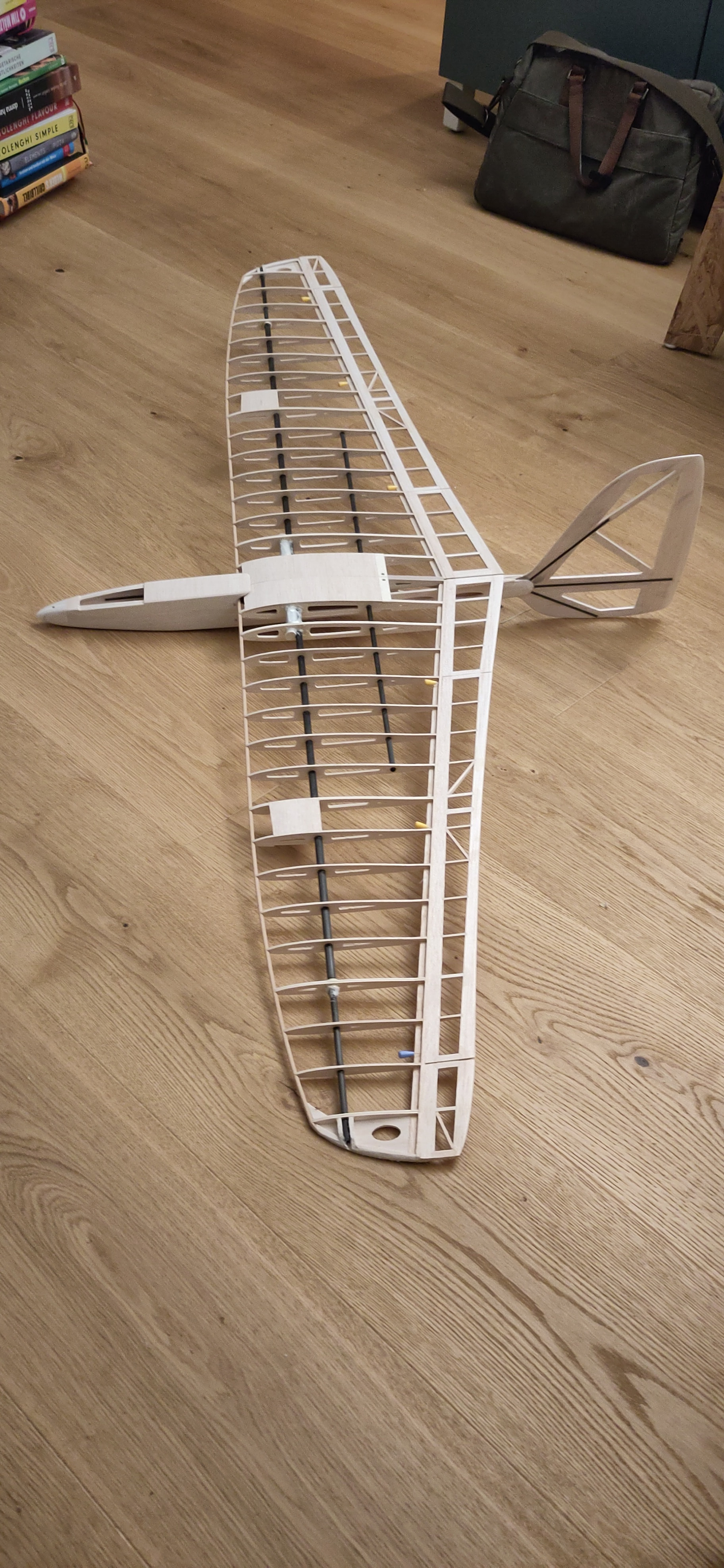
…do share some pictures of your Piper cutting progress.
Stefan