Anyone have a working Compass for sale? Or perhaps we should discuss how to organize to get parts made, to help others build their own?
I have a capable 3D printer and would be willing to sell a set of printed Compass parts at some point.
Anyone have a working Compass for sale? Or perhaps we should discuss how to organize to get parts made, to help others build their own?
I have a capable 3D printer and would be willing to sell a set of printed Compass parts at some point.
And to add, I specifically believe the base plate and getting the PCBs made are a major hurdle for most.
Yes, but it can’t be done centralised. There’s a reason why the kits don’t exist any more. 
That’s pretty slick. Do you mind explaining your process?
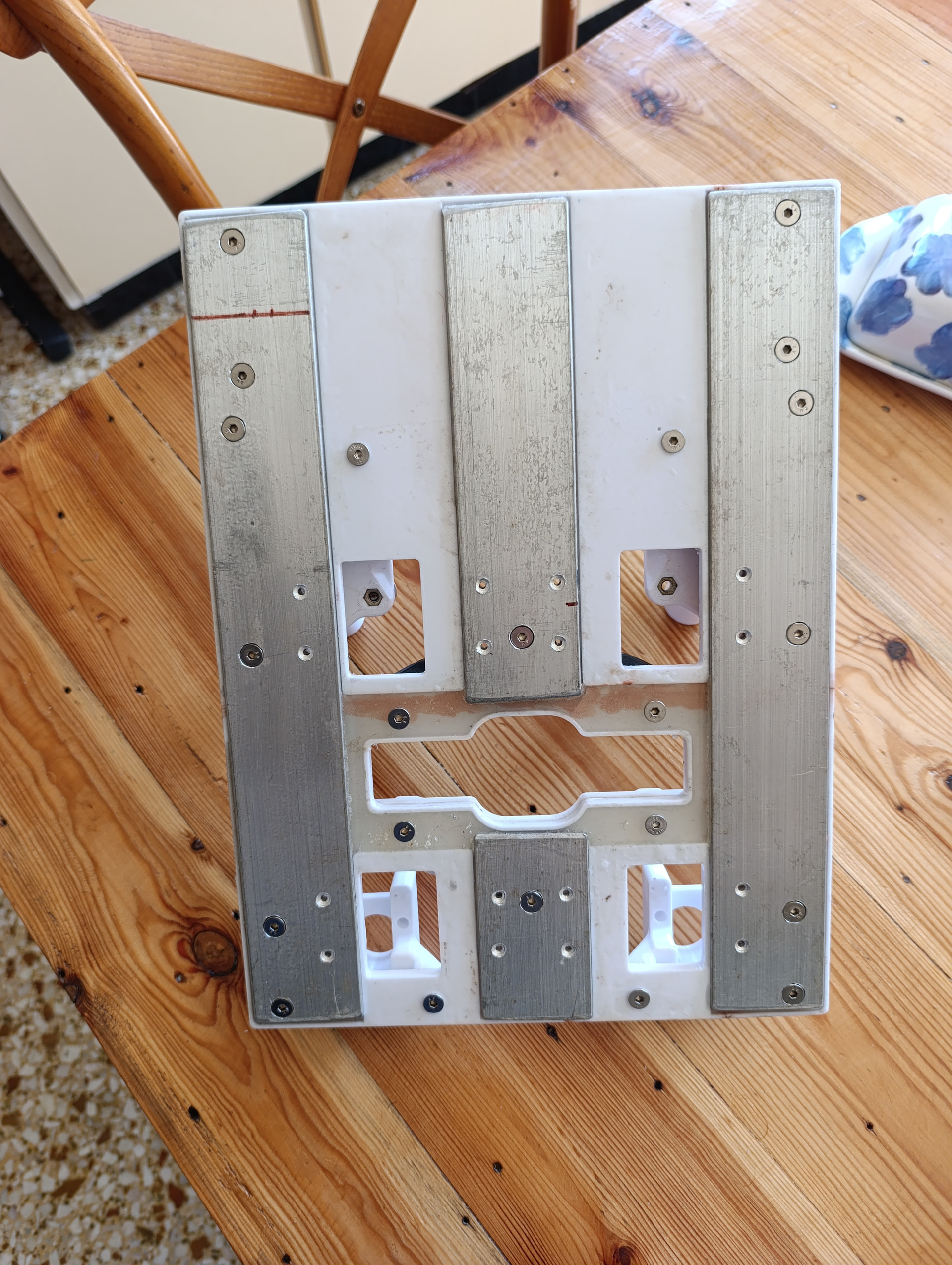
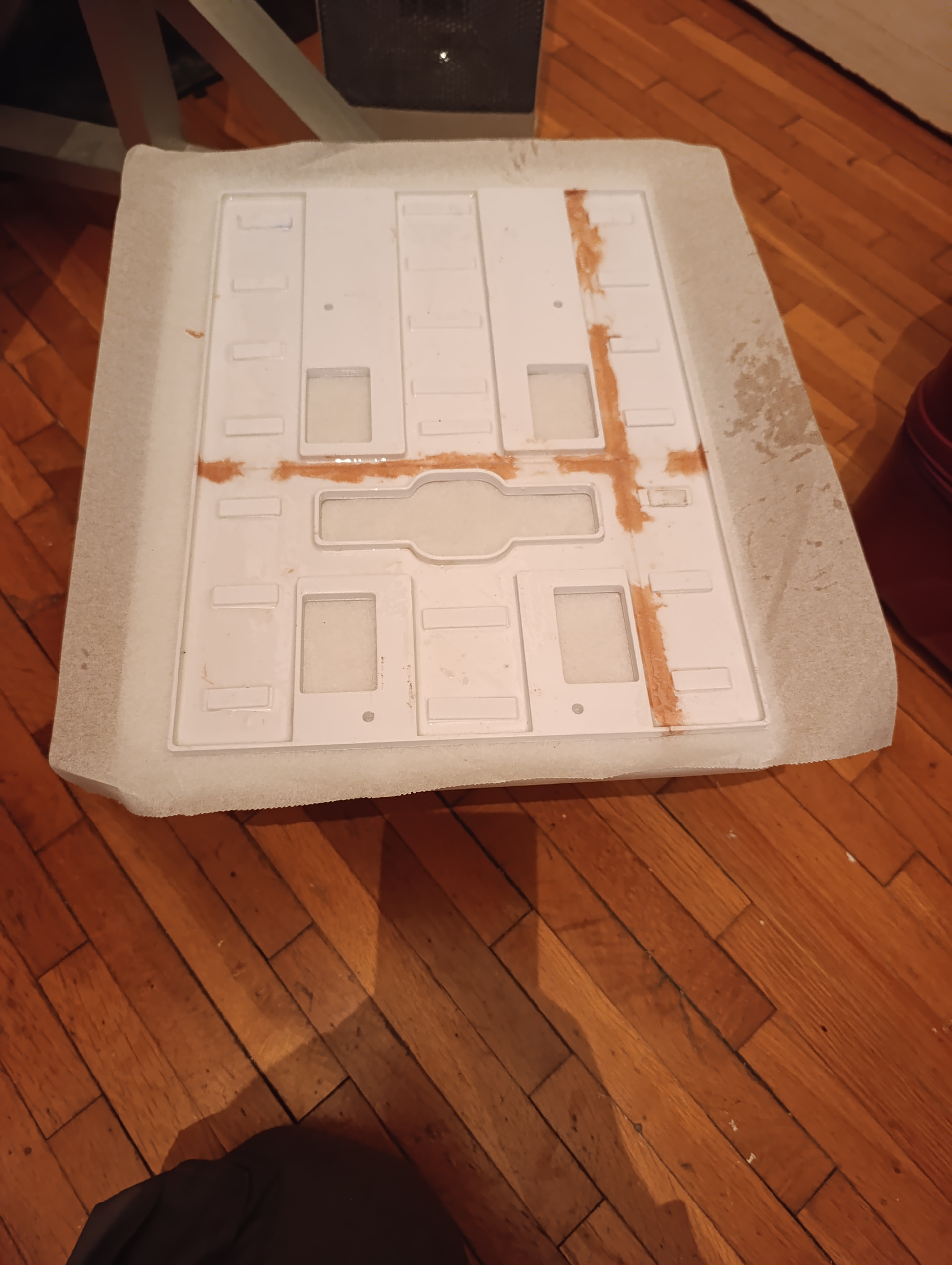
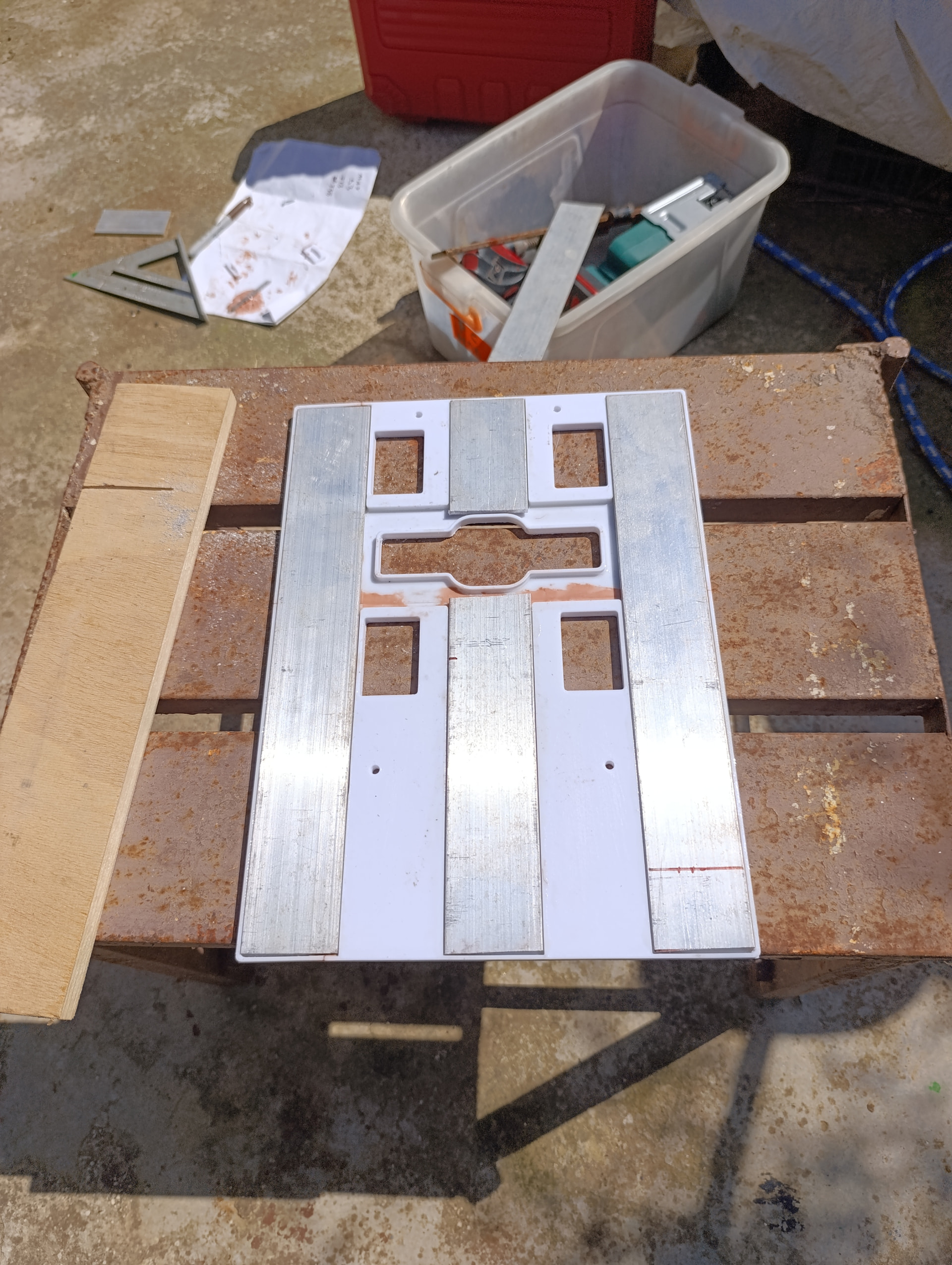
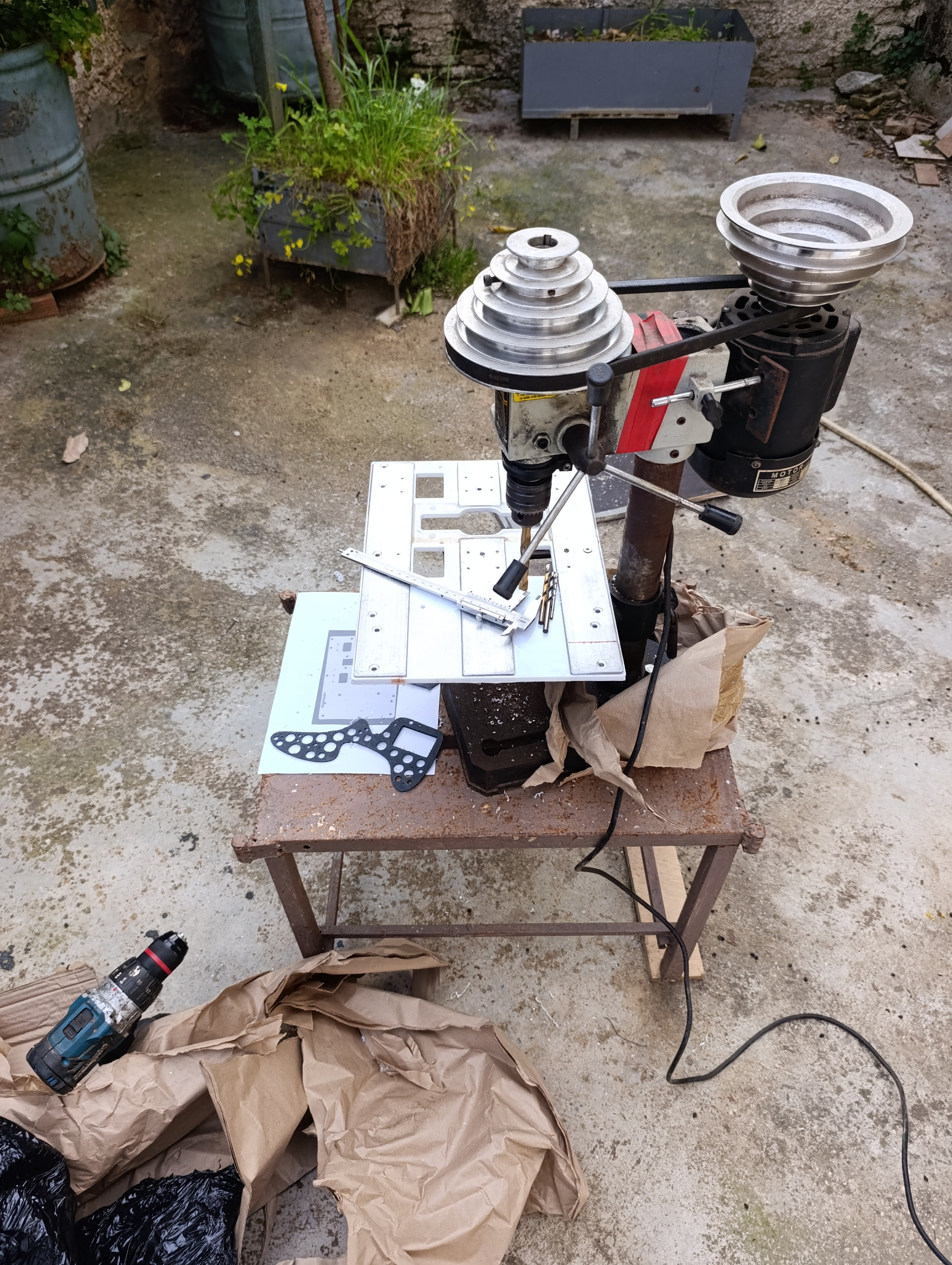
I 3d printed a mold. Because it didn’t fit my 3d printer I sliced in 4 parts. I aligned it with a drop of hot glue. In the mould the flatbar sits on 2mm poles. So epoxy can flow underneath later. Then I put a bit of epoxy putty on each pole. Then I put the flatbar in and turned the hole plate facing downwards on a float glass plate and put some pressure on it until the putty was hardened. Then I sealed the gaps, which came because I had to slice the mould, with epoxy putty. I sealed it from both sides. The putty you can still see on the picture it’s pink. After everything hardened I turned the whole plate with the flatbar facing upwards on my float glass plate. With a machinist level ( I think a normal one would also do it) I shimmed the float glass until level. Then I poured high viscose epoxy in the mold. The epoxy flowed under the flatbar. I let it harden for three days. I 3d printed drill guides which fit in the sensor openings. Then I drilled the holes.
Thanks for the overview. The part looks decently thick. Did you notice any issues with the printed mold softening with the exothermic reaction of the epoxy as it set?
No it was fine. Actually the outside temperature was a bit too cold when I poured it.(12c) So I warmed the epoxy to 20-25c in a water bath before I mixed it. But still the epoxy had higher viscosity then normal. It’s special epoxy with long curing times. It took 3-4h to have it in gummy like stage and maybe 10h to harden. The mold is maybe 4-5mm deep.
Plus I printed everything in petg which has higher temperatures. But I was nowhere near softening temperature anyway