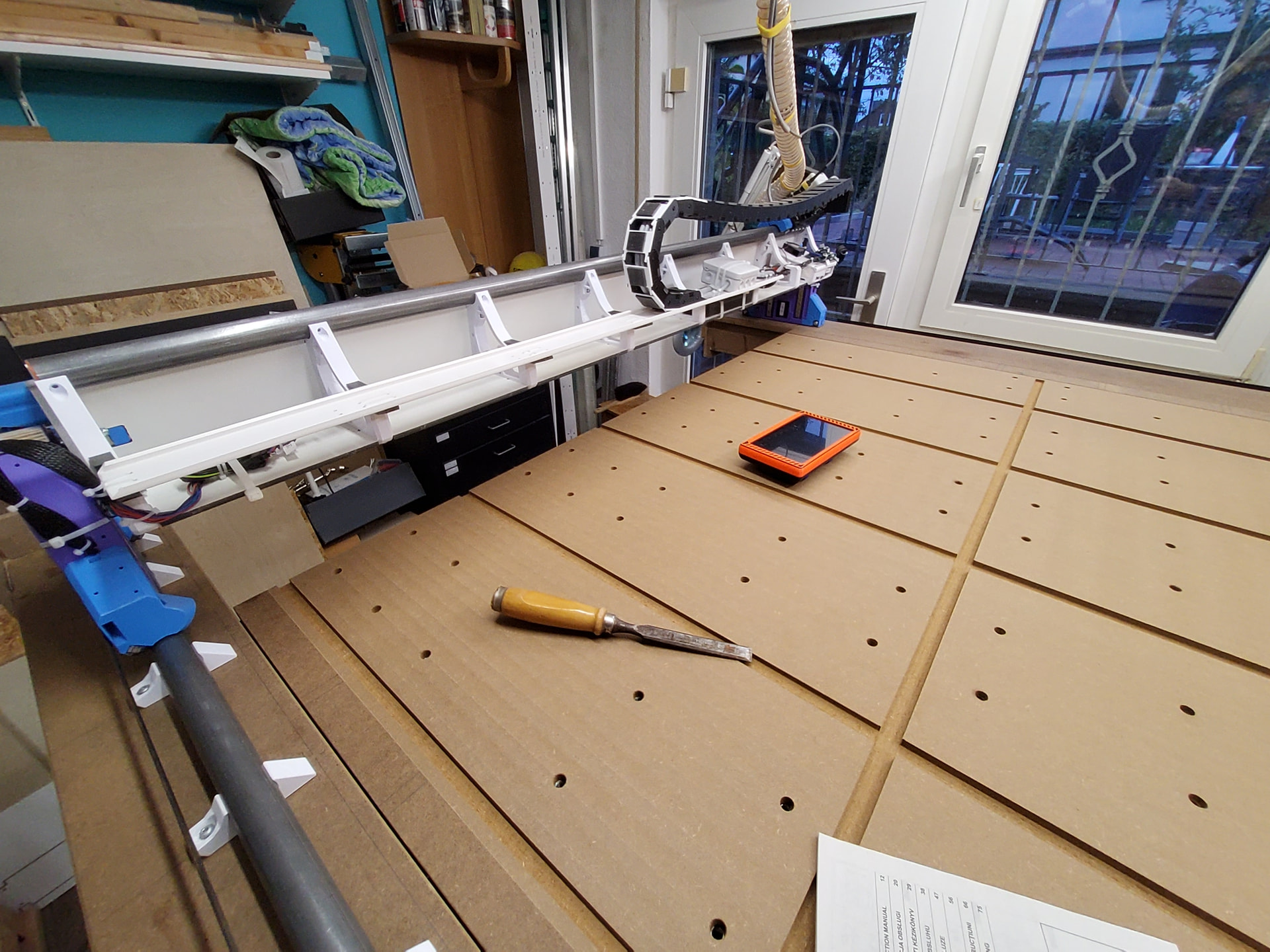
Hi guys (and girls)… After tramming the router to my best abilities I surfaced my new table, result was ok for me. But right the next job almost destroyed my table and made me stay away from the LR4 for some weeks now… I know, “be more frustration tolerant”, “there are no problems, just chances…” ; )
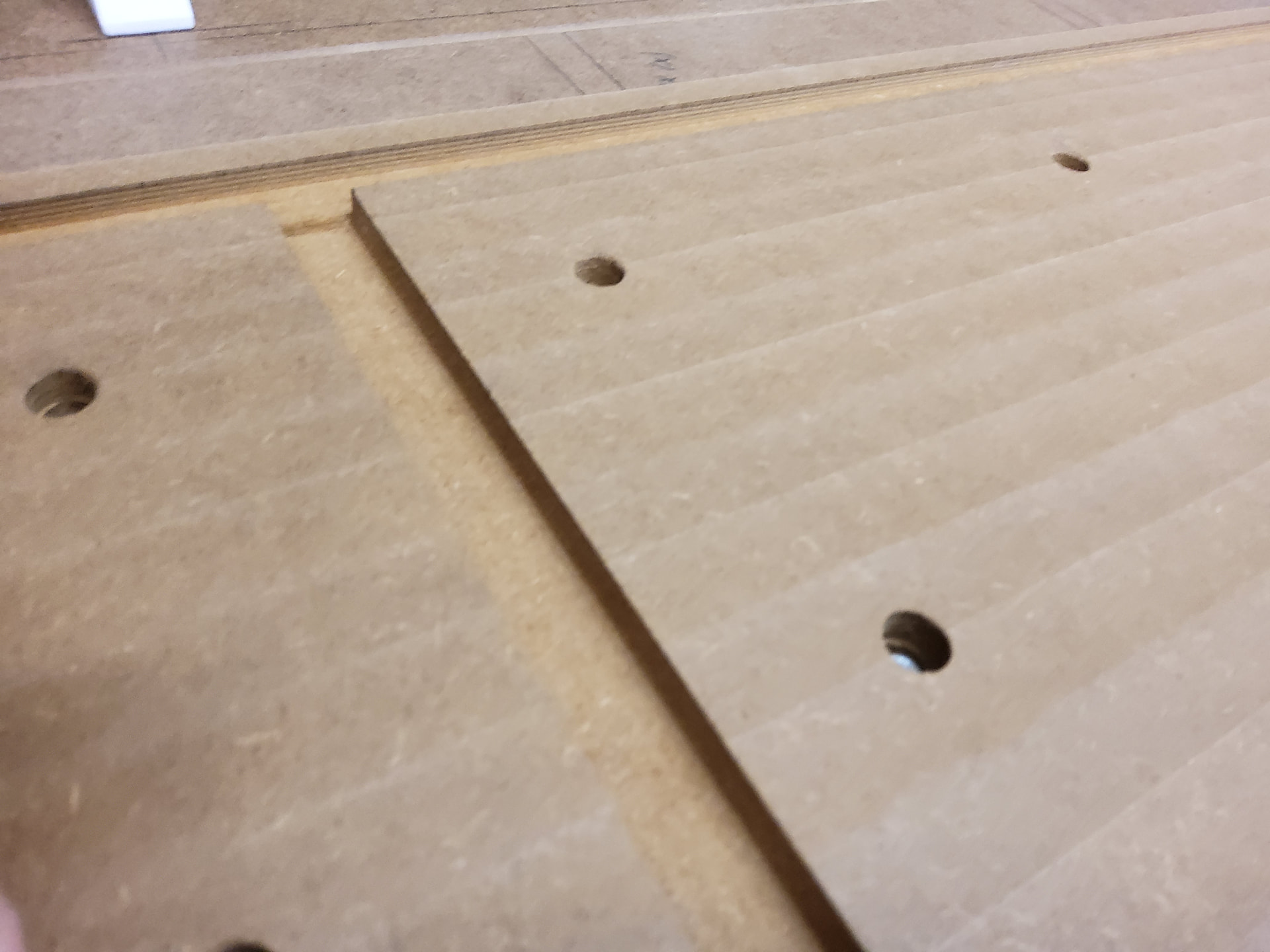
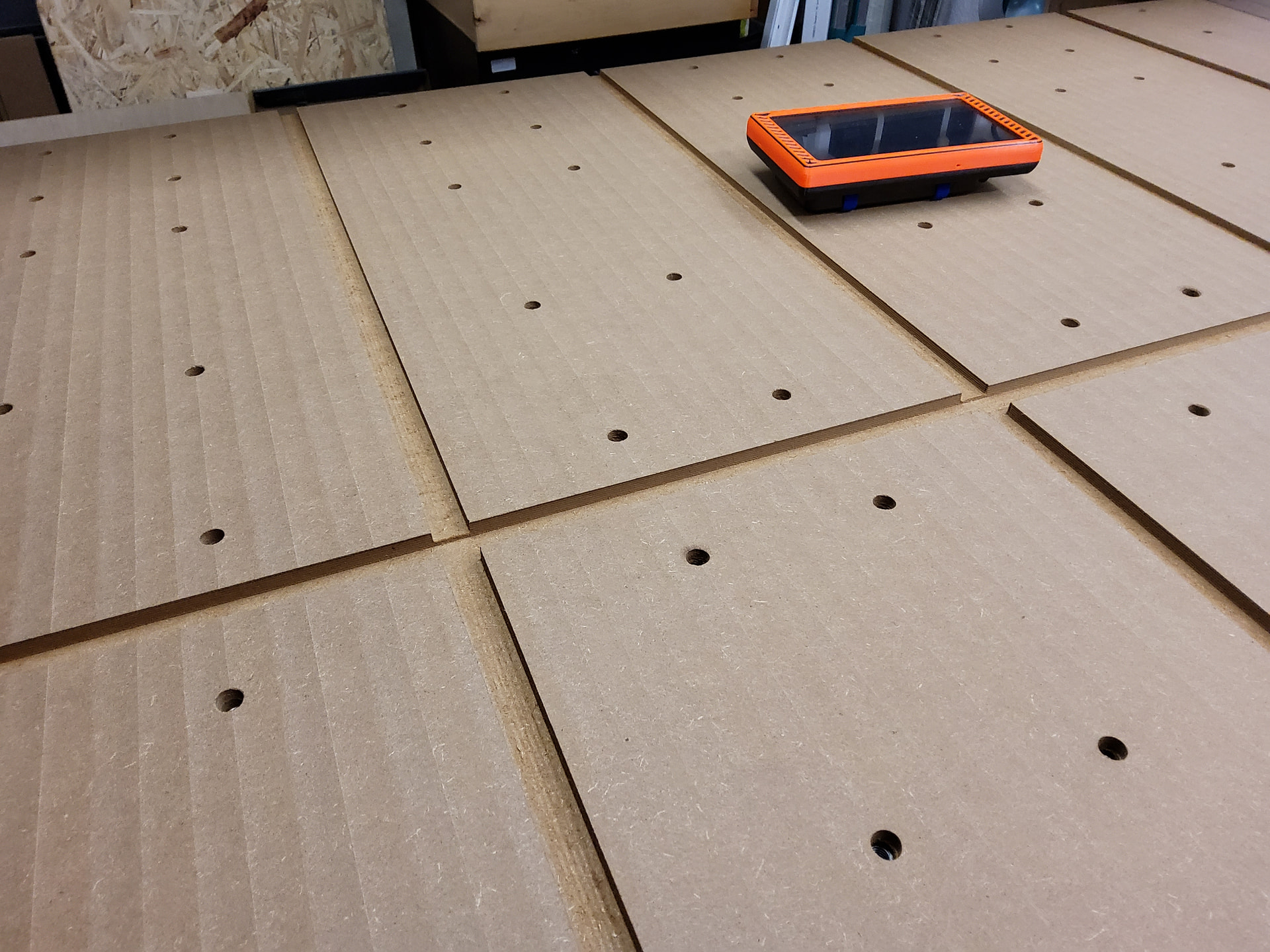
I tried to cut grooves for C shaped aluminium tracks… they should be around 5.5 mm deep, with a total height of the aluminium profile of 11 mm the idea was to have the spoil board parts being aligned between the tracks…
LR cut first groove (Y direction, front of table), then second and so on, but only when it cut the last groove (X min to X max) I saw that each groove of the first row was a few mm deeper than the last.
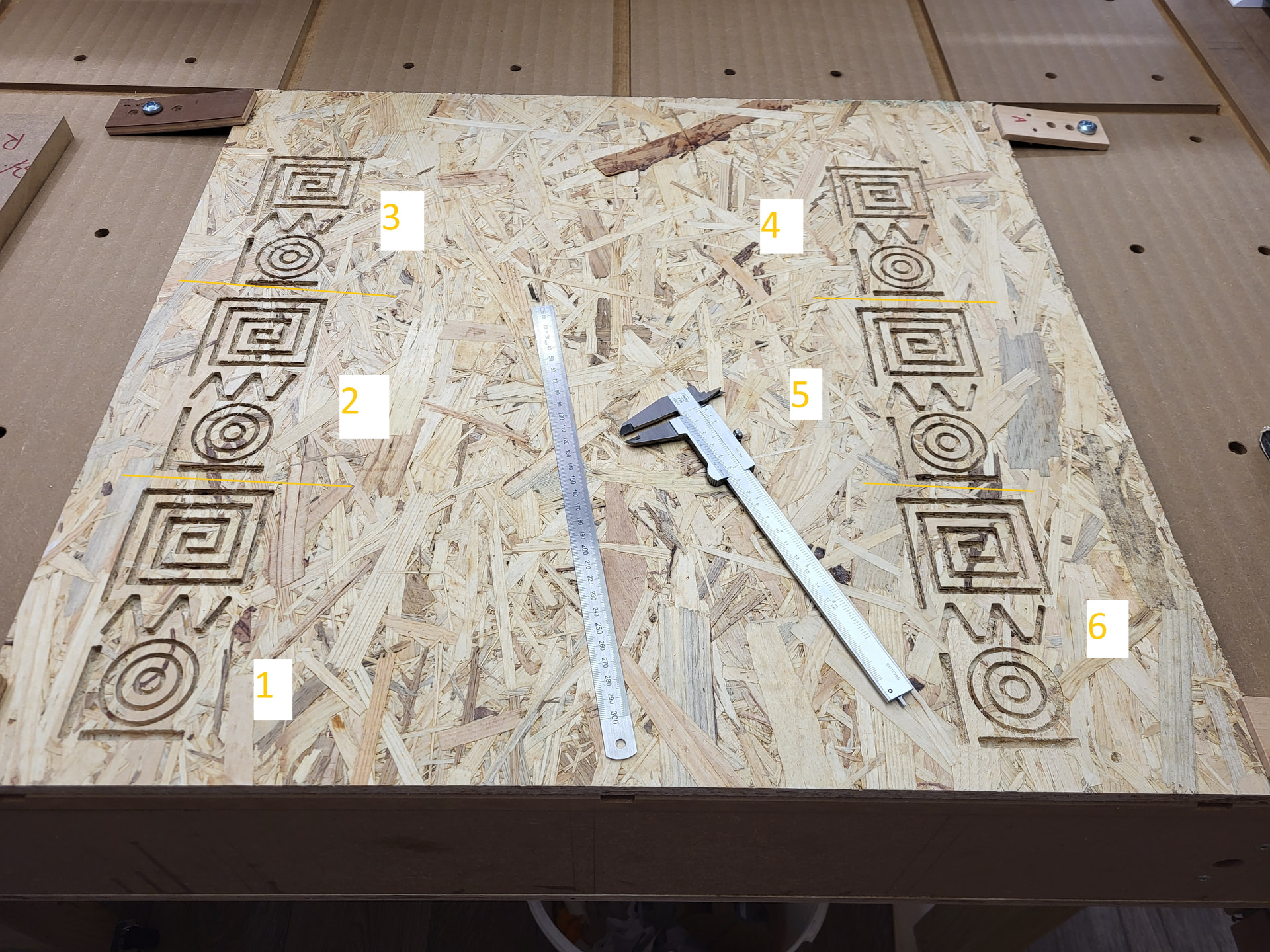
What could be the reason? I will show you some pictures plus the gcode file I used…
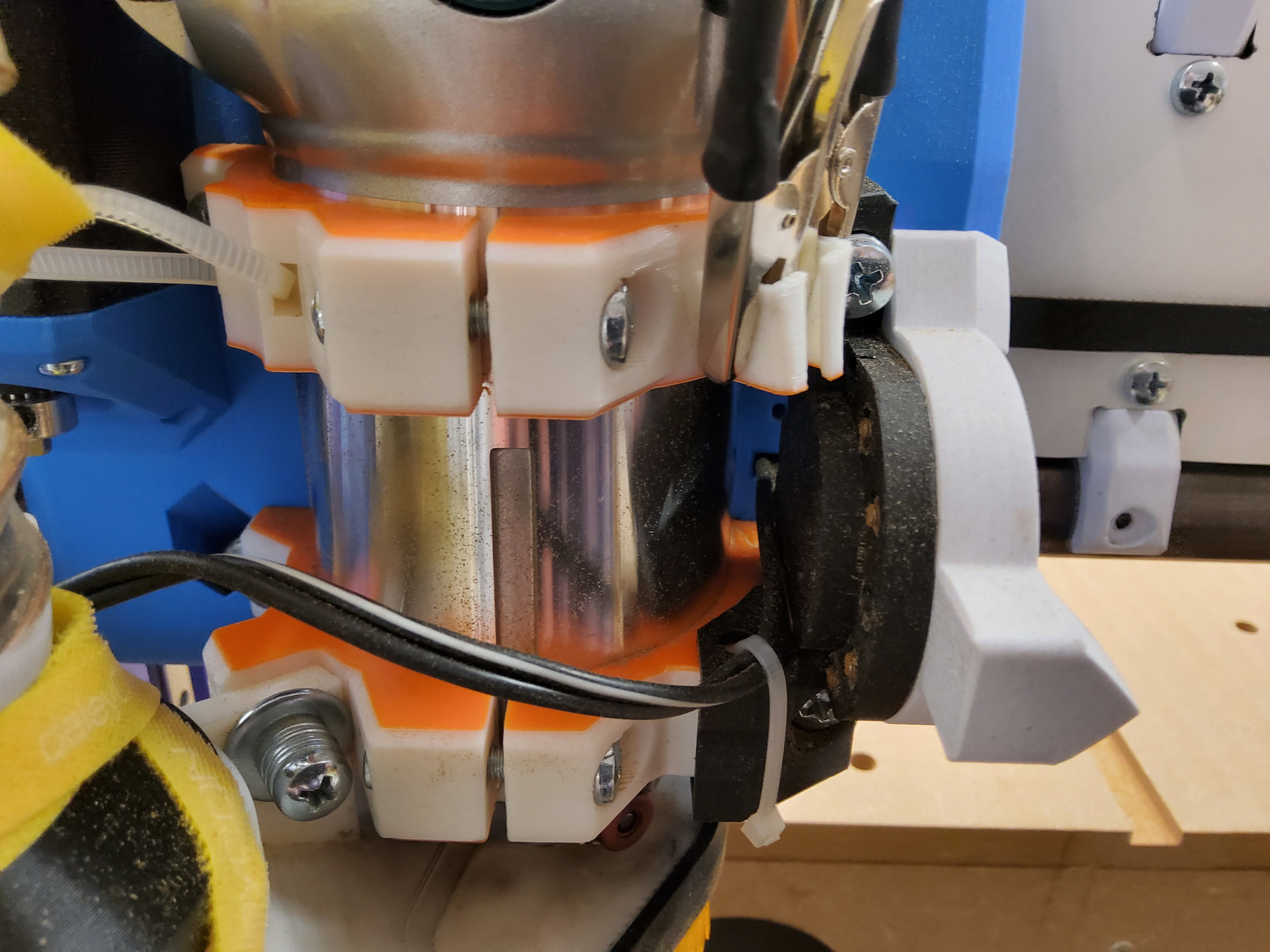
Possible reasons could be the Z stub screws, which where really loose, but I removed them for good now (not jet tested, tbh…). And sometimes the left side (xmin) of the LR makes some “knacking” sound when moving completely up or down.. Lead screws are greased, can easily be turned by hand without any blocking…
How do I check for loosing steps on the Z steppers?
The slipping endmill could be a reason… I will start milling a testpattern and measure the endlill length compared to the collet before and after plus the depths of the test grooves… Will report “soon” (taking my still slow worklow cad2cam into account)…
P.S: Danke für die Hilfe, Philipp… Oder längen sich die XZ-Platten vielleicht während des Fräsvorgangs? ; )
You can not really measure losing steps, but I had my inlays go deeper and deeper continuosly. Took me a while to figure out that the Z was basically losing steps. There are a looooot of Z movements for inlays though.
So I am staying at the endmill is getting too hot.
Well… I still don´t know. I thought about some test pattern with some nice direction changes (mild = circles and hard = 90° corners) and a lot Z movement… but this time it worked fine, the cutting depth is measured between 5.2mm and 5.4mm, with a set point of 5.0mm. But it is OSB/3 board, so exact measurement isnt tha easy. And it is not super flat and even, I guess… All steppers not even got more than hand warm, maybe 35°C with ambient temp at 23°C.
I did not think about touching the endmill before maybe 30s after end of job… it was cold. And it had the same length of 16.5mm , measured against the router collet.
Does this happen with LR4 (or DIY CNC in general): once-and-never-again-errors? Should i try again with MDF and identical feed an DOC settings like i used them for the groves on my table?
I will try again, upping the router speed from 4 (22,000 rpm) to 4,6 (around 25,000 rpm), and increasing the Z depth to 9mm (with 3mm DOC steps configured in ESTLCAM). Lets see…
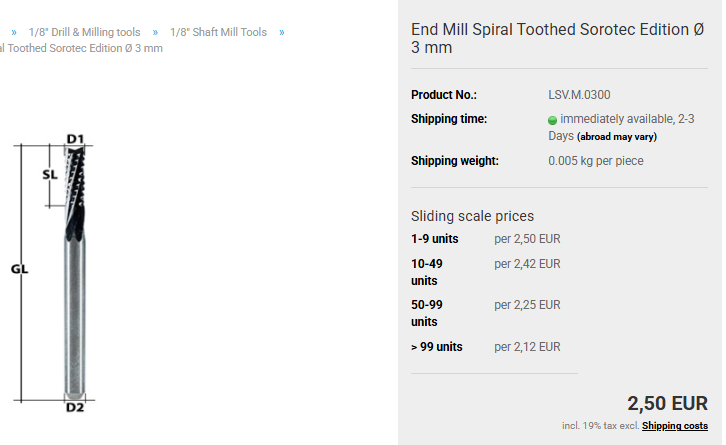
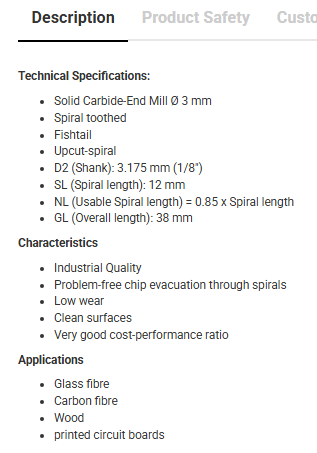
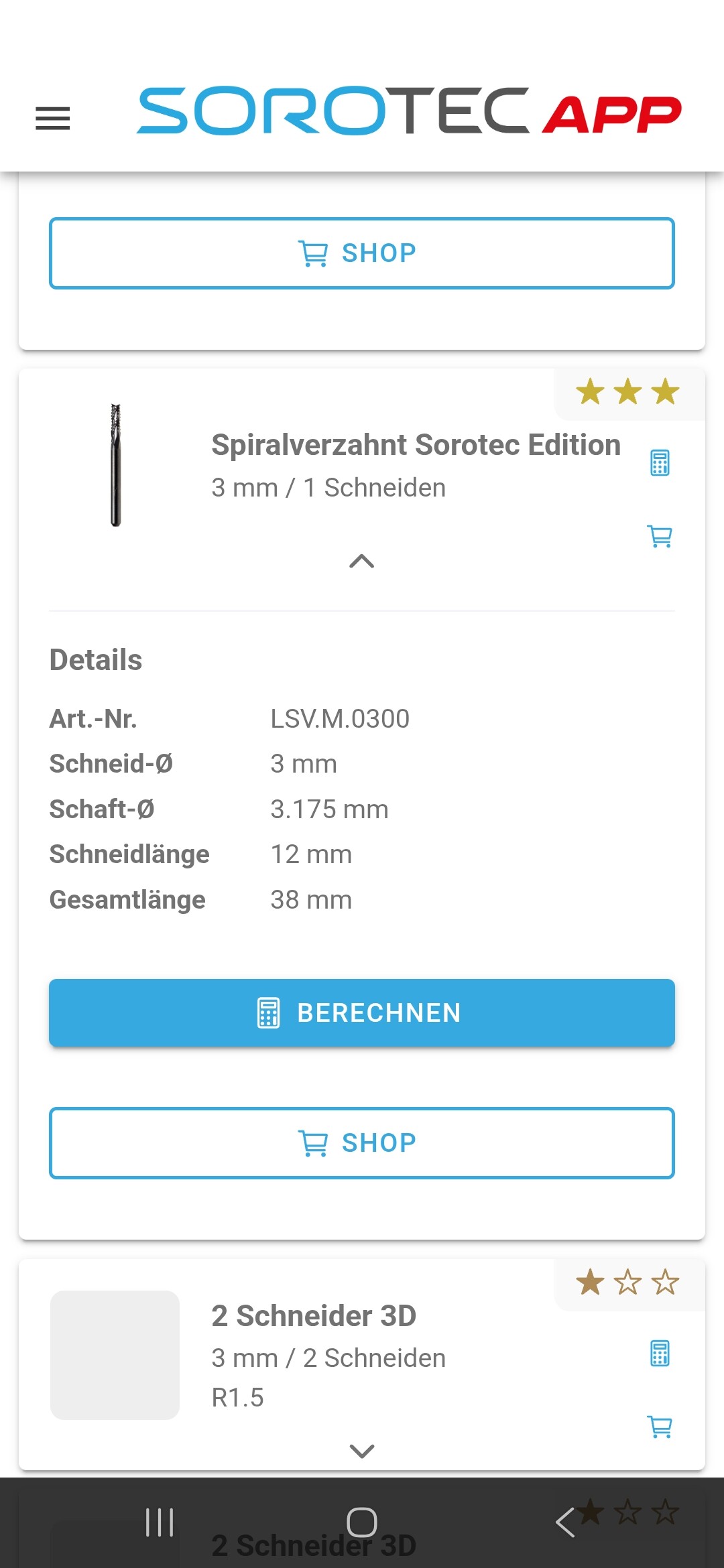
One difference though to the milling of the table grooves: I now have the endmill maybe 3-4mm deeper inside the collet (to be exact: ist the original 6mm Maikta collet with a adapter to 3.175mm). Endmill is a Sorotec LSV.M.0300.
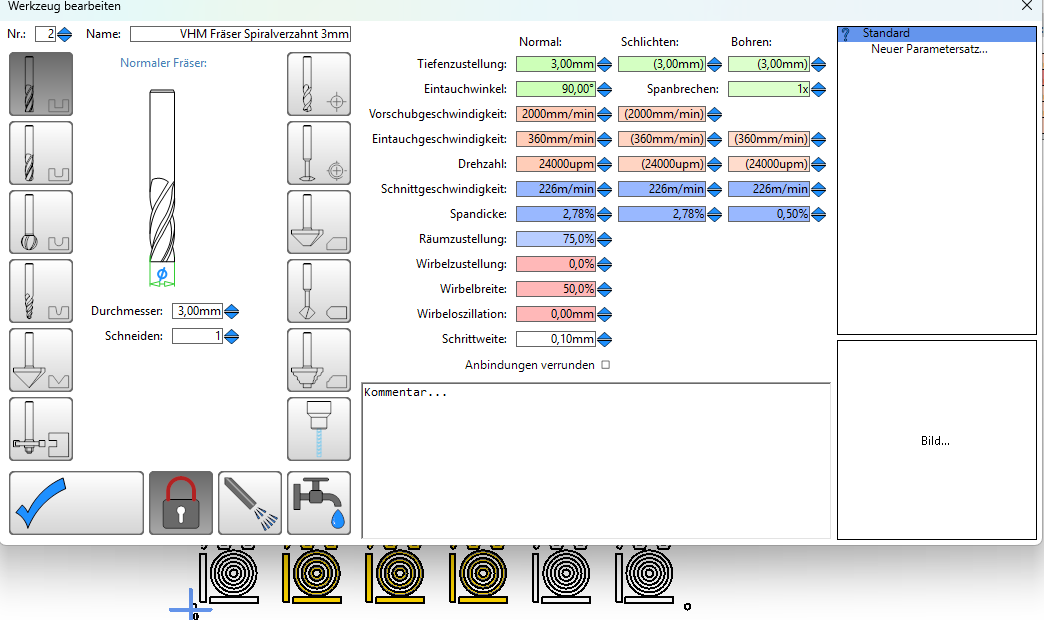
That’s too many RPM if you are not going 2500mm/min or so with a 3mm endmill, or using a 6mm you’d nearly need 6000mm/min cutting speed with a 2-flute.
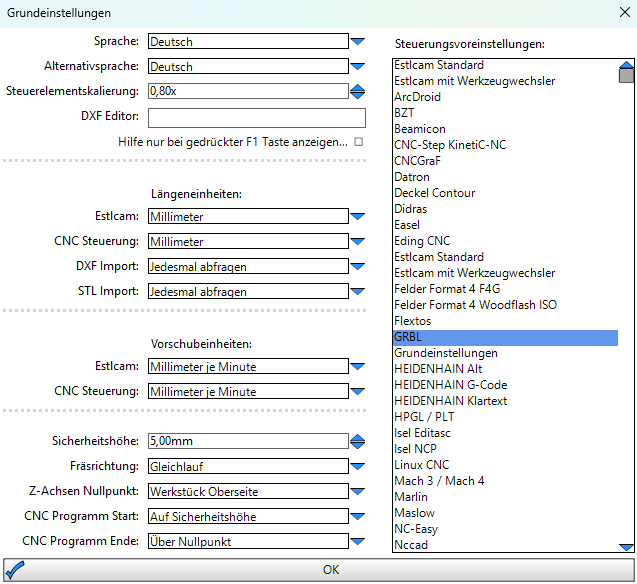
I am counting 7 spirals around the endmill, so ist should be 7 tooth for ESTLCAM, I guess…?! Still need to learn a lot, obviously…
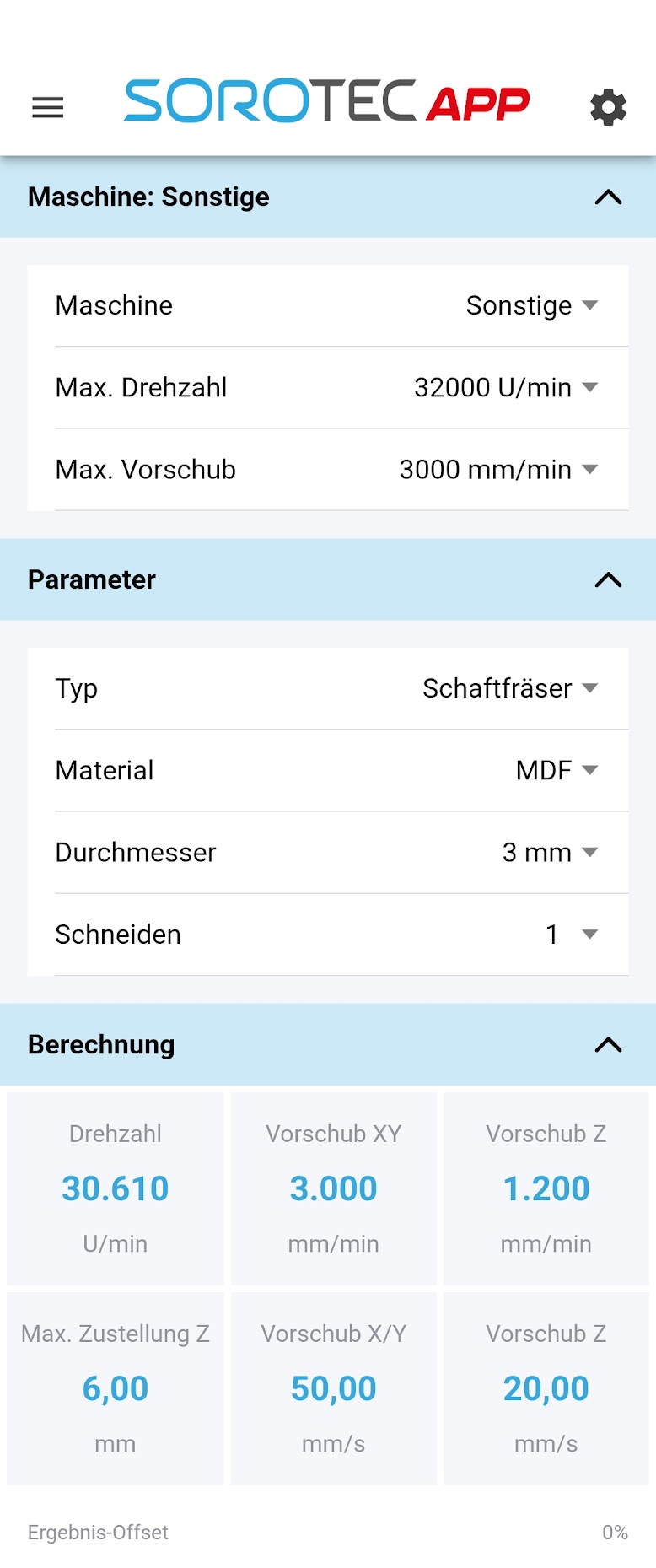
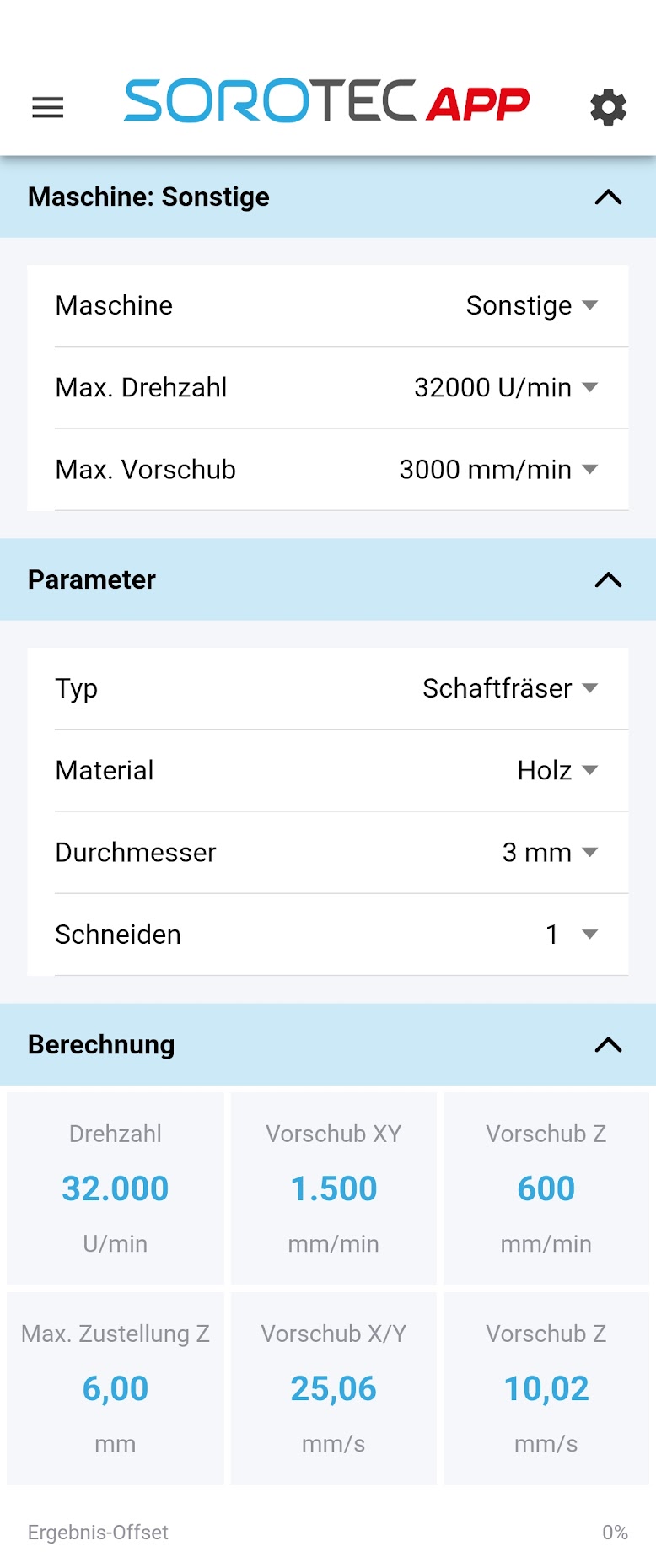
But… SOROTEC has an android app…where I could find that endmill… and it says “1 Schneide(n)” (1 cutting edge)… And for wood (one can choose between woord, hard wood, MDF) it tells me to go with 1500 mm/min @ 32000 rpm
What are good and proven feed rate calculation apps or websites?
Did you managed to figure out what was your issue? I started having kind of the same problem today. I havent check yet though if the grub screws are loose
Philipp is leading down the right path. Only thing I will add is be very careful when using collet adapters. Most are not worth the time.
When you are using them you have to be sure to seat the bit fully in the adapter. Always clean the collet and bit,and the barrel.
You can check the seating of the bit by simply sliding the bit into the adapter. The bit needs to go through the adapter,anything less will not properly clamp, which can lead to runout and or bit sliding in collet
It´s Saturday again, and I found time to test my Lowrider… I have changed all motor run amps to 1.2 A, but did not feel comfortable with that in the long run. I could still touch them, but they felt warmer than a “warm handshake”, so I reduced the current to 0.9 A.
Netxt thing I changed is the collet adapter, I bought a direct 1/8" collet from Philipp, but thats not tested yet. I bought a Makita 8mm collet, to use my 8mm shaft router bits for cutting the groves into my MDF table top. My thinking was, that the 8mm diameter wolfram carbide cutter without a spiral has no tendency to move up or down inside the collet. Plus I cut away part of the dust shoe to allow using two open-end wrenches.
All that together did the trick, I could cut the groves for the complete table with the same z depth. Only small mistake at th beginning, when I tried to X and Y probe the grove side from my previous attempt, to continue from there… Have to figure out more how the zero point in ESTLCAM works together with the probing sideways and the tool diameter (was off by tool radius in X direction and cut into the table, but only 1 mm deep…
Now I have to clean the groves before glewing and screwing the aluminium c tracks into them.. MDF in the middle layers of the board is very fluffy, not easy to get a smooth surface…